



Bronzed Figure Clock
A bronzed figure clock brings together sculptural presence and timekeeping, combining cast figures with marble and ormolu mounts.
Bronzed Figure Clock
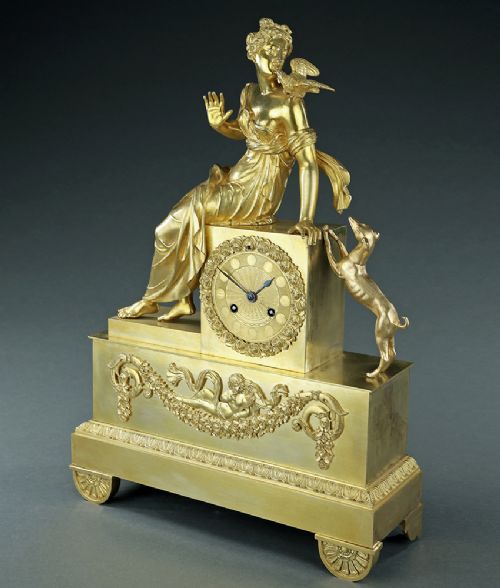
When searching for a bronzed figure clock, buyers encounter timepieces dominated by sculptural human or mythological subjects mounted upon architectural bases. These objects merge the precision of nineteenth-century horology with decorative bronze casting.
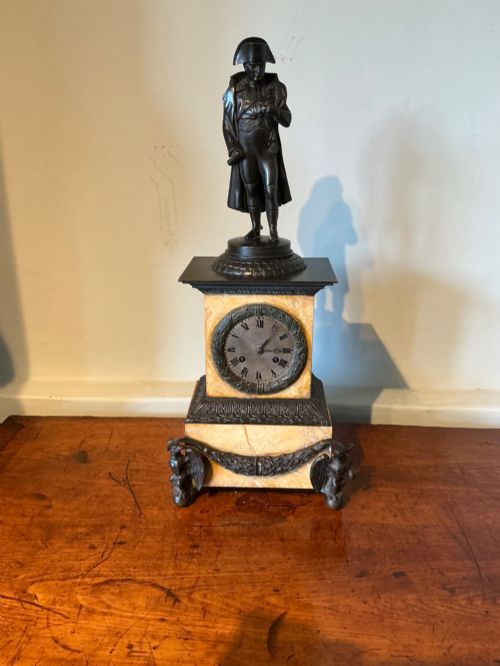
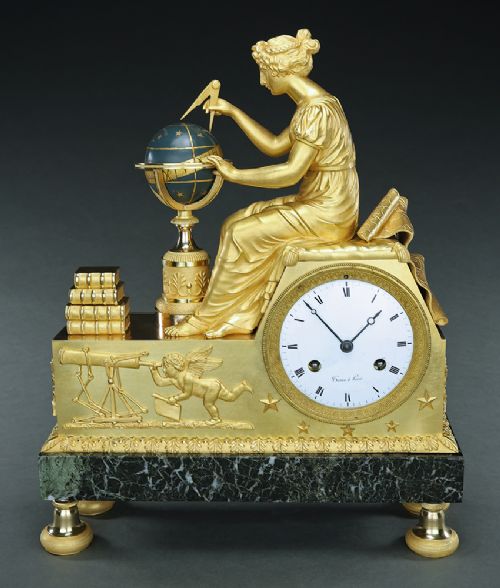
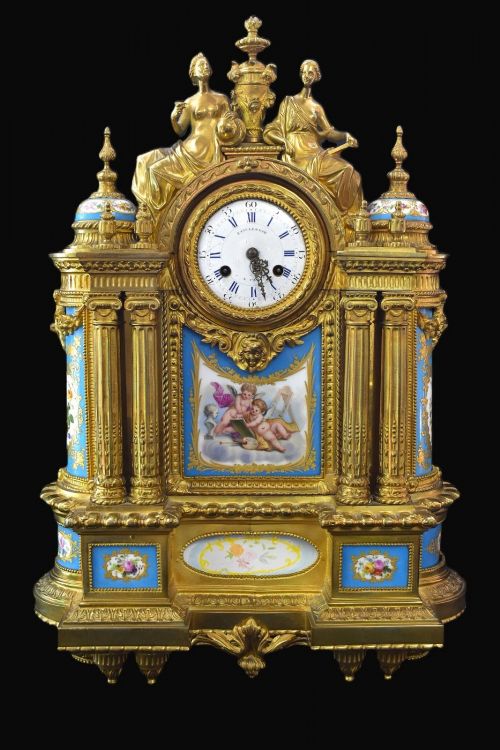
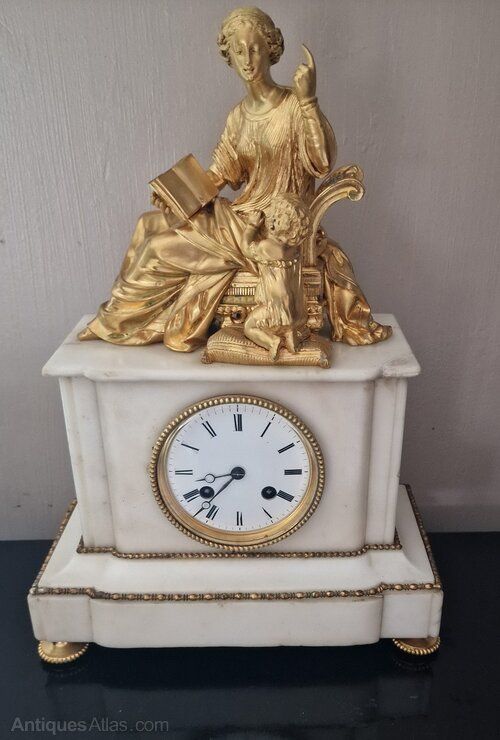
The version most commonly met on this page is the French mantel clock from the nineteenth century, featuring patinated figures set against marble or gilded ormolu. These works often adopt neoclassical, empire, or rococo revival styles.
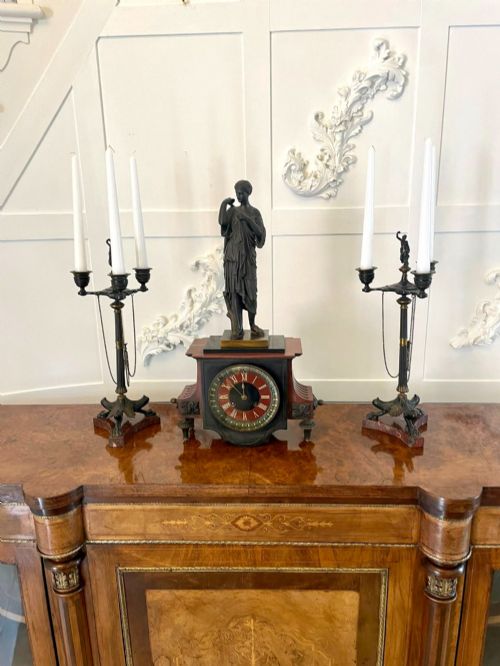
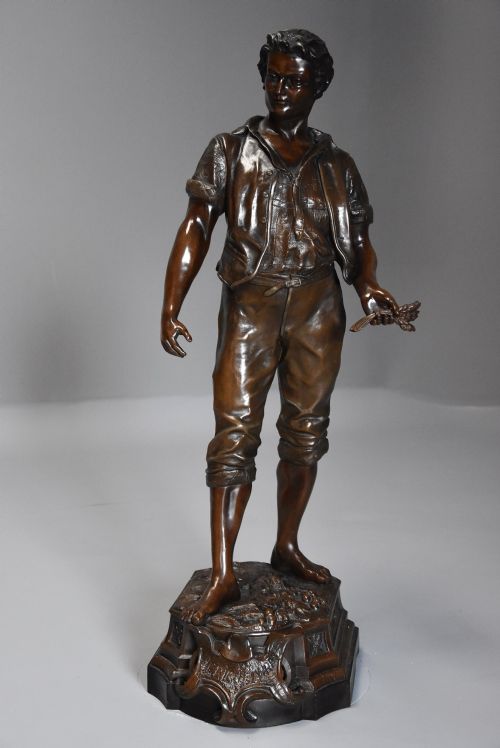
Beyond standard mantel clocks, the selection includes garniture sets accompanied by matching side ornaments and occasional wall or longcase formats. Figures range from allegorical representations such as Love and Fidelity to historical or labouring subjects.
Materials and construction methods
Bases incorporated heavy stones such as rouge marble to provide stability for the substantial weight of the movement and bronze superstructure. Enamel dials, frequently fitted with delicate hands, were integrated into the cast bronze housings alongside eight-day striking movements.
Bronzed Figure Clock Retail Price Guide 2026
Typical asking prices for bronzed figure clock among the pieces listed under this phrase on Sellingantiques today, from the lower quarter to the upper quarter. They describe what is for sale here now, not the wider market.
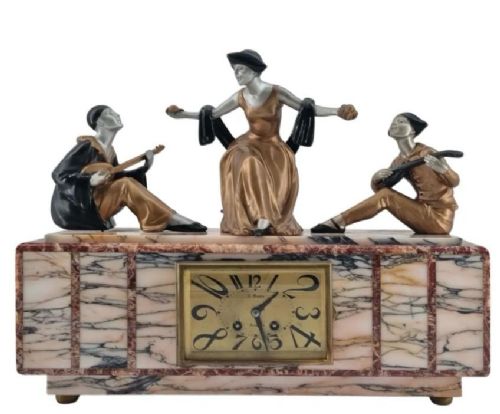
Among the figures keeping watch over the hours, Diana the Hunter shares room with Pierrot and Columbine.
Distinctions in quality and execution
Quality rests upon the crispness of the bronze chasing and the depth of the metal patination, where superior examples exhibit sharp musculature and refined surface textures. Weaker pieces display softer casting lines and shallower hand-finishing on the secondary elements.
The integration between the sculptural figure and the architectural base separates standard production from exceptional works. Finer items feature balanced proportions, heavy marble plinths, and movements signed by established Parisian makers rather than generic mechanisms.
F. Milliot·Etienne Lenoir·Charpentier Paris·Lemerle Charpentier·Phillipe H. Mourey·Deniere Et Fils·Japy Freres
The Bronzed Figure Clock Glossary
- Garniture set
- A mantel clock accompanied by matching side pieces such as urns or candelabra. These sets were designed to create a symmetrical arrangement on a fireplace mantel.
- Ormolu
- Gilded bronze produced by applying an amalgam of gold and mercury to a bronze base and heating it. This technique yielded a bright golden finish characteristic of French decorative arts.
- Patinated bronze
- Bronze treated with chemical solutions to produce a dark brown, green, or black surface colour. This finish highlights sculptural contours by creating contrast with gilded mounts.
- Movement
- The mechanical inner workings of a clock driven by springs or weights. Nineteenth-century examples often utilised eight-day striking mechanisms.
- Cartel clock
- A wall-mounted clock enclosed in an ornate frame made of gilt bronze or carved wood. These pieces were popular in rococo and neoclassical interiors.
Bronzed Figure Clock: Frequently Asked Questions
What is a bronzed figure clock?
A bronzed figure clock is a decorative timepiece featuring a cast metal or patinated figure integrated into the case design. These pieces combine sculptural art with functional clock movements.
Most examples originate from nineteenth-century French workshops, placing classical, allegorical, or genre figures upon marble and ormolu bases.
How do you wind an antique clock?
Antique clocks are typically wound using a dedicated key inserted into winding holes on the enamel dial. Turning the key tensions the internal mainsprings that drive the timekeeping and striking trains.
Care must be taken not to overwind the mechanism, stopping as soon as resistance is felt.
Where were these clocks made?
The majority of these clocks were manufactured in France, particularly in Paris workshops and factories during the nineteenth century. Parisian bronze-founders and horologists collaborated to produce the combined movement and cast mounts.
Export markets across Europe and Britain acquired these high-status decorative objects for domestic interiors.
How do I care for marble and bronze?
Maintenance involves dusting surfaces regularly with a soft, dry cloth to prevent the accumulation of grit in crevices and chased details. Chemical polishes must be avoided on patinated bronze and ormolu to protect the original metallic finishes.
Marble bases benefit from occasional gentle cleaning with a damp cloth followed by immediate drying.