







Bronze Showcase
These bronze showcase pieces are French display cabinets and vitrines that house precious objects safely behind glass.
Bronze Showcase
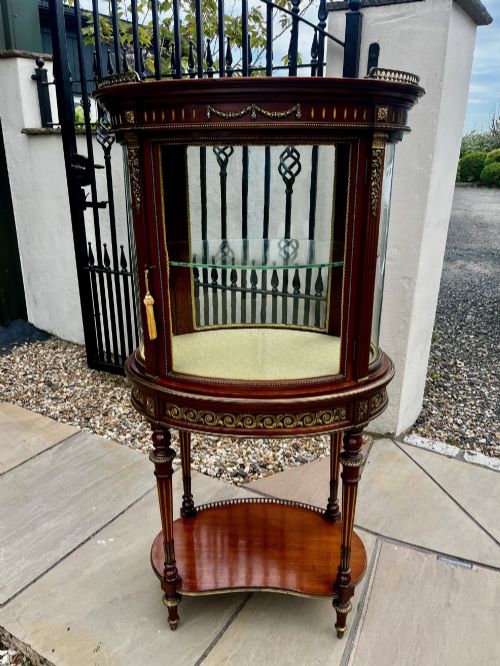
A bronze showcase is typically encountered on this page as a French vitrine, display cabinet, or bijouterie table dating from the nineteenth century. These pieces serve to exhibit objects securely while adding a decorative presence to a room.
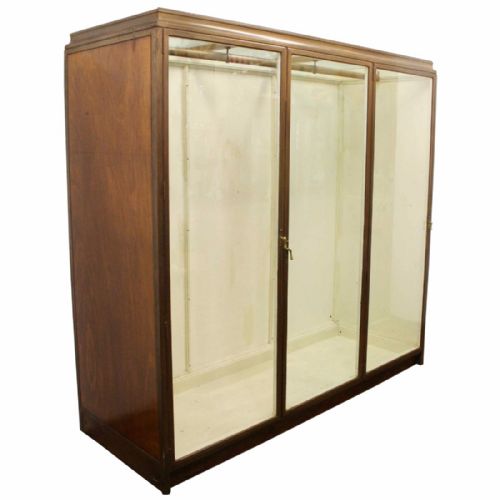
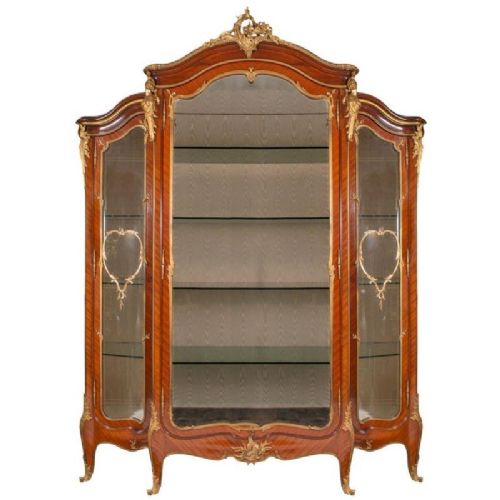
The selection here encompasses various revival styles, predominantly French Louis XV and Louis XVI, alongside Napoleon III designs. Cabinets range from table-top vitrines to large three-door display cases.
Many of these examples integrate glazed panels with fitted shelving or velvet-lined interiors designed specifically for the presentation of porcelain, small antiques, and curiosities.
Materials and construction
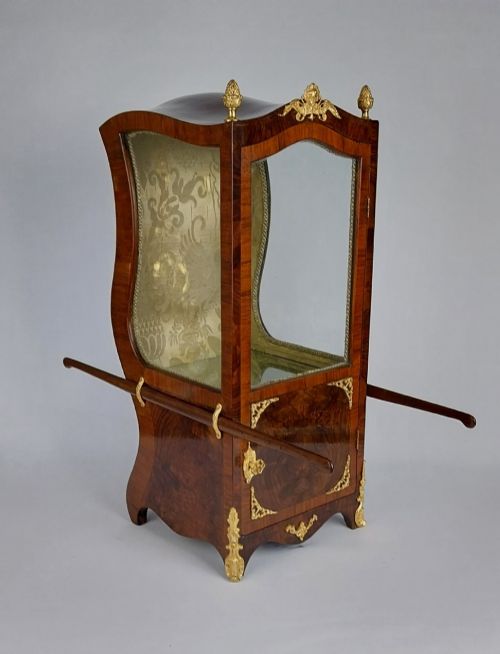
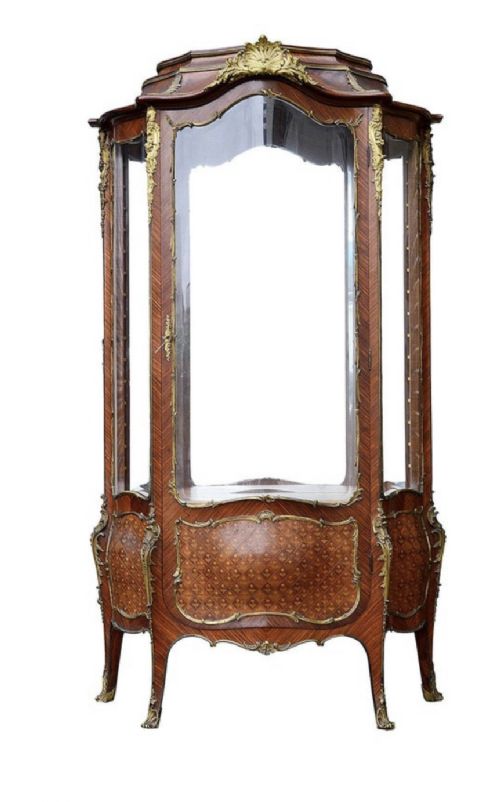
Makers utilised timber carcases constructed from mahogany, walnut, kingwood, and rosewood, often serving as a foundation for decorative veneers. Ormolu and gilt-metal mounts are applied extensively to frame glass panels and accentuate structural corners.
Glass is utilised for doors and side panels to maximise visibility, while interior surfaces frequently incorporate fabric, velvet, or porcelain plaques. Marble tops appear on specific cabinet forms to provide a durable and polished upper surface.
Bronze Showcase Retail Price Guide 2026
Typical asking prices for bronze showcase among the pieces listed under this phrase on Sellingantiques today, from the lower quarter to the upper quarter. They describe what is for sale here now, not the wider market.
Some cabinets double as wardrobes, proving that eighteenth-century priorities could shift rapidly toward housing ballgowns.
Distinctions in quality
The refinement of the ormolu mounts and the precision of their chiselling separate finer examples from standard production pieces. Heavier, more detailed bronze and gilt-metal mounts indicate superior workshop output.
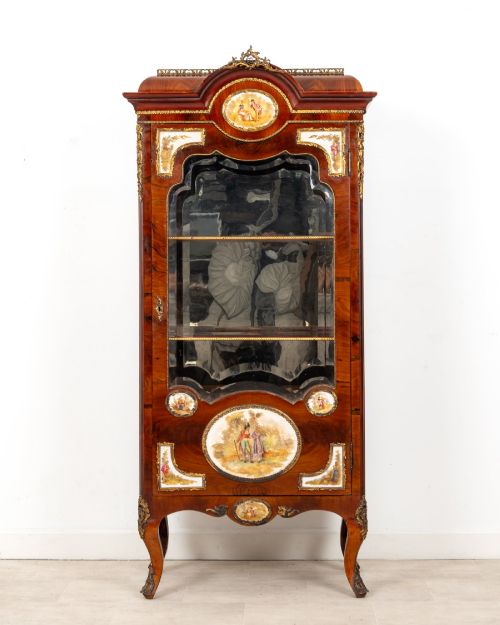
The choice of underlying timber and veneer figures, such as matched kingwood or figured mahogany, defines the cabinet tier. Superior joinery and the integration of hand-painted Vernis Martin panels further distinguish the upper range.
Francoise Linke·Jenners of Edinburgh
The Bronze Showcase Glossary
- Ormolu
- Gilded bronze mounts applied to furniture and cabinets for decorative effect. This technique was widely utilised by nineteenth-century French cabinet makers.
- Vitrine
- A glass-fronted cabinet designed for displaying fine china, porcelain, and small objects. These pieces feature glazed sides to allow light to enter from multiple angles.
- Bijouterie table
- A glass-topped display table used for housing jewellery, medals, and small decorative items. They frequently incorporate velvet linings within the display compartment.
- Vernis Martin
- A type of decorative lacquer finish developed in France, often featuring painted pastoral scenes on cabinet doors. It adds a pictorial element to nineteenth-century vitrines.
- Louis XVI Style
- A neoclassical design aesthetic characterised by straight lines, symmetrical proportions, and classical bronze mounts. This style appears frequently across nineteenth-century display cases.
Bronze Showcase: Frequently Asked Questions
What fits inside a vitrine?
Vitrines accommodate porcelain collections, silver items, and small curiosities that benefit from being kept behind glass. Shelved interiors allow for the arrangement of varying heights.
Larger cabinets offer substantial vertical space for comprehensive displays while protecting items from dust.
How do I clean the interior fabric?
Interior velvet and fabric linings require gentle surface dusting using a soft brush. Moisture should be avoided to prevent damage to the underlying timber and adhesive.
Regular care preserves the textile background against which the displayed objects sit.
Where should I place a display table?
Bijouterie tables function well in reception rooms and drawing rooms where natural light can illuminate the glass top. They require a position away from direct sunlight to protect interior items.
Placement should allow adequate clearance for viewing the contents from above.