
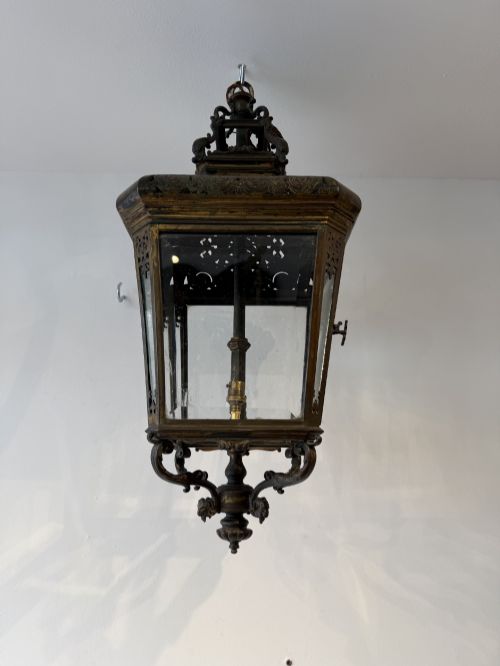


Bronze Pendant Lanterns
Bronze pendant lanterns bring focused downward illumination and classical decorative presence to entrance halls and stairwells.
Bronze Pendant Lanterns
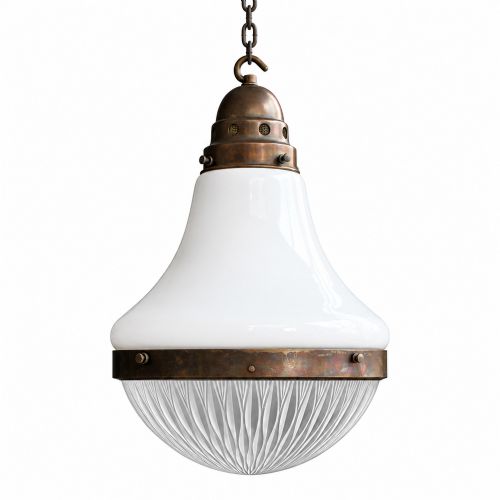
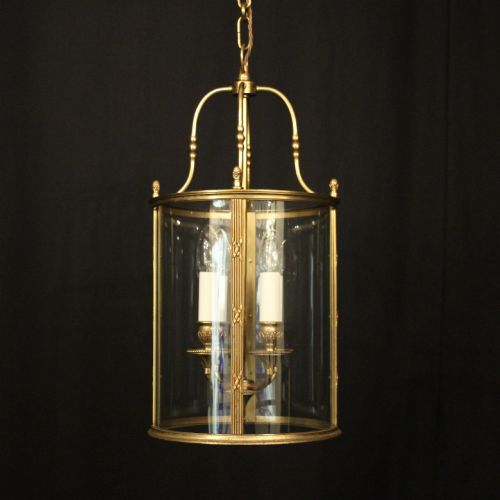
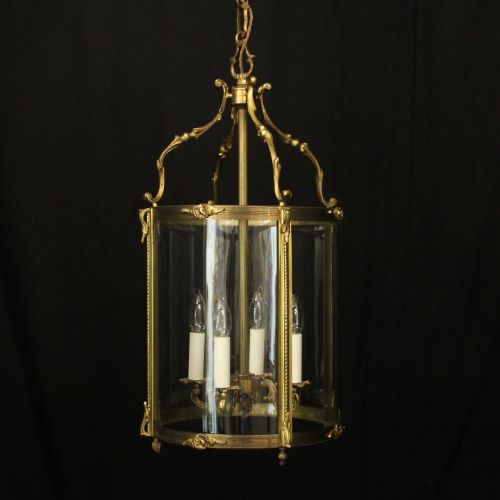
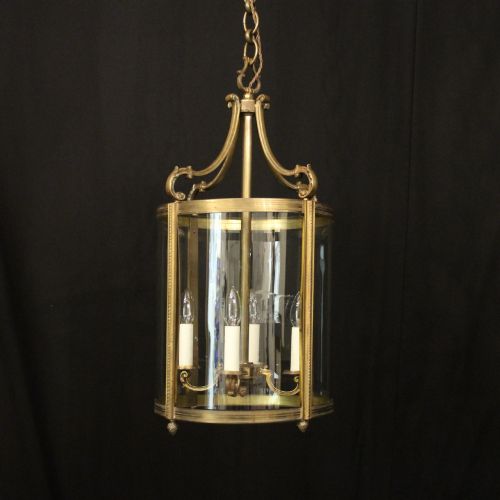
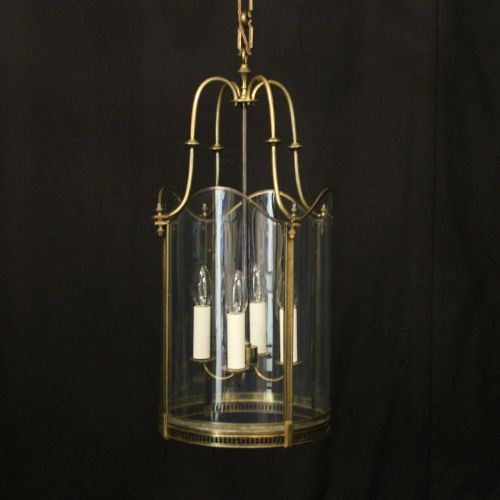
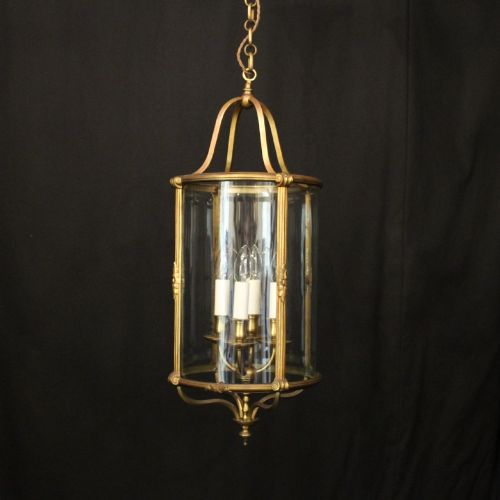
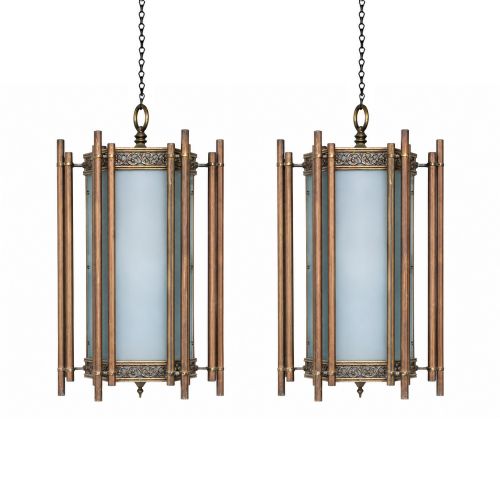
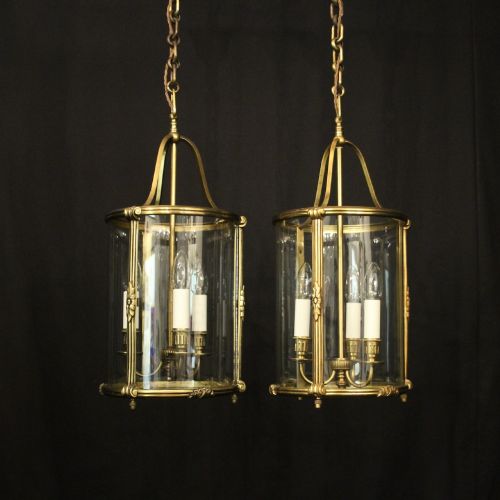
Bronze pendant lanterns are suspended light fittings designed principally for entrance halls, corridors and high-ceilinged landings. When you search for bronze pendant lanterns, you encounter objects built to illuminate transitional spaces with architectural dignity. The pieces seen here span from the Victorian and Edwardian eras into the Art Deco period, with French designs appearing frequently alongside English examples.
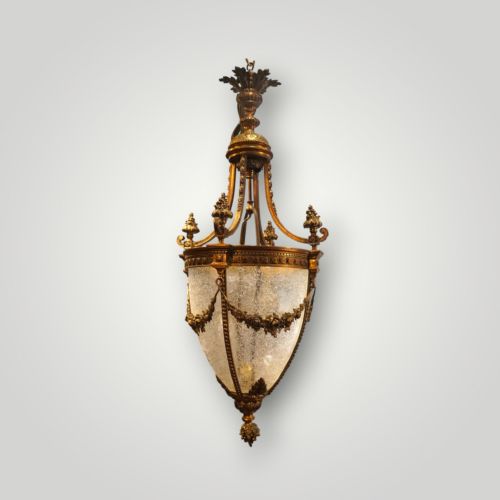
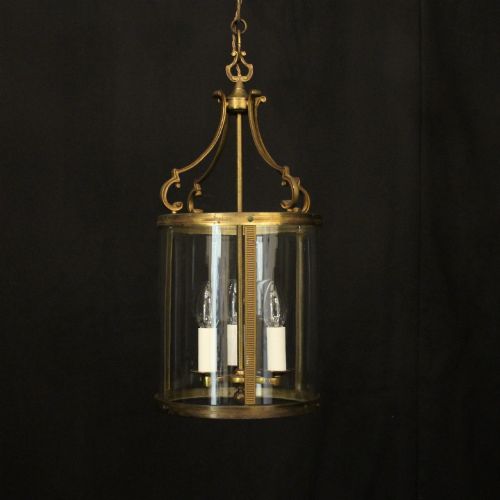
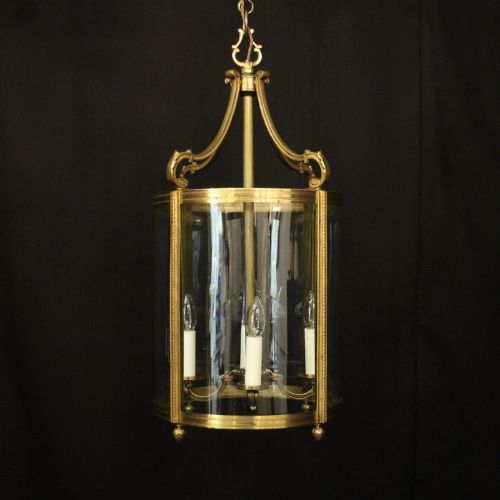
These fixtures take forms such as hall lanterns, ceiling lights and hanging pendants with single, twin, triple or four-light configurations. Many follow established decorative idioms, including French Louis XVI style, French Rococo, French Chateau and Arts and Crafts Gothic. They function as both structural sources of light and significant decorative elements within interior schemes.
Materials and Construction
The primary metalwork combines cast bronze, brass and ormolu, frequently treated with gilding or silver gilding to enhance reflective qualities. Frames are assembled with structural metal elements that support fitted panes of glass, which include convex glass, bevelled glass, frosted glass, cut glass and opaline glass. Earlier examples incorporate fittings adapted from candle illumination before the integration of electric wiring.
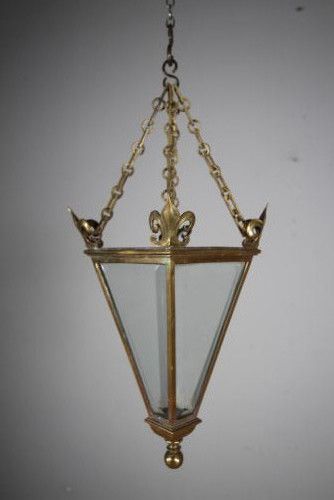
Makers utilised precision casting and patination techniques to achieve crisp architectural details, particularly within French Neoclassical and Louis XVI styles. Glass panels are secured within metal bezels and frames, sometimes forming hexagonal or rectangular geometries that distribute light evenly across a hall.
Listings feature pieces from the Victorian and Edwardian periods alongside 1920s designs.
Evaluating Quality
Quality in these lanterns rests upon the precision of the cast metalwork and the weight of the bronze or gilt bronze frame. Superior examples display sharply rendered ornamentation, well-fitted glass panels, and substantial metal thickness that maintains structural integrity over time. Lesser pieces exhibit softer casting detail and lighter gauge materials.
The sophistication of the glasswork further distinguishes the range, with bevelled, convex or cut panels representing finer craftsmanship than flat, plain panes. Original surface gilding and patination, preserved through careful ownership, elevate the visual impact of the metal elements.
F&C Osler·Perry & Co
The Bronze Pendant Lanterns Glossary
- Ormolu
- Gilded bronze, where a finely ground gold-mercury amalgam is applied to a bronze base. This technique produces a durable, rich golden surface finish common on decorative metalwork.
- Convex Glass
- Glass panes curved outward to scatter light and add optical depth to the lantern profile. This feature is frequently seen on French hall lanterns from the early twentieth century.
- Bevelled Glass
- Glass panes featuring an angled edge ground along the perimeter. This treatment catches and refracts light as it passes through the lantern panels.
- Opaline Glass
- A dense, opaque white glass that diffuses light evenly to reduce glare. It appears in several Victorian and Edwardian ceiling pendant fittings.
- Hall Lantern
- A hanging ceiling light specifically proportioned for narrow spaces and entrance hallways. These fixtures provide vertical illumination without obstructing circulation.
Bronze Pendant Lanterns: Frequently Asked Questions
Where should I hang a bronze pendant lantern?
These lanterns suit entrance halls, vestibules, stairwells and high ceilings where vertical drop is available. Their downward illumination helps define transitional spaces in a home.
Ensure adequate clearance beneath the fitting so foot traffic passes comfortably underneath without obstruction.
How do I determine the period of a lantern?
Dating relies on stylistic markers such as neoclassical motifs, Art Deco geometries, or Victorian proportions, alongside construction methods visible in the metal framing. Wiring and internal lamp holders also offer clues regarding subsequent adaptations.
Comparing the casting style against documented examples from periods like the nineteenth century helps confirm the era of manufacture.
Are these lanterns wired for modern electricity?
Most surviving examples have been adapted for electricity during their lifespan to accommodate modern bulbs safely. Rewiring is often updated to meet contemporary electrical standards while preserving original fixtures.
Consult a qualified electrician to inspect internal wiring and ensure compatibility with current household circuits.
How do I clean and maintain the bronze and glass?
Maintenance involves dusting the glass panels regularly with a soft cloth and cleaning the metal gently with dry methods to protect patination. Avoid harsh chemical cleaners that strip gilding or alter the bronze surface.
Glass panels can be removed carefully for thorough cleaning when necessary, provided the retaining clips are handled with care.