



Bronze Patina Figurine
A bronze patina figurine brings weight and character to a room, offering classical figures and kinetic animal studies cast over the last two centuries.
Bronze Patina Figurine
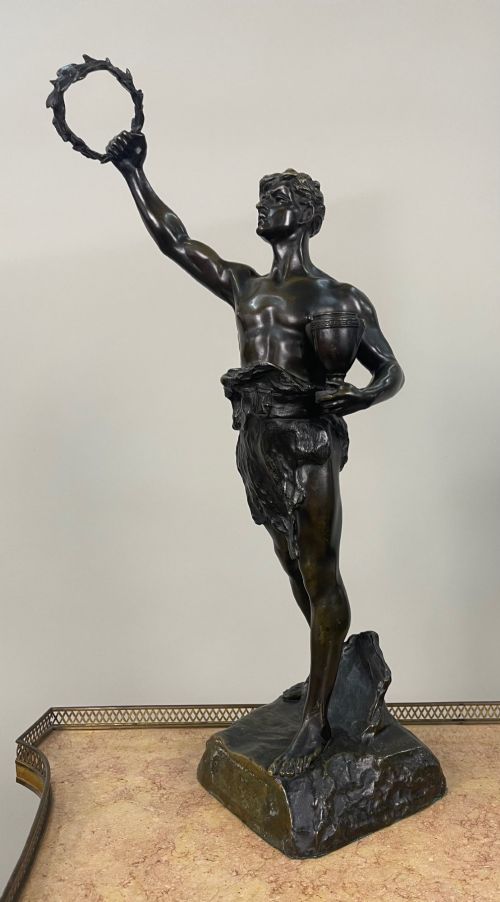
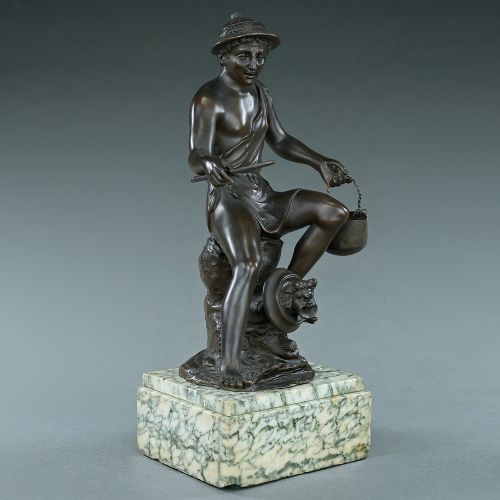
When you search for a bronze patina figurine, you encounter a diverse gathering of small-scale sculptures, animal studies, and desk ornaments spanning the Victorian era through the Art Deco period. These pieces originate largely from French and Italian foundries, alongside West African workshops and British studios.
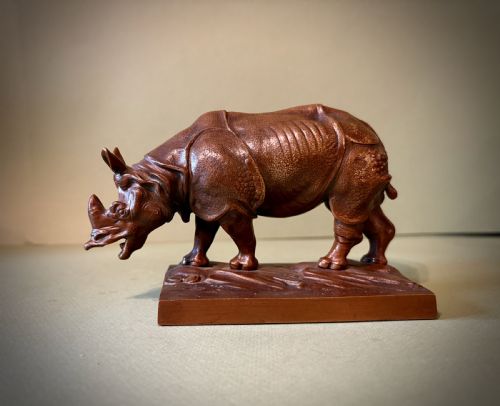
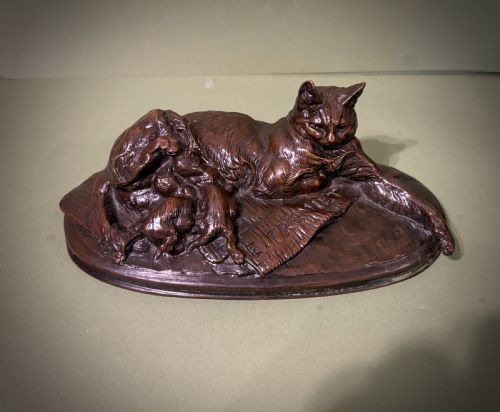
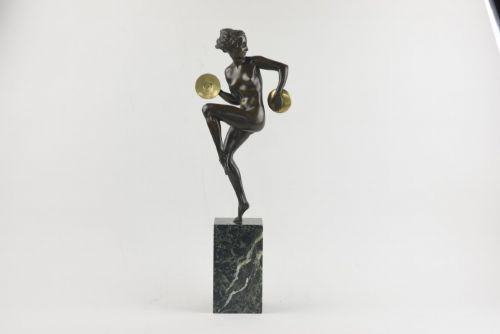
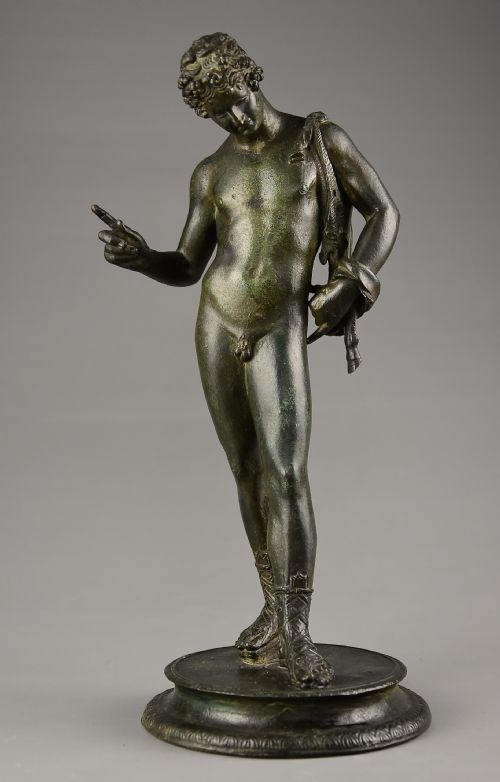
The selections available here range from Grand Tour classical figures like Narcissus and crouching Venus to dynamic animalier portrayals of greyhounds, panthers, lions, and stags. You also meet utilitarian desk accessories and figural table lamps that integrate patinated metal with marble, alabaster, wood, or brass bases.
Nineteenth-century animalier studies and early twentieth-century dancer figures dominate the grouping, reflecting both naturalistic observation and stylized modernist movement. Collectors value these works for their tactile surfaces and the depth of their chemical or natural finishes.
Assessing quality and finish
The integrity of the material matters immensely, distinguishing heavy, hot-cast bronze from lighter spelter alternatives that may show surface fatigue. Furthermore, the quality of the mounting - such as fitted marble bases or secure attachments - signals the care taken during initial production.
Bronze Patina Figurine Retail Price Guide 2026
Typical asking prices for bronze patina figurine among the pieces listed under this phrase on Sellingantiques today, from the lower quarter to the upper quarter. They describe what is for sale here now, not the wider market.
The selection includes animal studies, classical human figures, desk ornaments, and figural table lamps originating from French, Italian, and West African traditions.
P J Mêne·Anna Vaughn Hyatt Huntington·Ugo Cipriani·I Rochard·Isidore Bonheur·A L Barye·Barbedienne
The Bronze Patina Figurine Glossary
- Animalier
- A nineteenth-century artistic movement focused on the realistic depiction of animals, particularly in motion or repose. Sculptors often studied subjects directly from menageries.
- Patina
- The surface coloration and sheen developed on metal through age or chemical treatment. This finish protects the underlying alloy while defining the contours of the sculpture.
- Grand Tour
- Cultural travel undertaken by Europeans to classical sites in Italy, prompting the production of small bronze replicas. These figures of mythological subjects served as portable souvenirs.
- Spelter
- A zinc-based alloy commonly utilised as an economical alternative to bronze. It accepts metallic finishes well but possesses a lighter weight and softer structure.
- Lost-wax casting
- A historic method where a wax model is melted from a ceramic mould to receive molten metal. This technique allows for intricate, undercut forms.
Bronze Patina Figurine: Frequently Asked Questions
How do I clean a bronze patina figurine?
Dust the surface gently with a soft, dry brush to remove particulate matter without disturbing the underlying chemical finish. Avoid abrasive cloths, water, or chemical polishes that can strip away historic patination.
Apply microcrystalline wax very sparingly if the metal requires protection against moisture. Buff lightly with a clean cloth to maintain a soft sheen rather than a bright, reflective gloss.
What is the difference between bronze and spelter?
Bronze is an alloy of copper and tin that yields heavy, durable castings capable of holding sharp details through centuries. Spelter uses zinc, resulting in a lighter material that is more brittle and susceptible to surface wear.
Examining the underside or areas of friction often reveals the lighter, greyish base metal of spelter beneath its bronze-finish coating. Genuine bronze exhibits a warm, reddish-brown metallic tone where the patina has worn thin.
Where were most antique animalier figures made?
France served as the primary centre for animalier sculpture during the nineteenth and early twentieth centuries. Foundries in Paris produced rigorous studies of wildlife and domestic animals for an international clientele.
Italian workshops also contributed significantly, particularly through Grand Tour productions inspired by classical antiquities. British and German foundries added their own regional interpretations of sporting and agricultural subjects.
How can I date an undated bronze sculpture?
Inspect the casting seams, mounting screws, and the composition of the base material for period-specific manufacturing traits. Hand-filed surfaces and traditional slot-head screws often point toward nineteenth-century production.
Stylistic cues such as Art Deco geometric streamlining or Victorian classical revival provide reliable chronological markers. Comparing the signature style and foundry stamp with historical registry records confirms the active period of the artist.