

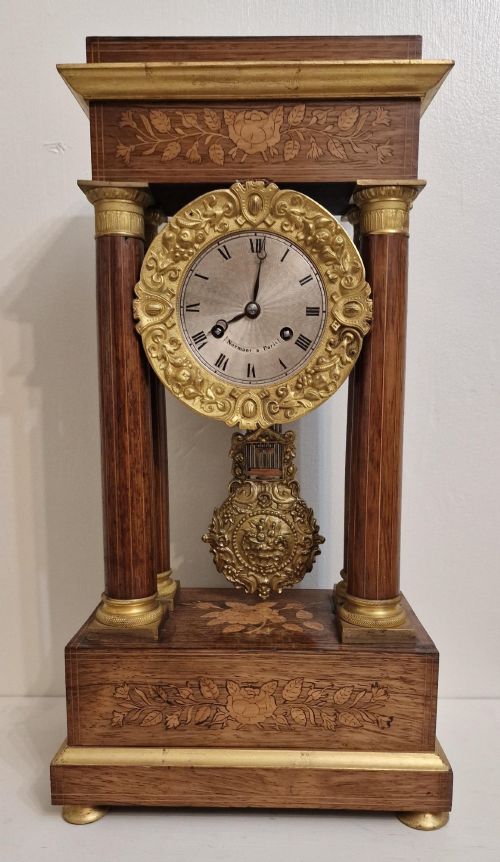
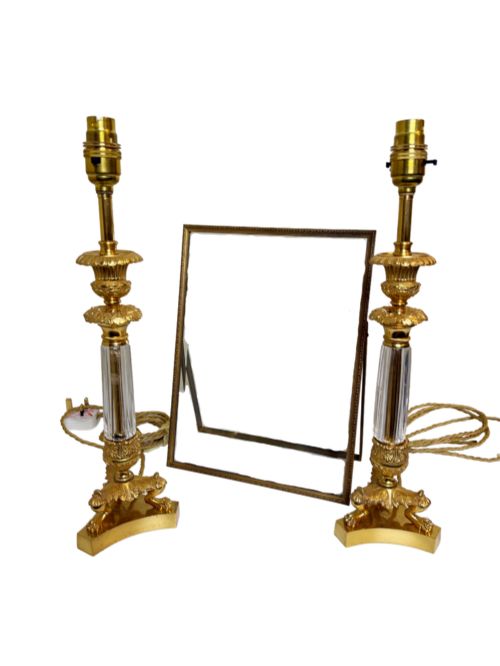
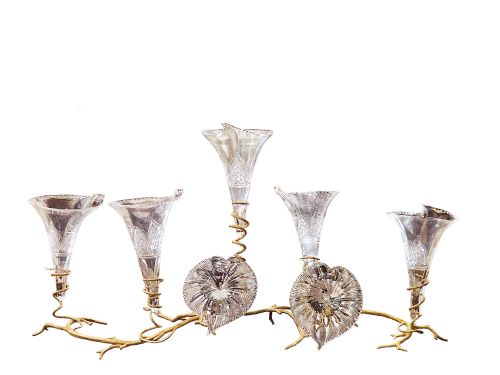
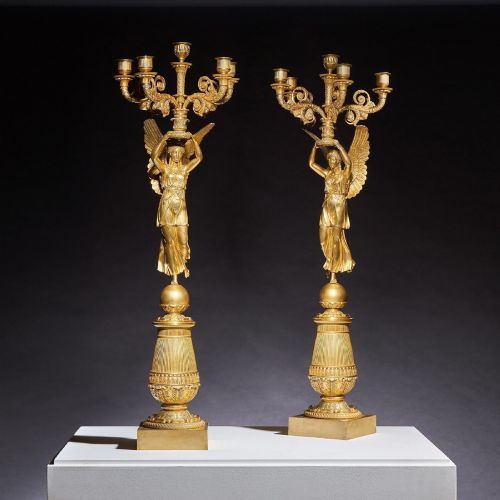
Bronze Ormolu Table
A bronze ormolu table brings nineteenth-century French revival splendour to a room through gilded metal mounts and fine timber framing.
Bronze Ormolu Table
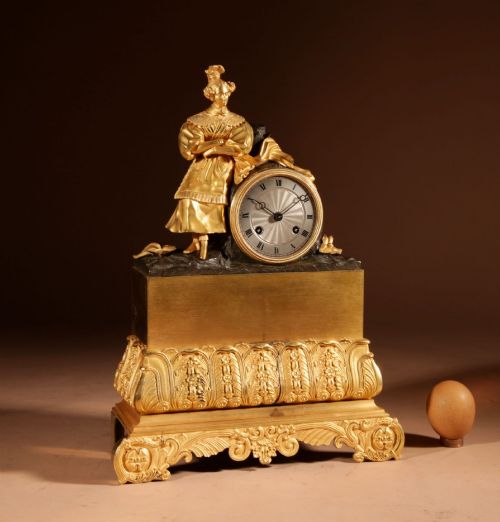
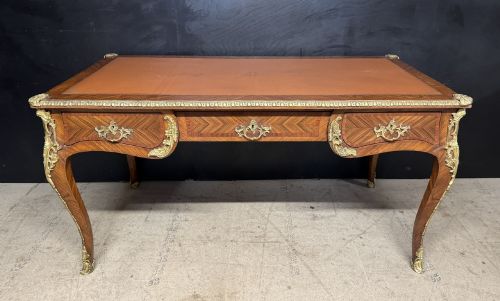
A bronze ormolu table spans forms such as centre tables, writing desks, vitrines, and console tables designed in nineteenth-century French revival styles. These pieces demonstrate the decorative ambitions of periods spanning the 1860s to the 1920s.
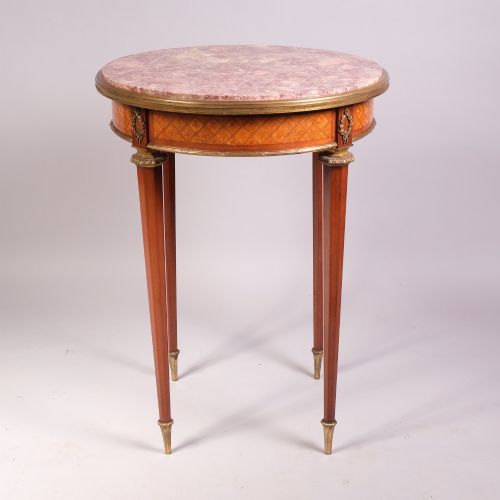
The most common examples encountered on this page combine kingwood, walnut, or mahogany timber frames with cast and gilded bronze mounts. They reflect Louis XV and Louis XVI revivals alongside French Empire aesthetics.
Makers and designers working in these idioms produced freestanding occasional tables, card tables, and nests of tables fitted with marble tops or parquetry surfaces. They served both ornamental and functional roles in period interiors.
How they were made
Cabinetmakers constructed the wooden carcases using dense timbers like kingwood, rosewood, and walnut, often applying intricate marquetry and parquetry veneers in geometric or floral patterns. Some surfaces received black lacquer or vernis martin finishes.
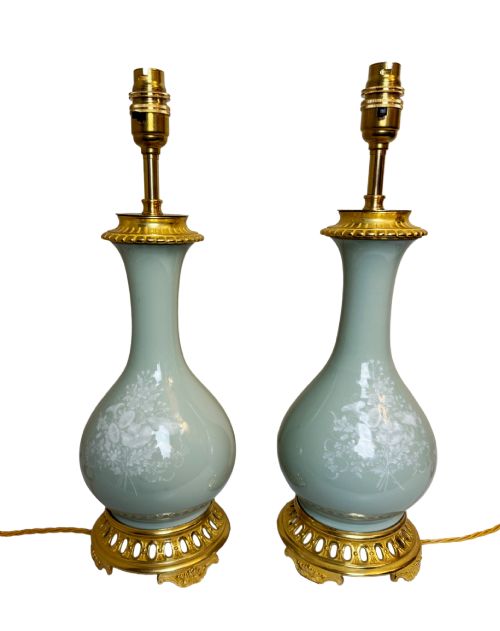
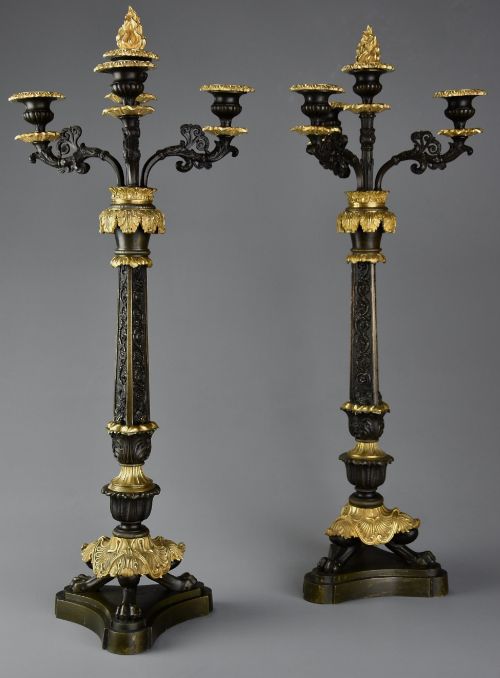
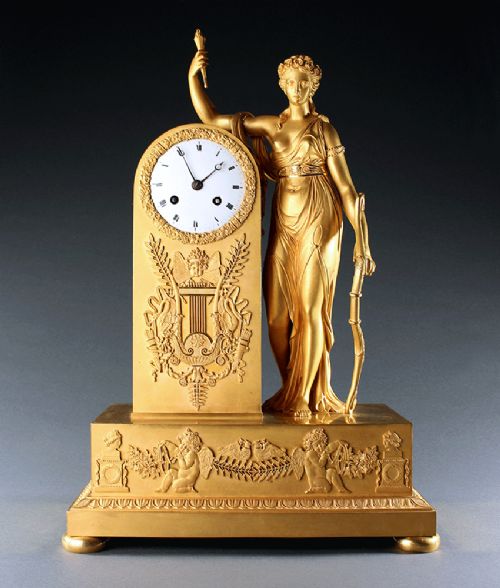
The characteristic gilt bronze or ormolu mounts were cast and hand-chased before receiving a layer of gold amalgam to achieve a durable metallic lustre. These decorative elements were screwed or pegged directly into the timber frames.
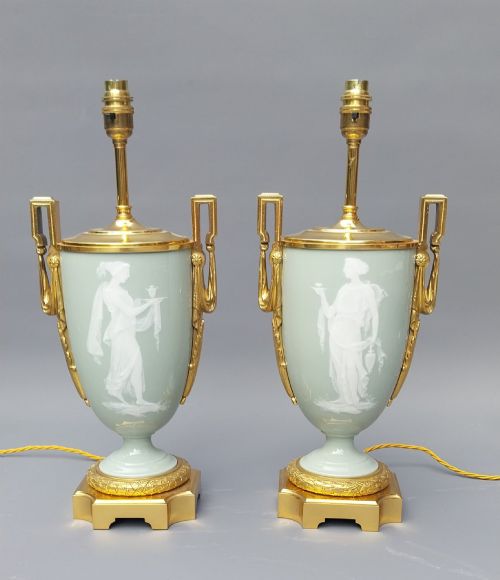
Many tables incorporate additional materials such as white or coloured marble slabs inset into the tops, porcelain plaques painted with figures, and brass stringing to accentuate the structural contours.
Bronze Ormolu Table Retail Price Guide 2026
Typical asking prices for bronze ormolu table among the pieces listed under this phrase on Sellingantiques today, from the lower quarter to the upper quarter. They describe what is for sale here now, not the wider market.
Makers hid clever mechanical drawers inside occasional tables so owners could store secret letters beneath heavy marble surfaces.
What varies in quality
The crispness of the bronze chasing dictates the visual success of the metal mounts, separating sharp, deeply modelled foliage and figures from soft, shallow castings. Higher grade ormolu displays distinct tool marks from hand-finishing rather than smooth, uniform machine surfaces.
Timber selection and veneer execution govern the structural integrity of the carcase, with matched grain patterns and precise marquetry indicating superior workshop practice. Inferior examples rely on printed or poorly aligned veneers that lift over time.
The integration of secondary materials such as Sevres-style porcelain plaques, onyx panels, or mechanical hinges distinguishes exhibition pieces from standard commercial production. Complexity in internal mechanisms and carcase design marks the upper tier of manufacture.
Francois Linke·Edward Holmes Baldock·Maison Millet·Gillows
The Bronze Ormolu Table Glossary
- Ormolu
- Gilded bronze, derived from the French term for ground gold. It provides the bright metallic ornamentation characteristic of nineteenth-century French furniture.
- Marquetry
- The art of applying pieces of veneer to a structure to form decorative patterns. Craftsmen utilised various exotic woods to create floral or pictorial scenes.
- Parquetry
- Geometric mosaic woodwork used for floors and tabletops. It relies on symmetrical arrangements of small wood blocks.
- Vitrine
- A glass-panelled display cabinet or table designed to showcase porcelain and small objects. These pieces often feature extensive ormolu mounts.
- Console table
- A table designed to stand against a wall, frequently topped with marble. They are often supported by decorative brackets or legs with gilt bronze mounts.
Bronze Ormolu Table: Frequently Asked Questions
How do I clean bronze ormolu mounts safely?
Dust the metal gently with a soft dry brush to remove surface particles without disturbing the underlying gilding. Avoid using abrasive metal polishes or chemical cleaners that strip the gold layer.
Moisture can harm vulnerable timber veneers surrounding the mounts, so keep liquids away from the joints during cleaning. Professional conservation is recommended for heavily tarnished surfaces.
Can these tables be used daily?
These tables function well for normal daily use provided they are placed away from direct heat sources and strong sunlight. Using coasters and protective mats prevents moisture rings and scratches on polished wood or marble tops.
Heavier items should not be placed on delicate display tables or vitrines designed primarily for decorative display. Periodic gentle waxing helps maintain the moisture balance in nineteenth-century veneers.
How do I identify a Louis XVI revival piece?
Louis XVI revival furniture is characterised by straight tapered legs, neoclassical symmetry, and restrained geometric or floral ornamentation. The ormolu mounts typically feature ribbons, urns, acanthus leaves, and classical architectural motifs.
Timber surfaces on these pieces frequently display quarter-matched veneers or parquetry rather than the sweeping asymmetrical curves seen in earlier Louis XV designs.
What is the difference between a centre table and a side table?
Centre tables are finished on all four sides because they were intended to stand freely in the middle of a room. Their marquetry, parquetry, or ormolu detailing extends completely around the carcase.
Side tables and console tables are usually designed with one flat back edge intended to rest directly against a wall. Consequently, their decorative mounts and veneer patterns concentrate on the front and sides.