



Bronze Mounted Lamps
Bronze mounted lamps bring together cast metal and ceramic or stone, offering warm illumination through centuries-old craftsmanship.
Bronze Mounted Lamps
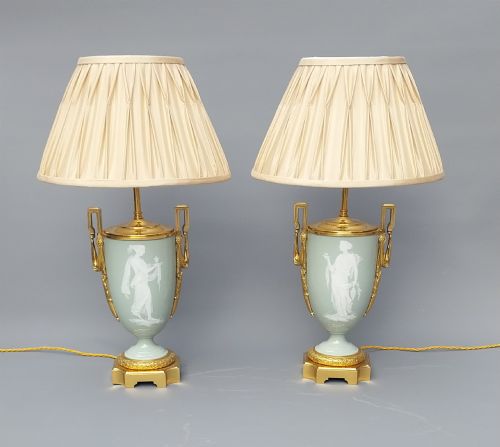
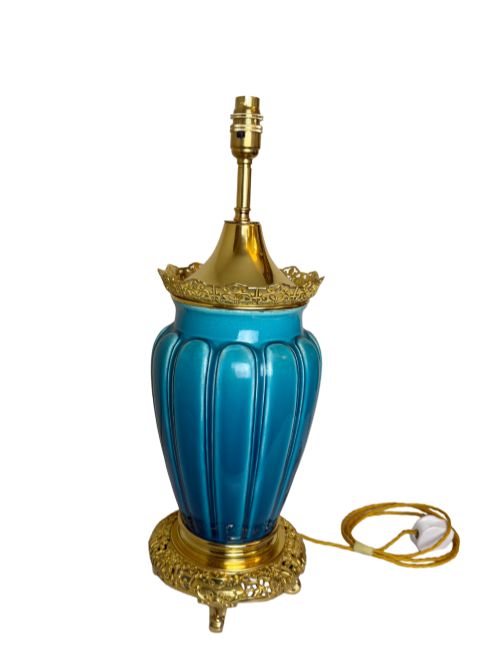
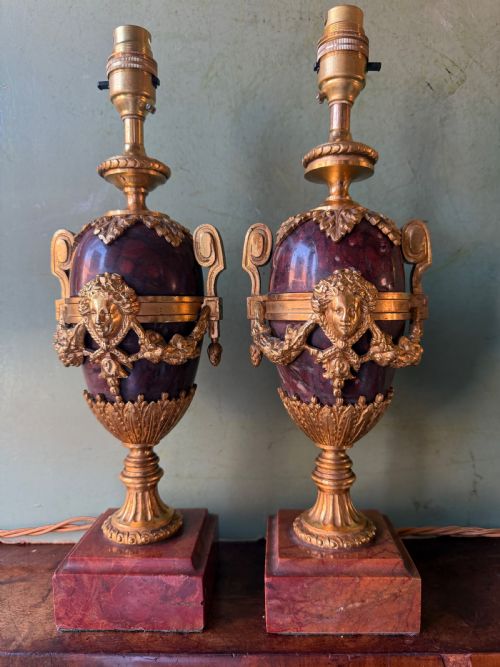
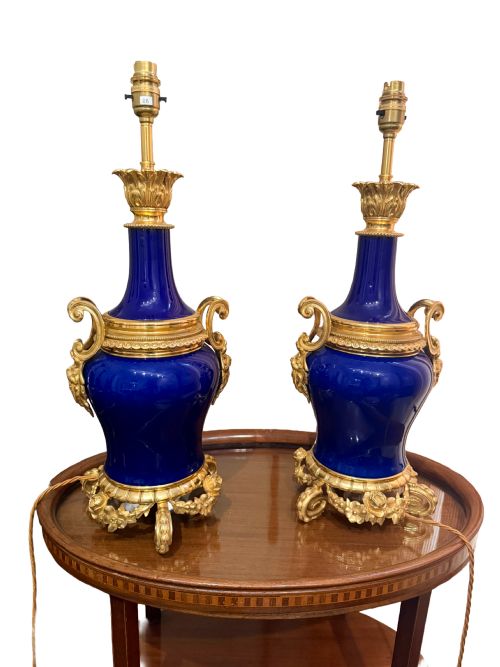
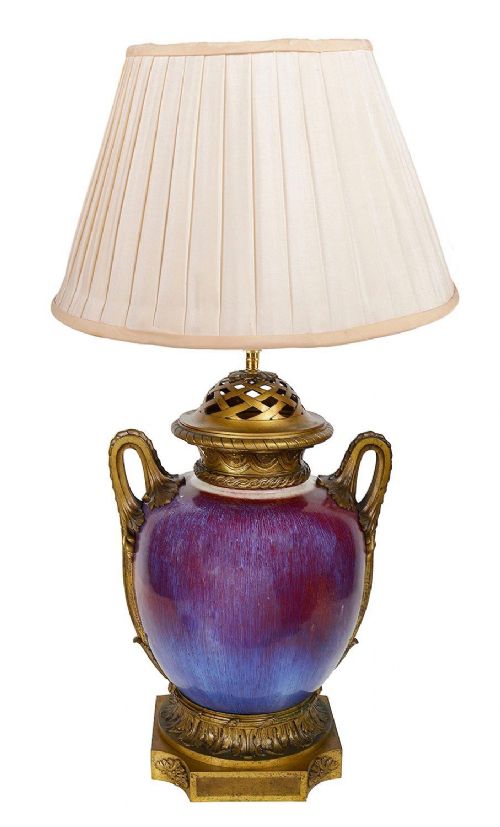
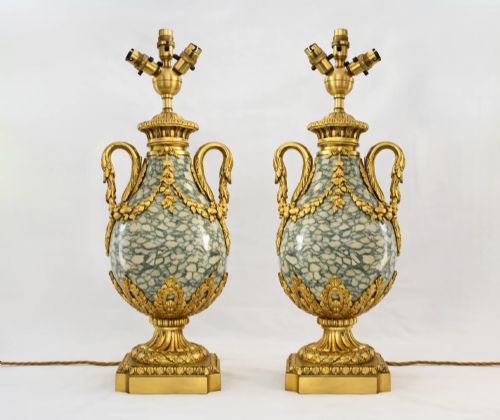
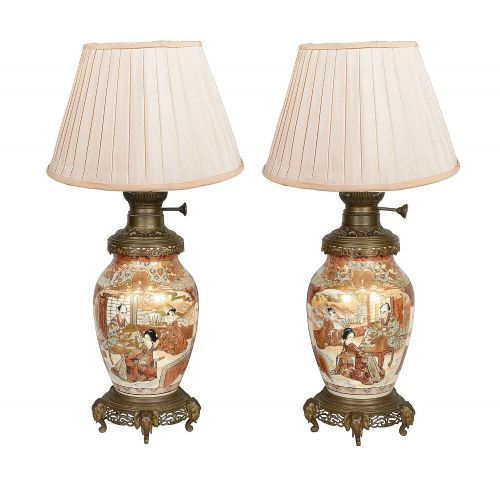
Bronze mounted lamps combine decorative metal mounts with bodies formed from porcelain, marble, glass or crystal. These pieces originated primarily in France and China during the eighteenth and nineteenth centuries, utilising existing vases, urns and cassolettes as bases.
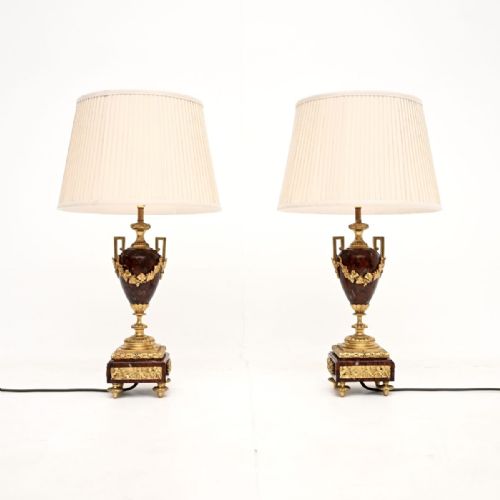
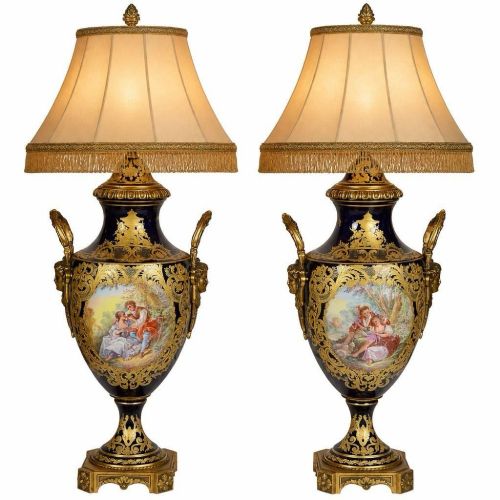
Buyers seeking bronze mounted lamps will most frequently encounter nineteenth-century French creations executed in the Louis XVI and Rococo Revival styles. Pairs designed for placement on side tables and mantelpieces dominate the available selections.
Conversion from oil or kerosene burners to electricity occurred during later periods, adapting antique vessels for modern domestic use. The resulting objects retain their original patinated metalwork and ceramic bodies intact.
How they were made
Craftsmen utilised fire gilding or electroplating to apply gold finishes to bronze and brass mounts, creating the distinctive ormolu surface. Cast metal elements were chased by hand to sharpen details on acanthus leaves, scrollwork and beaded borders before assembly.
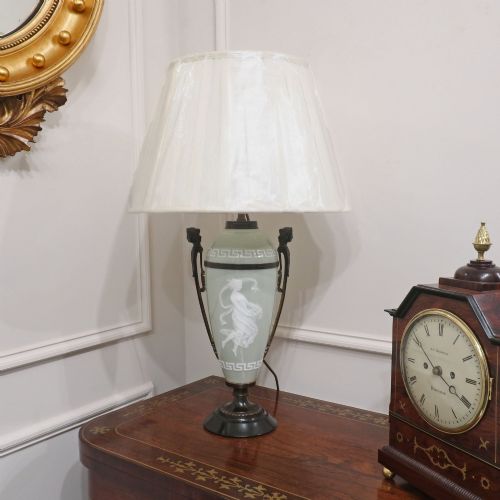
Porous ceramic bodies including Sevres style porcelain, Chinese celadon, and pate sur pate panels were drilled carefully to accommodate wiring channels. Mounts were secured using threaded rods and screws that passed through the centre of the vessels without damaging the antique glaze.
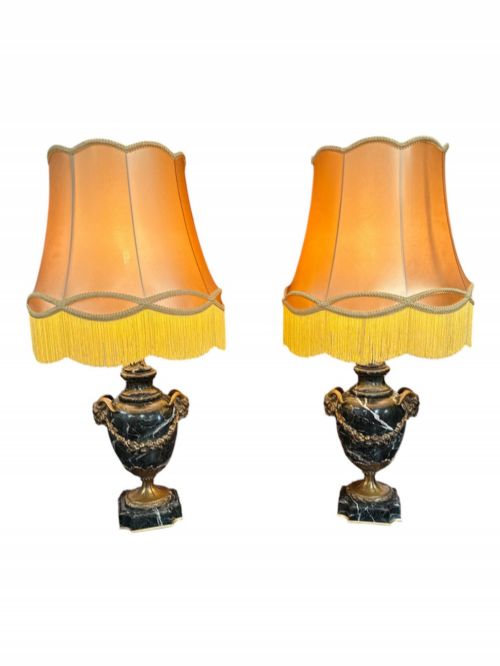
Marble bases and columns were turned on lathes and polished to contrasting matte and glossy finishes, then joined securely to the cast metal feet and capitals.
Bronze Mounted Lamps Retail Price Guide 2026
Typical asking prices for bronze mounted lamps among the pieces listed under this phrase on Sellingantiques today, from the lower quarter to the upper quarter. They describe what is for sale here now, not the wider market.
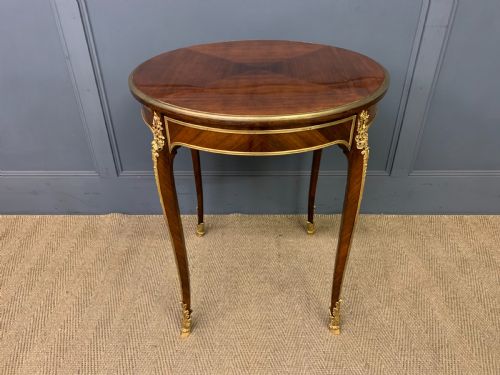
Listings feature eighteenth and nineteenth-century pieces incorporating porcelain, marble, mahogany and ormolu.
What varies in quality
The crispness of the chasing on the ormolu mounts separates superior bronze mounted lamps from simpler production. Hand-tooled metal displays distinct leaf veins and deep undercutting, whereas lower-quality castings appear soft and uniform.
The pedigree and condition of the central vessel determine much of the value. Hand-painted porcelain panels with intact gilding and unblemished surfaces represent the upper tier of manufacture compared to plain or heavily restored bodies.
Francois Linke
The Bronze Mounted Lamps Glossary
- Ormolu
- Gilded bronze. The technique involves applying a mercury-gold amalgam to cast bronze before heating to vaporise the mercury, leaving a rich golden layer.
- Cassolette
- A decorative vessel that functions as a vase or a burner. Reversible lids often feature on these pieces.
- Pate-sur-pate
- A ceramic decoration technique. Successive layers of liquid white porcelain slip are painted onto a contrasting coloured body to create a low relief cameo effect.
- Chasing
- The manual finishing of metal castings. Artisans use small punches and hammers to refine textures and sharpen contours after the foundry work concludes.
Bronze Mounted Lamps: Frequently Asked Questions
Are these lamps originally electric?
Most bronze mounted lamps began as oil burners, vases or decorative urns before undergoing conversion to electricity during the twentieth century. Original wiring is rarely found on nineteenth-century examples.
Rewiring by a qualified electrician is recommended for everyday safety and to protect the antique fabric of the lamp during use.
How do I date a bronze mounted lamp?
Dating relies upon stylistic markers in the ormolu mounts, such as Louis XVI neoclassical swags or Louis XV asymmetric rococo scrolls. The material of the central vessel also provides clues to the period of manufacture.
Examining the internal hardware, threading, and base construction helps confirm whether the mounts and the body are contemporary with one another.
Can I find matching pairs?
Pairs appear frequently in nineteenth-century French lighting, often created by mounting symmetrical Chinese or European porcelain vases. These matching sets were intended for placement on side tables or mantelpieces.
Slight variations in hand-painted ceramic details or hand-chased bronze mounts indicate individual artisan execution rather than factory uniformity.
How should I clean ormolu mounts?
Dusting with a soft, dry microfibre cloth removes surface particles without disturbing the protective historic patina on the gilded bronze. Avoid harsh chemical cleaners and metal polishes entirely.
Moisture can damage porous marble and fabric shades, so liquids should be kept away from the ceramic and textile components during maintenance.