



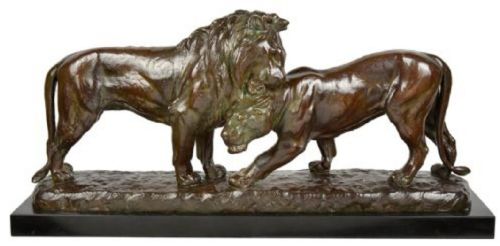

Bronze Lion Figurine
These bronze lion figurine examples range from Grand Tour classical studies to French Animalier bronzes, each bringing classical strength to a desk or mantelpiece.
Bronze Lion Figurine
A bronze lion figurine captures the power and majesty of the beast through varied artistic interpretations spanning centuries. Buyers searching for a bronze lion figurine will encounter works ranging from classical Grand Tour souvenirs to intricate nineteenth century Animalier studies.
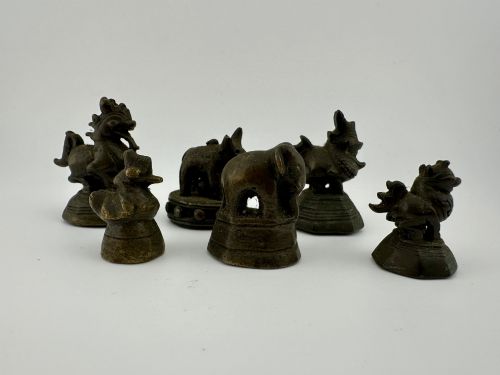
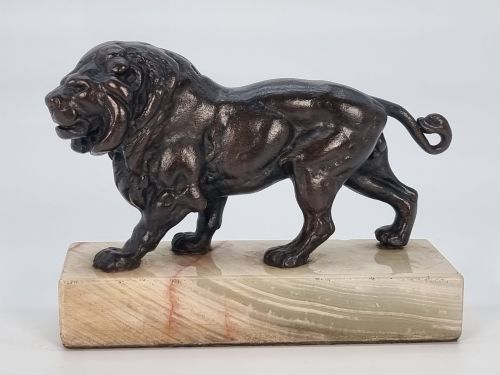
The selection includes French bronze sculptures on marble or onyx bases, as well as specialised items such as trade opium weights and fountain heads. Most examples originate from the nineteenth century, reflecting periods of intense European and Asian metalworking production.
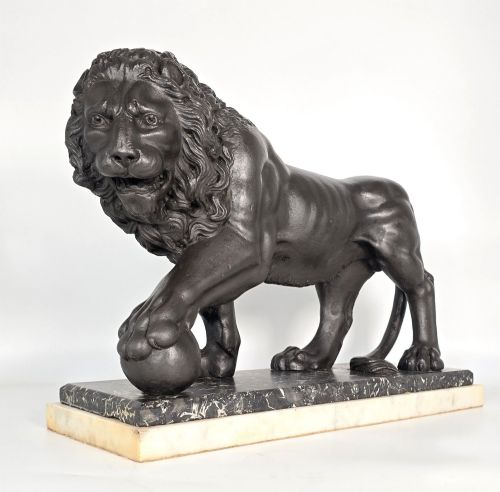
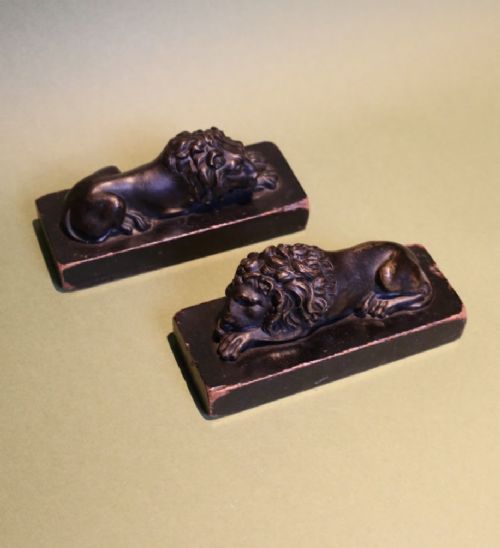
Forms vary from prowling beasts and roaring pairs to monumental reclining guardians like the Medici and Capitoline lions. Each piece demonstrates the enduring appeal of the lion motif across Neoclassical, Art Deco, and regional eastern traditions.
How they were made
Makers utilised traditional casting methods to shape molten metal into lifelike animal forms, often employing patination techniques to create varied surface tones. Many sculptures incorporate cold painted finishes or subtle gilt details to highlight anatomical definition.
Heavy stone plinths made from marble or onyx frequently serve as architectural mounts for these metal casts, providing structural balance. Some works integrate gold inlay or combine iron with other metals to achieve specific textural effects.
Even fierce bronze lions sometimes rest upon remarkably dainty green marble pedestals.
What varies in quality
The fidelity of anatomical rendering and the subtlety of the surface patina distinguish superior casts from simpler productions. Master modellers achieved tension in muscle and expression that elevates a study beyond a mere decorative object.
The quality of the foundational stone base and the crispness of signature stamps or foundry marks contribute significantly to the standing of an individual piece.
Paul Édouard Delabrièrre·Unno Shomin·G. Gardet·Louis Riche·Al Barye·Barbedienne·Le Courtier
The Bronze Lion Figurine Glossary
- Animalier
- A nineteenth century artistic movement focused on the realistic depiction of animals. Practitioners studied subjects in menageries to capture authentic movement and posture.
- Grand Tour
- A traditional trip through Europe undertaken by upper class Europeans for education and pleasure. Tourists frequently acquired small bronze sculptures as cultural mementos.
- Cold Painted
- A technique where paint is applied to a metal object without subsequent firing. This method requires careful preparation so the pigment adheres to the bronze surface.
- Okimono
- A Japanese decorative figurine designed for display on a shelf or in a traditional alcove. These objects demonstrate exceptional metallurgical skill and intricate detailing.
- Patination
- The process of treating a metal surface to produce a coloured film or oxidation layer. Skilled artisans controlled chemical applications to achieve deep brown or green tones.
Bronze Lion Figurine: Frequently Asked Questions
Where should I place a bronze lion figurine?
These figures suit display surfaces that allow appreciation from multiple angles, such as a sturdy desk, bookcase, or mantelpiece. Their substantial weight from bronze and stone bases ensures stability in domestic settings.
Positioning them away from direct moisture protects any delicate cold painted finishes or stone plinths from environmental wear over time.
How do I identify a Grand Tour lion?
Grand Tour pieces often replicate famous public monuments in Rome or Florence, such as the Medici lions or the Capitoline lion. They were created as portable art for travellers visiting historical sites during the nineteenth century.
Examining the mounting style and the aged quality of the bronze provides clues regarding their mid nineteenth century origins.
What is an Animalier bronze?
Animalier bronzes emerged from a nineteenth century European school dedicated to naturalistic animal sculpture. Artists focused on capturing wild beasts in motion, tension, or repose with precise anatomical accuracy.
These sculptures often bear the signature of the modeller on the bronze base alongside foundry inscriptions.
How do I care for bronze and marble?
Dusting gently with a dry, soft cloth prevents the accumulation of particles on the metal surface and stone plinth. Avoid using chemical polishes that can strip original patination or damage porous marble and onyx.
Maintaining a stable indoor climate protects both the metal alloy and its fitted stone base from humidity fluctuations.