



Bronze Hallway Light
A bronze hallway light brings weight and presence to an entrance, offering heavy metalwork and clear glass designed to catch the eye the moment a door opens.
Bronze Hallway Light
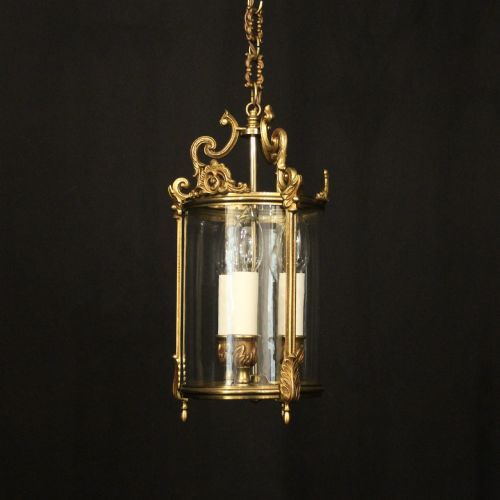
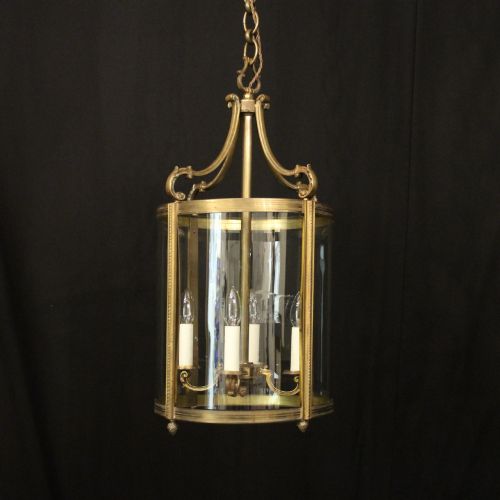
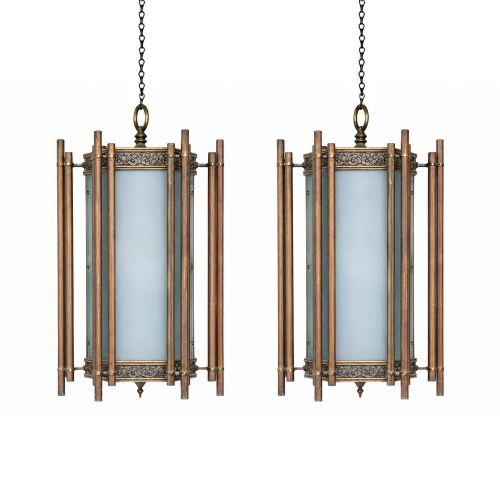
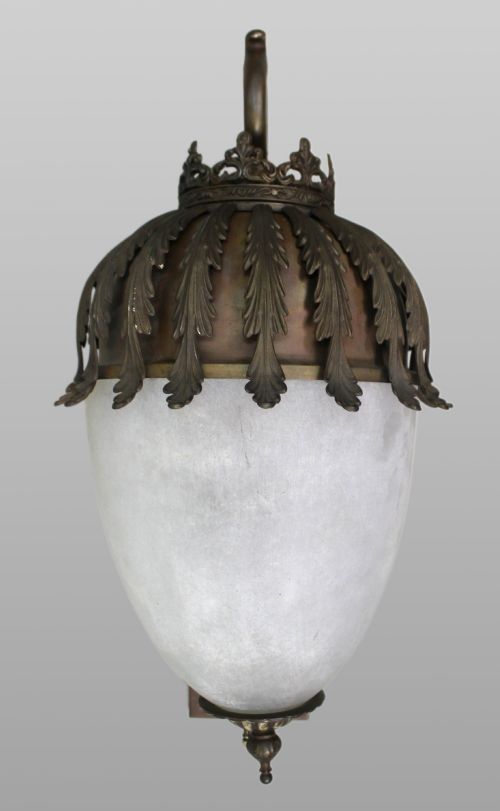
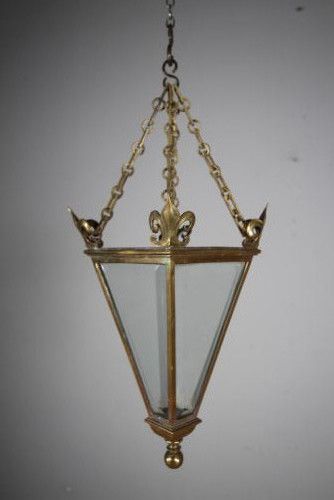
A bronze hallway light takes many forms across this selection, appearing most frequently as a ceiling-hung lantern or pendant designed for narrow spaces. These fixtures span the nineteenth century through the 1930s, taking shape as single lights, twin lights, or larger multi-bulb configurations.
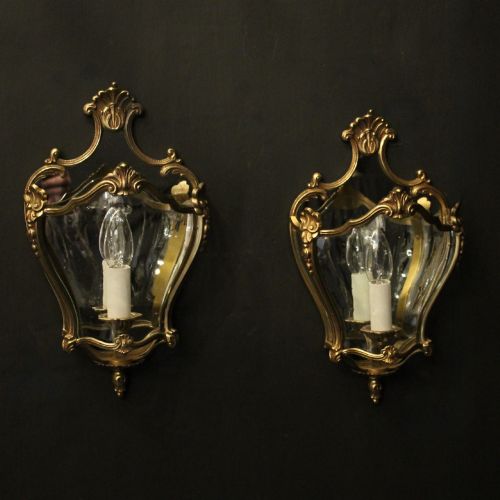
The aesthetic reaches across various stylistic influences, including French Louis XVI style, Victorian Gothic, Edwardian design, and American Art Deco. Buyers encounter everything from compact half lanterns meant for shallow walls to monumental hanging fixtures intended for grander vestibules.
Materials and Construction
Foundries cast these fixtures primarily in bronze, brass, and gilt bronze, often applying a gilded finish to enhance the metallic gleam in dim entryways. Heavier examples utilise robust metal frames built to support substantial glass panels over decades of daily use.
Makers integrated various glass treatments into the metal frameworks, incorporating frosted panels, cut glass drops, and convex panes. These glass elements required careful bevelling and hand-fitting to secure them tightly within the heavy metal cages.
Bronze Hallway Light Retail Price Guide 2026
Typical asking prices for bronze hallway light among the pieces listed under this phrase on Sellingantiques today, from the lower quarter to the upper quarter. They describe what is for sale here now, not the wider market.
Listings span several eras, featuring Victorian, Edwardian, and Art Deco periods alongside nineteenth-century pieces.
Indicators of Quality
Quality reveals itself in the crispness of the casting work and the depth of the chased detailing across the bronze and gilt surfaces. Superior examples display refined proportions and heavier gauge metal that maintains structural integrity without excessive sagging over the drop rod or chain.
The treatment of the glass further distinguishes the tier of a piece, with heavy cut glass or thick convex panels indicating superior craftsmanship compared to plain flat replacements. Original gilding and integrated multi-light internal clusters also separate standard utilitarian fittings from high-end decorative commissions.
The Bronze Hallway Light Glossary
- Half lantern
- A lighting fixture split vertically so that it mounts flat against a wall, commonly utilised in narrow hallways where floor space is restricted. It projects outward to cast light across the passage.
- Convex lantern
- A hanging light featuring outward-curved glass panes that distort and diffuse the internal illumination. This curved shaping maximises light spread in compact entrance spaces.
- Gilt bronze
- Base bronze metal treated with a thin layer of gold leaf or a gold-mercury amalgam to create a bright, reflective surface. It resists tarnishing better than raw brass or untreated bronze.
- Cut glass drops
- Small faceted glass pendants suspended from the interior or rim of a light fixture to refract bulb light. They scatter points of illumination across surrounding walls and ceilings.
Bronze Hallway Light: Frequently Asked Questions
How do I hang a heavy bronze lantern safely?
Heavy bronze fixtures require a secure ceiling joist or a heavy-duty metal pattress box to support the substantial weight of the metal frame and glass panels.
Consulting a qualified electrician ensures that the internal wiring and suspension chain or rod match the load requirements of the specific antique.
Can I use modern LED bulbs in these antique lights?
Modern LED bulbs work well in these vintage fixtures, provided the base size and wattage compatibility align with the original lamp holders.
Selecting warm white LED bulbs helps replicate the softer glow originally produced by early electric lamps or candles.
How do I clean frosted and cut glass panels?
Glass panels are best removed from the metal frame if the retaining clips allow, then washed gently with mild soapy water and dried with a lint-free cloth.
Harsh chemical cleaners should be kept away from gilt and bronze surfaces to prevent stripping the aged patination.