




Bronze Foo Lion
These bronze foo lion sculptures and censers bring centuries of temple and scholar tradition straight to your mantelpiece.
Bronze Foo Lion
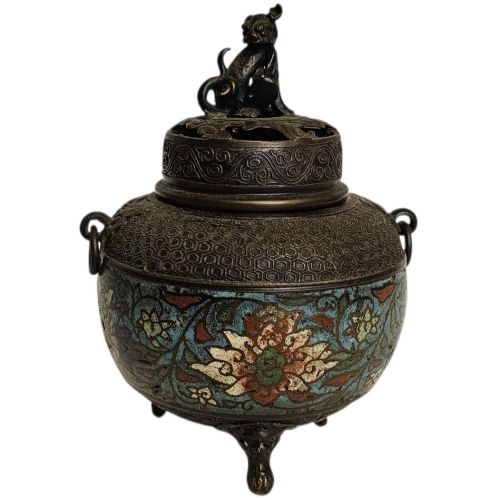
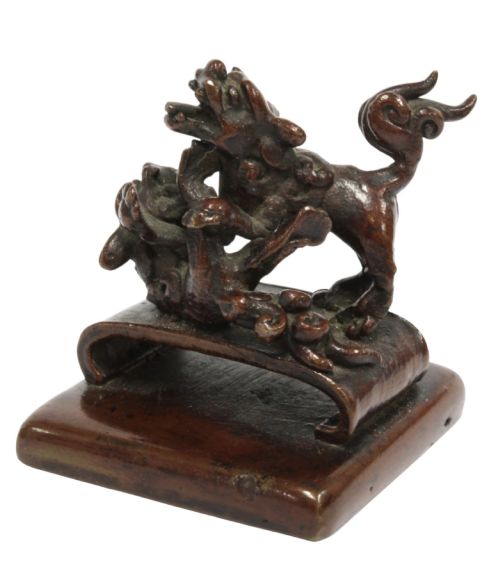
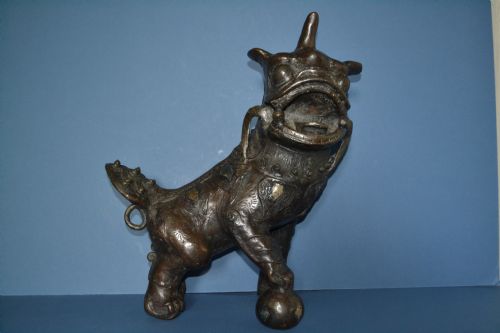
When you search for bronze foo lion, you encounter guardian figures, temple lions, and ritual vessels originating from Chinese, Tibetan, and Japanese traditions. These pieces include large temple pairs, scholar's seals, and censers topped with protective lion finials.
The versions you meet most frequently on this page date from the nineteenth century, reflecting Qing Dynasty aesthetics alongside Tibetan Buddhist art and Meiji period craftsmanship. Forms range from massive thirty-five kilogram temple guardians down to intimate desk seals and incense burners.
Makers and artisans across Asia shaped these bronzes to serve as symbolic protectors of sacred spaces and scholarly retreats. Their dynamic postures often feature one paw resting on a brocade ball or a playful cub.
Materials and construction
Foundry workers utilised traditional lost-wax casting methods to shape the heavy bronze and brass bodies of these guardian figures. Artisans then applied intricate patination, gilding, or gold inlay to define the muscular forms and curling manes.
Many examples incorporate supplementary decorative elements such as cloisonne enamel panels and glass inlay. Iron okimono pieces demonstrate alternative metalworking techniques applied by master sculptors during the nineteenth century.
Bronze Foo Lion Retail Price Guide 2026
Typical asking prices for bronze foo lion among the pieces listed under this phrase on Sellingantiques today, from the lower quarter to the upper quarter. They describe what is for sale here now, not the wider market.
Materials recorded across the inventory include bronze, brass, patinated iron, and cloisonne enamel with occasional gold and glass inlay.
Assessing quality and character
Weight and structural proportion distinguish monumental temple pairs from smaller domestic items. The depth of the patination and the precision of any gold inlay or cloisonne enamel work also mark the difference between standard workshop production and important sculptural output.
Unno Shomin
The Bronze Foo Lion Glossary
- Foo lion
- A traditional guardian figure, also known as a shishi or fu dog, modelled as a stylized lion. These creatures traditionally guard the gates of imperial palaces, temples, and tombs.
- Censer
- A vessel used for burning incense during ritual ceremonies or scholarly contemplation. Many feature a foo lion perched atop the removable lid as a finial.
- Cloisonne enamel
- A technique where decorative compartments are created on a metal surface by soldering flat metal wire to it. These spaces are then filled with coloured enamel paste and fired.
- Gilt bronze
- Metalwork coated with a thin layer of gold using mercury amalgamation or fire gilding techniques. This finish produces a luminous surface that endures across centuries.
- Okimono
- A Japanese freestanding display piece designed for interior decoration. These sculptures demonstrate the technical mastery of Meiji period metalworkers.
Bronze Foo Lion: Frequently Asked Questions
What is a bronze foo lion?
A bronze foo lion is a sculptural guardian figure modelled after traditional Asian temple lions. They symbolize protection, prosperity, and authority.
These objects appear as standalone temple statues, decorative door hardware, or functional censers designed to hold burning incense.
How were temple lions used?
Temple lions traditionally stood in pairs outside sacred buildings, palaces, and official residences to ward off malevolent spirits. Domestic versions served similar protective roles inside the home.
Smaller variants functioned as scholar's desk items, paperweights, or handles on ritual incense burners.
How do I date a bronze foo lion?
Dating relies on examining the casting technique, alloy composition, surface patination, and stylistic markers associated with specific periods like the Qing Dynasty or Meiji period. Nineteenth-century examples often display deep patination and characteristic tool marks from traditional workshops.
Inscriptions, reign marks, or specific regional artistic traditions also help narrow down the production era.
Where should I place a temple lion?
Temple lions suit prominent display locations such as entrance halls, mantelpieces, or studies where their substantial weight and detailed casting can be appreciated. Pairs look effective flanking a doorway or placed symmetrically on a heavy piece of furniture.
Ensure the supporting surface can handle the significant weight of larger bronze or iron sculptures.