



Bronze Floral Stand
A bronze floral stand brings refined botanical display indoors, offering a structured pedestal for blooms crafted in durable metal.
Bronze Floral Stand
A bronze floral stand encompasses decorative plant holders, jardinière tables, and pedestals designed to elevate greenery and floral arrangements within domestic interiors. These items emerge primarily from the nineteenth century, spanning Victorian, Edwardian, and specific continental revivals.
Buyers encountering this search phrase frequently meet French Louis XV style jardinière stands, occasional tables, and mounted planters featuring cast metallic frames. The forms combine functional plant containers with sculptural metalwork, utilising materials such as ormolu and kingwood.
Originating across diverse aesthetic movements including Art Nouveau and French Empire, these stands reflect period horticultural interests. The selection ranges from tall freestanding display columns to low tableaus designed to hold heavy ceramic or glass bowls.
How they were made
Construction relies heavily on bronze casting, often enhanced through gilt bronze or ormolu finishes that provide a rich golden lustre. Artisans shaped these metallic components alongside cabinet woods like walnut and kingwood.
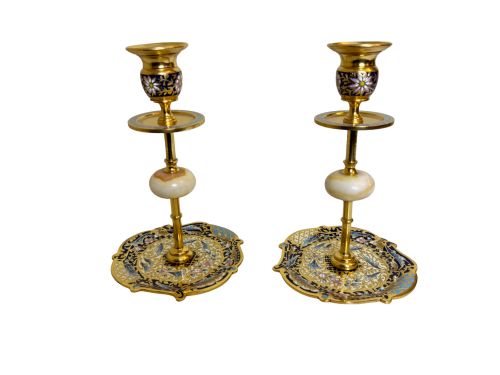
Decorative details incorporate champlevé enamel, onyx elements, and inset porcelain panels. Metal mounts secure glass, velvet, and timber sections together to form robust display surfaces.
Bronze Floral Stand Retail Price Guide 2026
Typical asking prices for bronze floral stand among the pieces listed under this phrase on Sellingantiques today, from the lower quarter to the upper quarter. They describe what is for sale here now, not the wider market.
Materials recorded on this page include ormolu, champlevé enamel, onyx, kingwood, and glass.
What varies in quality
The definition of the cast metalwork separates standard production from superior pieces, with sharper chisel work and deeper chasing distinguishing finer examples. Heavier gauge bronze provides greater stability and longevity to tall stands.
Integration of secondary materials such as marquetry, porcelain birds, and champlevé enamel demonstrates higher workshop capability. The consistency of the gilding and the precision of the joints dictate the overall refinement of the piece.
Abel Landry·Marti
The Bronze Floral Stand Glossary
- Ormolu
- Gilded bronze produced by applying a mercury and gold amalgam to a bronze base, then firing to leave a rich metallic coating. This technique creates the bright golden finish seen on many nineteenth century decorative mounts.
- Champlevé enamel
- A technique where troughs or cells are hollowed out of the metal surface and filled with vitreous enamel before firing. It produces vibrant coloured patterns embedded directly into the bronze structure.
- Jardinière
- A decorative container or stand specifically made for holding plants and flowers. These vessels often feature waterproof liners and elaborate exterior mounts.
- Kingwood
- A dense, richly grained tropical timber utilised for fine cabinet making and decorative veneers during the nineteenth century. It frequently appears alongside gilt metal mounts on plant stands.
- Tazza
- A shallow saucer shaped vessel raised on a stem and foot, used historically for display or serving. In bronze, these take the form of decorative footed bowls.
Bronze Floral Stand: Frequently Asked Questions
What is a bronze floral stand used for?
These stands are designed to elevate and display potted plants, cut flowers, or decorative bowls within a room. They provide a sturdy platform that protects interior surfaces while adding a decorative sculptural element to the space.
Historically, they occupied prominent positions in drawing rooms and hallways to bring botanical displays indoors. Today, they serve a similar decorative purpose in traditional and eclectic interiors.
How do I care for gilt bronze?
Gilt bronze requires gentle maintenance to preserve the delicate metallic surface layer. Dusting with a soft, dry cloth prevents the accumulation of grime without risking abrasion to the finish.
Avoid chemical polishes or abrasive cleaners, which can strip away the historical gilding. Professional conservation is recommended for deep cleaning or structural repairs.
How can I tell Victorian from Edwardian stands?
Victorian pieces often display heavier ornamentation, dense timber veneers, and complex revival styles such as French Rococo or Second Empire. The forms tend to be robust and richly embellished with varied materials.
Edwardian items frequently lean towards lighter proportions and cleaner lines, occasionally incorporating Art Nouveau organic curves. Examining the specific styling and secondary woods helps clarify the period of manufacture.