



Bronze Finish Spelter
Bronze finish spelter brings sculptural presence into a room, offering the visual weight of metal through accessible 19th and early 20th century figures and lighting.
Bronze Finish Spelter
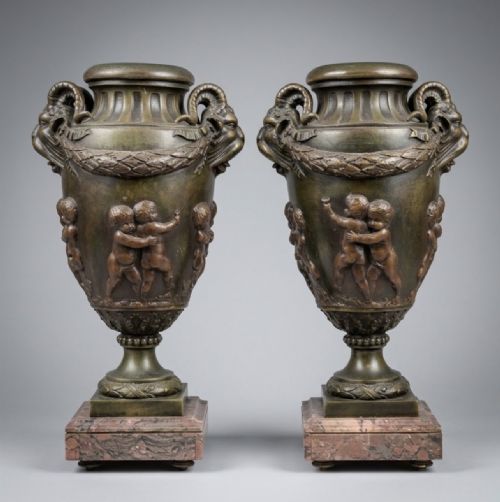
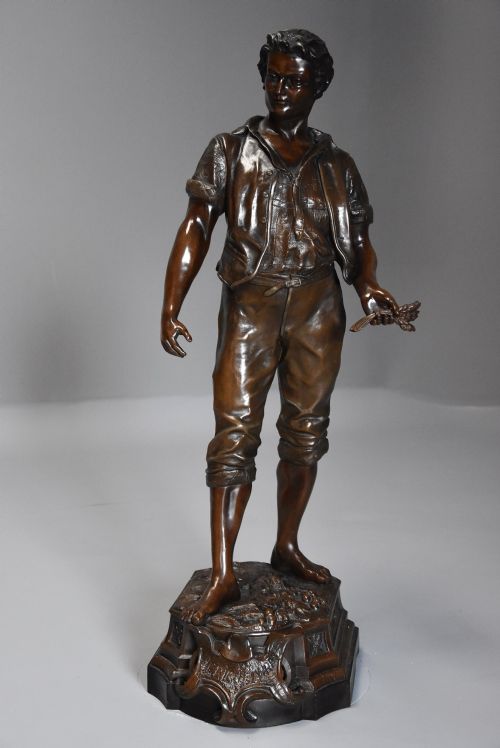
When you search for bronze finish spelter, you encounter decorative objects designed to imitate more expensive cast bronzes from the nineteenth and twentieth centuries. These pieces encompass figural statues, table lamps, candlesticks, and decorative urns created in France and Britain across several decades.
The domestic interiors of the nineteenth century and the early twentieth century embraced these figures and lamps as affordable alternatives to high-end bronze casting. You are most likely to meet female models, figures of soldiers or farm labourers, and figural statues mounted on marble or onyx bases.
Makers drew upon diverse aesthetic movements, producing items in styles ranging from French Historicism and Gothic Revival to Art Nouveau and Art Deco. These varied forms demonstrate how widely manufacturers utilised the alloy to supply demand for decorative household sculpture.
Materials and production methods
The primary material is spelter, a zinc-based alloy that melts at lower temperatures than bronze and takes fine detail during casting. Manufacturers often applied a bronze finish or bronze patina to the surface of the metal to simulate genuine bronze.
Many sculptures and lamps incorporate heavy stone components, standing upon bases formed from marble, onyx, or alabaster. Lighting pieces frequently integrate fabric elements or specialised holders to support functional bulbs and shades.
Bronze Finish Spelter Retail Price Guide 2026
Typical asking prices for bronze finish spelter among the pieces listed under this phrase on Sellingantiques today, from the lower quarter to the upper quarter. They describe what is for sale here now, not the wider market.
Medieval characters on stilts occasionally appear in spelter, proving that nineteenth century casting found room for unexpected whimsy.
Assessing quality in spelter items
Mounting and material choices elevate certain pieces, particularly those set on substantial bases of Verdi green marble or onyx rather than plain metal or wood. The integration of functional elements in lamps and candlesticks reveals the care taken by the original maker.
F.Milliot·Moreau
The Bronze Finish Spelter Glossary
- Spelter
- A zinc-based alloy commonly used for decorative figures and lamps as an inexpensive substitute for bronze. It is softer and lighter than true bronze.
- Patina
- The surface coloration and finish applied to metal to simulate age or mimic genuine bronze. This finish can range from a warm brown tone to darker metallic hues.
- Verdi green
- A deep green marble variety often utilised for bases under French figural sculptures. It provides a stable and decorative plinth for the metalwork.
- Art Nouveau
- An ornamental style popular around nineteen hundred characterised by flowing, organic lines and floral motifs. Figures from this period often feature stylized hair and drapery.
Bronze Finish Spelter: Frequently Asked Questions
What is bronze finish spelter?
Bronze finish spelter refers to objects cast from a zinc alloy and treated with a surface coating to look like traditional bronze. These items were produced across the nineteenth and early twentieth centuries.
They served as decorative ornaments, lamps, and candlesticks for homes that could not afford costly bronze statuary.
How do I care for spelter lamps?
Keep spelter lamps away from moisture and direct heat to protect the metal alloy and the applied surface finish. Dust them gently with a soft dry cloth.
Avoid liquid cleaners or polishes that might strip away the original bronze finish or patina.
How can I tell the period of a piece?
Stylistic clues such as flowing Art Nouveau lines or geometric Art Deco forms help date these items. The presence of period bases like Verdi green marble also indicates the era of manufacture.
Signatures or stamps on the metal or marble can sometimes point to specific sculptors or foundries active between eighteen eighty and nineteen thirty.
Are these items heavy?
Spelter itself is relatively light compared to bronze, but many pieces gain considerable weight from their stone bases. Items mounted on solid marble or onyx require sturdy furniture support.
Large figures, urns, and lamps incorporate these heavy bases to ensure stability.