






Bronze Figure of Venus
A bronze figure of venus brings classical mythology into the room through cast metal and marble bases.
Bronze Figure of Venus
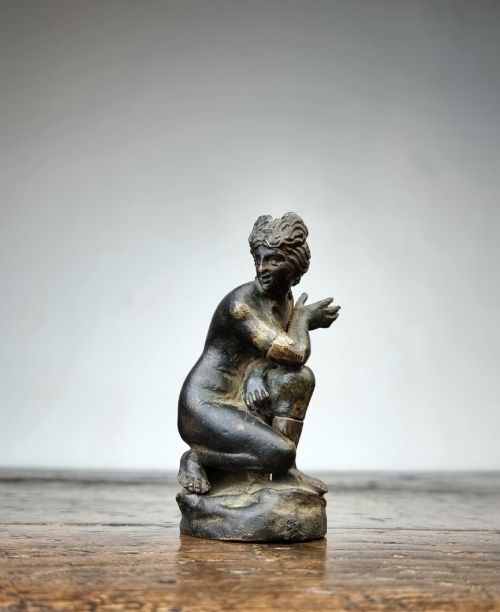
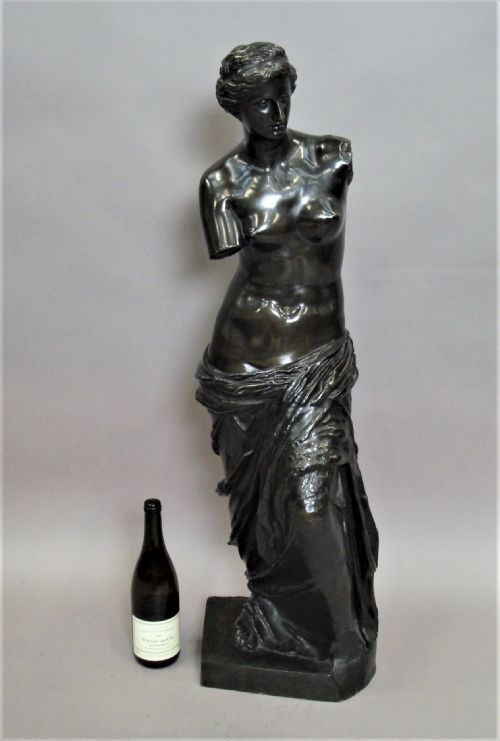
A bronze figure of venus represents the goddess of love through classical forms, predominantly taking the shape of reductions after the antique such as the Venus de Milo and crouching variants. These sculptures span multiple centuries, with nineteenth-century examples and Grand Tour souvenirs forming the core of what appears here.
Makers and foundries translated ancient sculpture into domestic scale using patinated bronze and marble plinths. Buyers encounter both French studio casts and Italian souvenir pieces designed for nineteenth-century travellers.
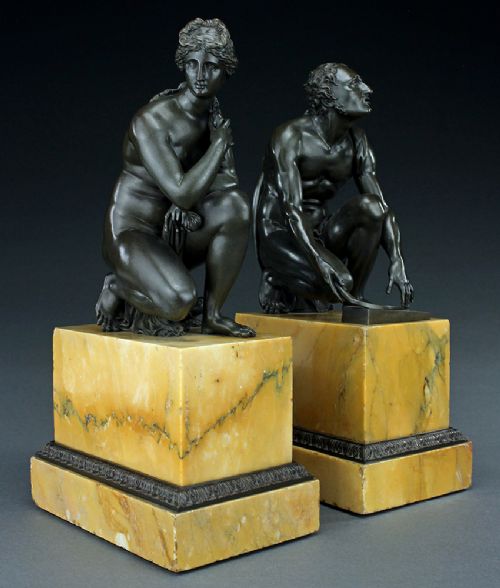
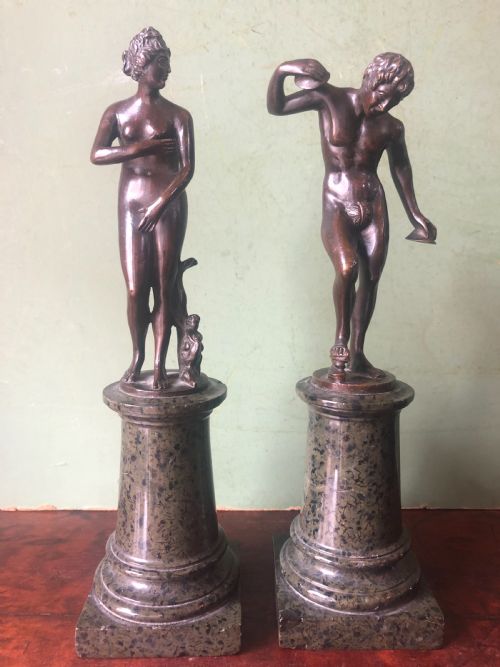
The sculptural forms divide between standing interpretations like Venus au Bain and squatting compositions derived from classical statuary. Most examples rest upon dedicated bases of Siena marble or similar stone.
How they were made
Foundries utilised traditional casting methods in bronze and brass, applying dark or patinated finishes to mimic ancient metalwork. These surfaces often receive chemical patination to create subtle tonal shifts across the drapery and skin.
Sculptures are frequently mounted onto heavy marble bases, including Siena marble, using threaded pins or internal fixings. This combination of cast metal and stone provides both physical stability and a neoclassical display aesthetic.
Bronze Figure of Venus Retail Price Guide 2026
Typical asking prices for bronze figure of venus among the pieces listed under this phrase on Sellingantiques today, from the lower quarter to the upper quarter. They describe what is for sale here now, not the wider market.
Listings feature works spanning the seventeenth through the twentieth centuries, utilising patinated bronze, cast brass, and Siena marble.
What varies in quality
The sharpness of the cast distinguishes finer reductions from commercial souvenirs, particularly in the rendering of hair, hands, and drapery folds. Superior examples retain crisp anatomical detail without the softening that occurs in worn or secondary moulds.
Surface patination and the quality of the marble mount indicate the original workshop tier. Rich, varied patination combined with dense, figured stone elevates a piece above standard decorative foundries.
Ferdinand Barbedienne·Ferdinando de Luca
The Bronze Figure of Venus Glossary
- Patinated bronze
- Bronze that has been chemically treated to alter its surface colour, usually achieving a dark brown or greenish tone. This treatment protects the metal and mimics ancient patination.
- Grand Tour
- A traditional trip through Europe undertaken by upper-class young men in the eighteenth and nineteenth centuries. Souvenirs from these journeys included small bronze reductions of famous classical sculptures.
- Reduction
- A scale copy of a larger sculpture, often produced in bronze during the nineteenth century. These allowed collectors to own manageable versions of famous museum pieces.
- Siena marble
- A yellow decorative limestone from Italy featuring dark grey or purple veins. It frequently appears as a contrasting base for nineteenth-century bronzes.
Bronze Figure of Venus: Frequently Asked Questions
What is a Grand Tour bronze?
A Grand Tour bronze is a small souvenir sculpture purchased by travellers in Italy during the nineteenth century. These pieces replicated famous ancient statues found in European museums.
Foundries in Paris and Rome produced these reductions for travellers wanting classical art in their homes. They usually featured patinated metal mounted on stone bases.
How do I identify a Venus de Milo figure?
A Venus de Milo figure is recognised by the missing arms and the draped garment falling from the hips. It derives from the famous ancient Greek sculpture discovered on the island of Milos.
Nineteenth-century reductions capture this specific posture and drapery arrangement in cast bronze. They often stood on marble plinths as library or mantel ornaments.
Are these figures solid bronze?
Many nineteenth-century sculptures were cast using the hollow bronze method rather than being solid metal. This technique saved weight and material while maintaining structural strength.
Foundries used internal armature or core supports during the casting process. Brass elements also appear in secondary components or associated mountings.
Why do some bronzes have marble bases?
Marble bases provided visual weight and a neoclassical display standard for small cabinet sculptures. Siena marble and other decorative stones complemented the dark patination of the metal.
Sculptures were attached to these stone plinths using pins or bolts through the base. This method kept light statuettes stable on furniture surfaces.