







Bronze Desk Decor
Bronze desk decor brings utility and sculpture to a workspace, offering solid metal forms from the nineteenth and twentieth centuries.
Bronze Desk Decor
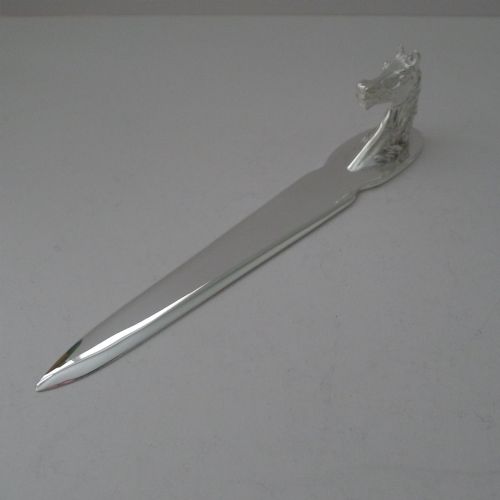
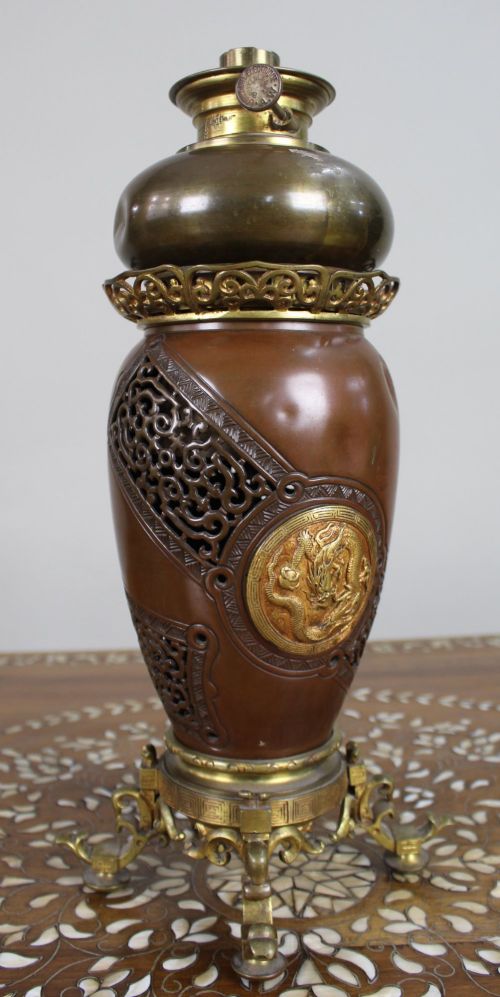
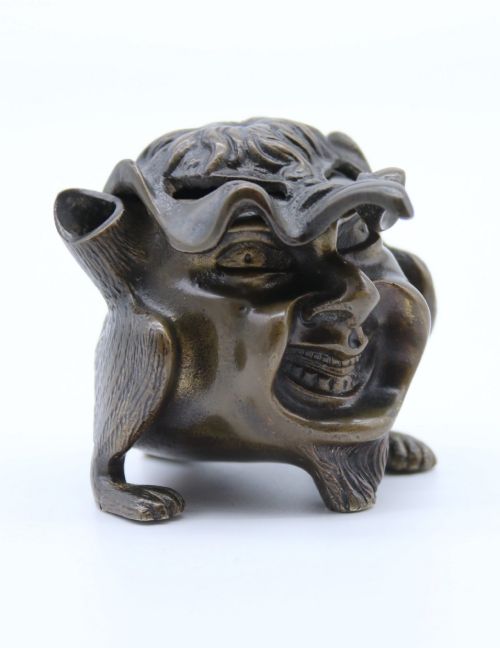
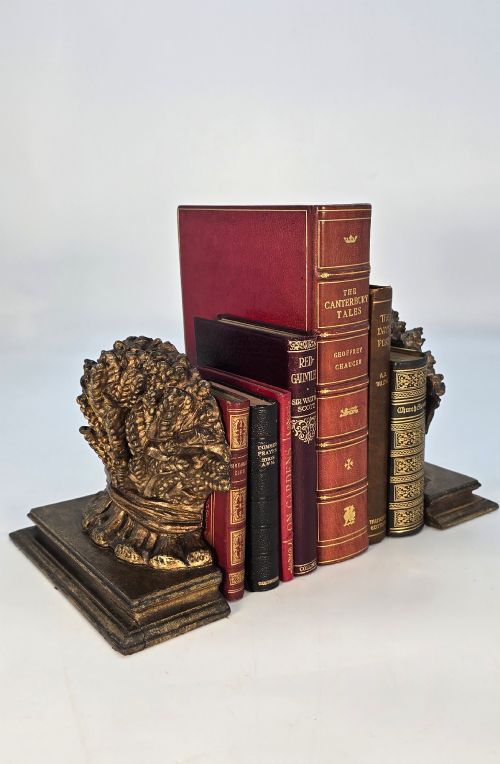
When you search for bronze desk decor, you encounter functional items and desk ornaments produced across the nineteenth and twentieth centuries. These objects combine metalwork with practical utility, serving as inkwells, inkstands, candlesticks, and bookends.
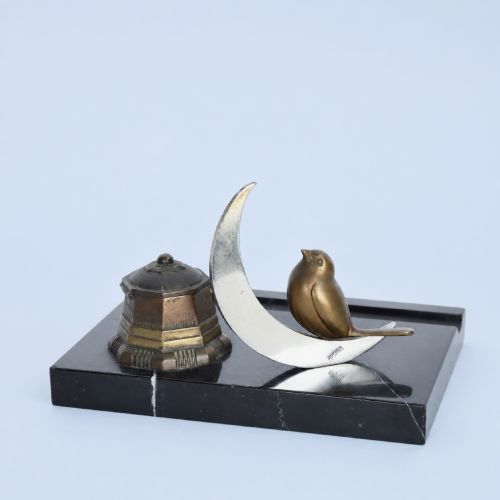
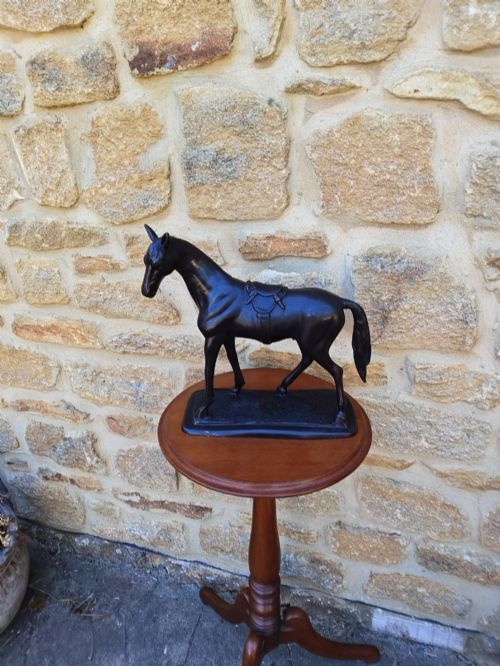
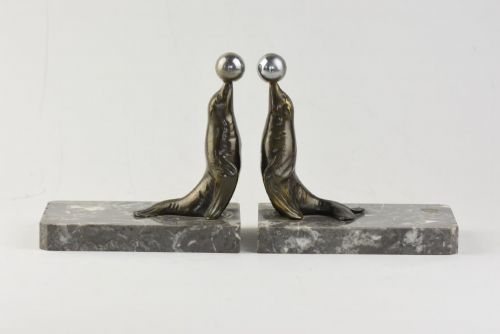
The selections available here lean heavily into figural and architectural desk items, ranging from Regency period candlesticks to Art Deco animal sculptures and marble-mounted tidies. Animalier subjects, literary busts, and maritime pieces dominate the forms you meet.
Makers from various European origins created these items to occupy prominent positions on libraries and writing tables. They reflect the aesthetic priorities of periods including the Regency, Art Nouveau, and Art Deco movements.
What varies in quality
The crispness of the casting defines the upper tier of these desk pieces, where fine details in feathers, fur, and facial expressions remain sharp. Heavy materials like solid marble bases and genuine gilt bronze indicate a higher standard of original production.
Simpler cast metal items or later reproductions lack the depth of hand-finished patination found on period examples. The integration between the bronze sculpture and its stone or wood mount determines the structural integrity of the piece.
Bronze Desk Decor Retail Price Guide 2026
Typical asking prices for bronze desk decor among the pieces listed under this phrase on Sellingantiques today, from the lower quarter to the upper quarter. They describe what is for sale here now, not the wider market.
Listings feature bronze desk decor spanning from the nineteenth century through the Art Deco period of the 1930s.
Feridah Francis Forbes Taylor
The Bronze Desk Decor Glossary
- Animalier
- A nineteenth-century artistic movement focused on the realistic portrayal of animals, frequently cast in bronze.
- Champlevé
- An enamelling technique where troughs are carved into the metal surface and filled with vitreous enamel before firing.
- Patinated
- Treated metal surfaces showing aged coloration achieved through chemical applications or natural wear over decades.
- Inkstand
- A fitted tray or stand holding inkwells, pen holders, and sanders for a traditional writing desk.
Bronze Desk Decor: Frequently Asked Questions
How do I clean bronze?
Dust bronze objects gently with a soft, dry brush to prevent the accumulation of dirt in recessed details. Avoid using abrasive commercial metal polishes that strip away historical patina.
Marble bases can be wiped with a slightly damp cloth and dried immediately. Keep wooden elements away from excessive moisture.
How do I date these items?
Dating relies on stylistic markers, material combinations, and casting techniques characteristic of specific eras. Art Deco pieces often feature geometric lines and black marble plinths, while Regency items display classical motifs.
Signatures, foundry marks, and underlying construction methods help narrow down the period of manufacture. Compare the mounting style and patina with known examples from the same decade.
Where were these pieces used?
These items were built for studies, libraries, and private offices of affluent homes and institutions. Inkstands and candlesticks served daily writing needs before the widespread adoption of modern lighting and ballpoint pens.
Bookends and sculptures functioned to organise heavy volumes and decorate executive desks. Wealthy owners displayed them to signal taste and education.