

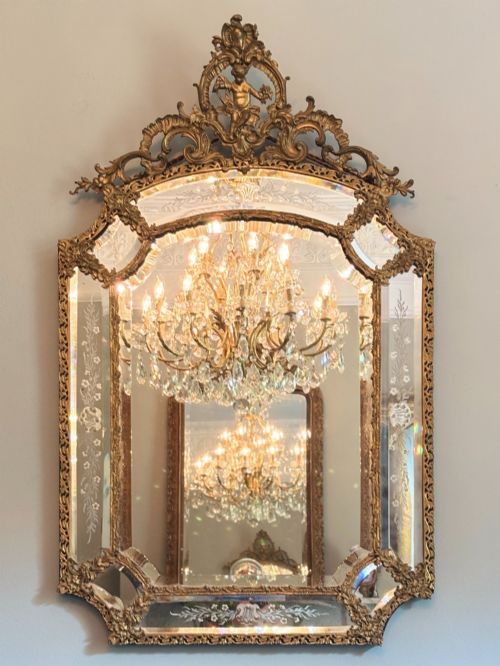
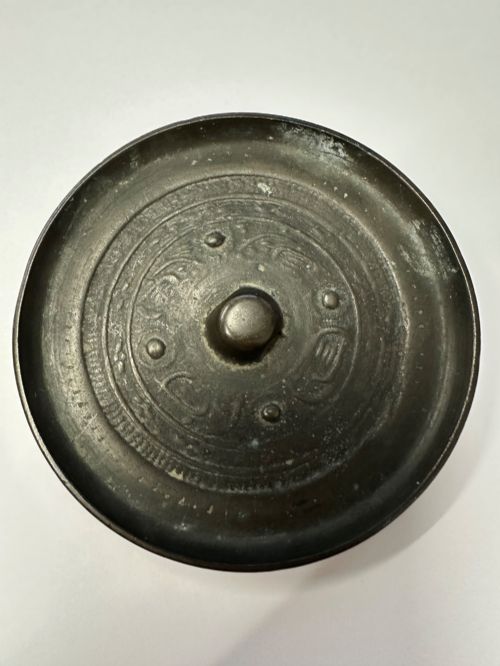
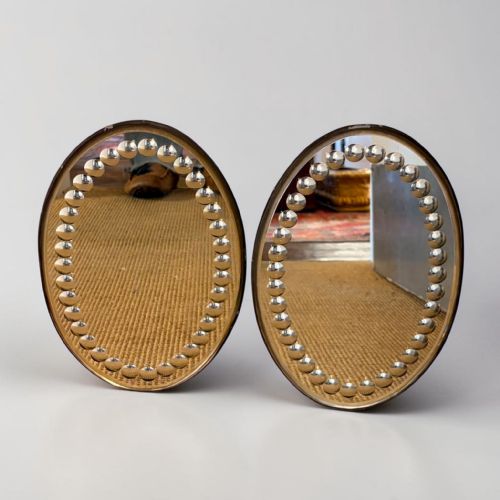
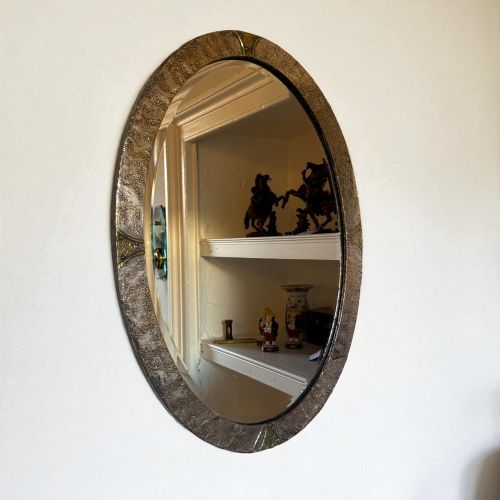
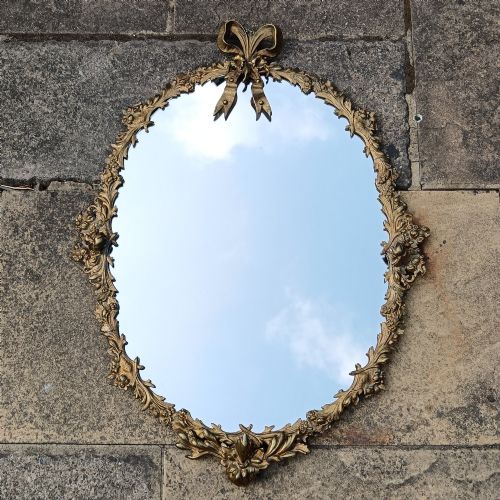
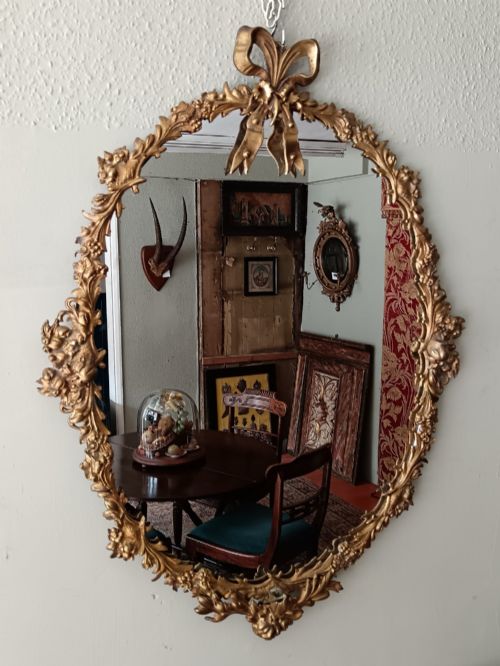


Bronze Decorative Mirror
These bronze decorative mirror pieces bring tactile weight and reflective depth to a room, drawing the eye with period craftsmanship.
Bronze Decorative Mirror
A bronze decorative mirror spans domestic looking glasses and wall fixtures formed from metal, glass, and wood, drawing on periods from the nineteenth century to earlier centuries. Buyers searching for a bronze decorative mirror encounter wall mirrors, table mirrors, and vanity mirrors shaped by revival aesthetics and modernist lines.
The most frequent examples on this page are nineteenth-century French wall mirrors and Edwardian pieces, often finished in gilt bronze or patinated metal. These objects combine utilitarian glass with decorative metal frames suited to interior display.
How they were made
Frames combine cast bronze, gilt bronze, brass, and patinated metal with glass and wood supports. Makers employed casting, hammering, and gilding techniques to shape intricate Louis XVI, Rococo, and Arts and Crafts designs.
Surfaces receive patination or gilding over bronze or brass bases, while glass components include bevel-edged mirror plates secured within heavy metal mounts.
Bronze Decorative Mirror Retail Price Guide 2026
Typical asking prices for bronze decorative mirror among the pieces listed under this phrase on Sellingantiques today, from the lower quarter to the upper quarter. They describe what is for sale here now, not the wider market.
Some mirrors double as sorcerers, reflecting more than just the room.
What varies in quality
Quality rests in the crispness of the metal casting and the depth of the original gilding or patination. Finer examples show sharp relief in ornamental motifs like scrolls and figures rather than soft or blurry contours.
The integrity of the frame construction and the clarity of the mirror glass distinguish superior pieces from standard production. Substantial weight and secure joints indicate careful workshop assembly.
The Bronze Decorative Mirror Glossary
- Gilt bronze
- Bronze coated with a thin layer of gold or gold-coloured finish. This technique adds a bright metallic sheen to decorative frames.
- Patinated metal
- Metal treated to produce a darkened or aged surface colour. It highlights the texture of the material beneath.
- Bevel-edged mirror
- Glass with edges cut and polished to an angled slope. This detail catches the light and frames the reflection.
- Spelter
- A zinc alloy used as a substitute for bronze in decorative figures. It is lighter and softer than true bronze.
Bronze Decorative Mirror: Frequently Asked Questions
How do I hang a heavy bronze wall mirror safely?
Check the weight distribution of the metal frame and ensure the hanging wire or brackets are securely anchored to the wall structure.
Use heavy-duty fixings suited to the wall type to support the substantial weight of bronze and glass safely.
Can I place a table mirror in a bathroom?
High humidity and moisture can damage antique metal patination and the backing of older mirror glass over time.
Keep these pieces in dry living spaces or hallways to preserve the original metal surfaces and glass integrity.
How should I clean a patinated bronze frame?
Dust gently with a soft dry cloth to remove surface particles without disturbing the aged metal finish.
Avoid abrasive cleaners and chemical polishes that strip away the original patina or gilding.
What is the difference between gilt bronze and brass?
Gilt bronze consists of a copper and tin alloy with a gold surface treatment, while brass is an alloy of copper and zinc.
Bronze generally yields sharper cast details and a heavier feel compared to standard brass.