




Bronze Art Decor
Bronze art decor brings character into a room through cast metal sculptures, desk pieces and wall plaques spanning the Victorian era to Art Deco.
Bronze Art Decor
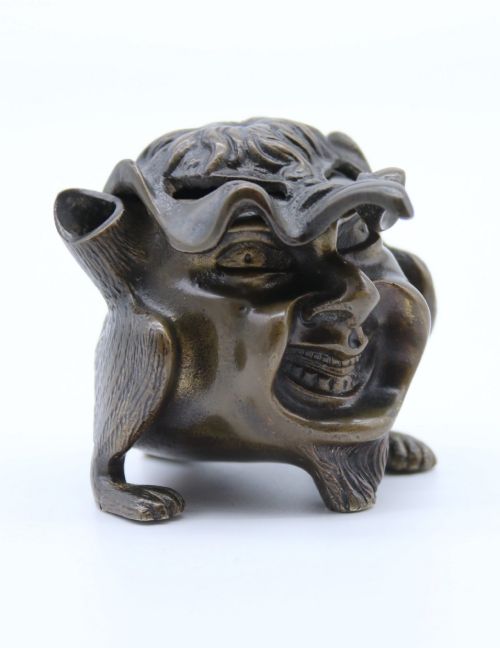
Bronze art decor encompasses a varied selection of ornamental objects, ranging from fireplace fenders and desk tidies to animal and human sculptures. When you search for bronze art decor, you encounter everything from French Empire roundels and Indo-Persian wall plaques to Western American equestrian figures and Victorian portrait panels.
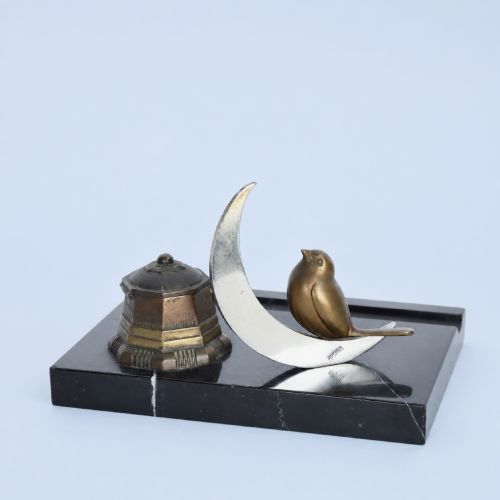
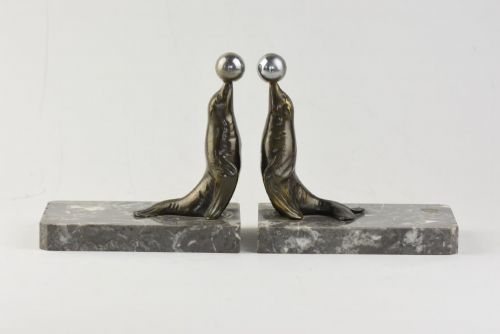
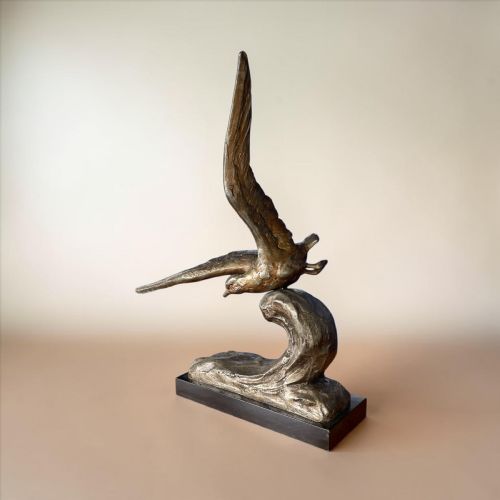
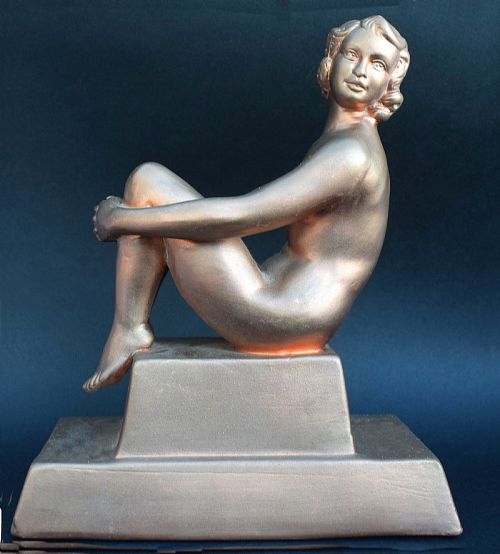
Art Deco pieces dominate the aesthetic on this page, frequently featuring stylised animals such as albatrosses, panthers, deer and sealions alongside female nude figures. These items serve functional roles as inkwells, bookends, thermometers and desk accessories as well as purely decorative wall reliefs and statues.
The objects stretch across multiple periods, including the nineteenth century, Victorian era, and the early decades of the twentieth century. Makers and artists such as E F Caldwell New York and Michel Decoux contribute to the heritage visible in these listings.
Materials and construction methods
Foundries utilised traditional casting techniques to shape bronze, cast metal, and gilt bronze into intricate forms and reliefs. Artisans combined these metallic elements with contrasting bases and surrounds made from black marble, onyx, mahogany and glass.
Surface treatments and patination defined the finish of each piece, from the dark patinated tones on animal sculptures to the gilt highlights on neoclassical fenders and French Empire roundels. Wood-turners provided custom mahogany frames for mounted roundels, while stonemasons cut and polished marble and onyx for desk tidies and bookend bases.
Bronze Art Decor Retail Price Guide 2026
Typical asking prices for bronze art decor among the pieces listed under this phrase on Sellingantiques today, from the lower quarter to the upper quarter. They describe what is for sale here now, not the wider market.
Shakespeare shares shelf space with sealions and albatrosses in the bookend department.
Distinctions in quality
The standard of an item rests upon the crispness of the casting and the fidelity of the sculptural detail. Finer works exhibit sharp definition in feathers, musculature and facial expressions, whereas simpler cast metal or spelter pieces often show softer contours.
The integration of materials dictates the finish of the piece, particularly where bronze meets marble, onyx or turned wood. Superior examples display secure mounts, balanced proportions and thoughtful pairing of materials like gilt bronze and carved stone.
E F Caldwell New York·Michel Decoux
The Bronze Art Decor Glossary
- Dore bronze
- Bronze that has been treated with an applied mercury gilt finish, producing a bright gold surface. This technique was widely utilised in nineteenth-century decorative metalwork.
- Spelter
- An alloy of zinc and lead often used as a cost-effective alternative to bronze in decorative figures and bookends. It frequently received a bronze-coloured paint finish to mimic genuine metal.
- Roundel
- A circular decorative panel or plaque, frequently cast in metal or framed in turned wood. These items often depicted historical portraits or classical motifs.
- Patina
- The surface sheen and colour acquired by bronze over time through oxidation and handling. A stable patina indicates age and composition.
- Desk tidy
- A desk accessory designed to hold pens, inkwells and small stationery items. They were commonly set upon marble or onyx bases during the Art Deco period.
Bronze Art Decor: Frequently Asked Questions
How do I clean bronze decor?
Dust the surface gently with a soft, dry cloth to remove everyday particles. Avoid using harsh chemical cleaners or polishes that can strip away the original patination.
For pieces mounted on marble or wood, take care to keep liquids away from the joints. Professional conservation is advised if deeper cleaning becomes necessary.
Are these items solid bronze?
The inventory includes items cast in solid bronze alongside pieces made from cast metal, spelter and gilt bronze. Material descriptions in each listing clarify the primary metal used.
Heavier items often combine bronze figures with stone or marble bases, while other decorative objects employ plated alloys.
Where were these pieces made?
The selection includes European, American and Asian origins, reflecting workshops in France, England, New York and Indo-Persian regions. French and American foundries produced many of the twentieth-century sculptures and desk accessories.
Nineteenth-century items often reflect regional revival styles popular in Britain and continental Europe.
How can I date an Art Deco piece?
Art Deco items on this page typically date from the 1920s and 1930s, identifiable through stylised geometric forms and depictions of animals or figures. Materials like black marble and onyx bases point directly to this period.
Signatures or foundry marks can also help pinpoint the exact decade of manufacture.