



Bronze Antiquities
These bronze antiquities bring classical sculpture, ritual vessels and scholars' objects into your study.
Bronze Antiquities
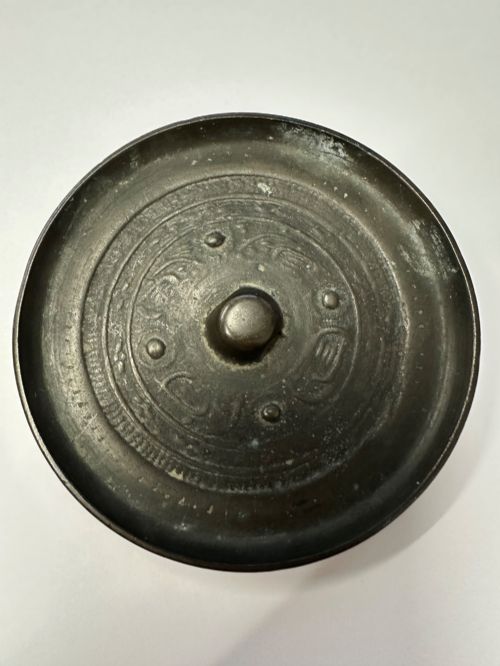
Bronze antiquities encompass a diverse range of metalwork spanning multiple centuries and continents, from ancient Chinese mirrors and ritual vessels to European Grand Tour busts. When you search for bronze antiquities, you encounter items shaped by varied cultural traditions, including Western Han, Ming, and Qing Dynasty pieces alongside Neoclassical European works.
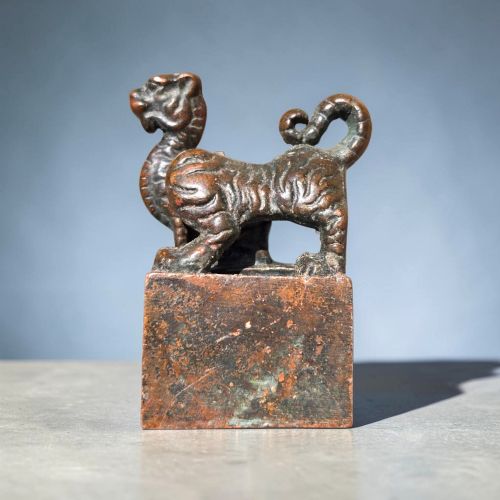
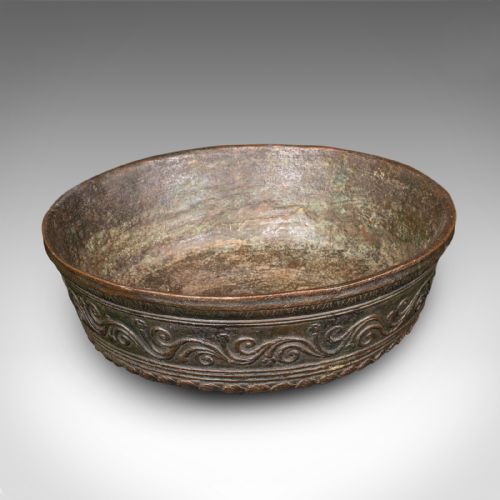
The objects appearing on this page range widely in form and purpose, taking the shape of sculptures, decorative bowls, vases, incense burners, scholar's seals, and mortar and pestle sets. You are most likely to meet nineteenth-century Grand Tour souvenirs alongside earlier Asian ritual bronzes, reflecting both European classical revival and Eastern craftsmanship.
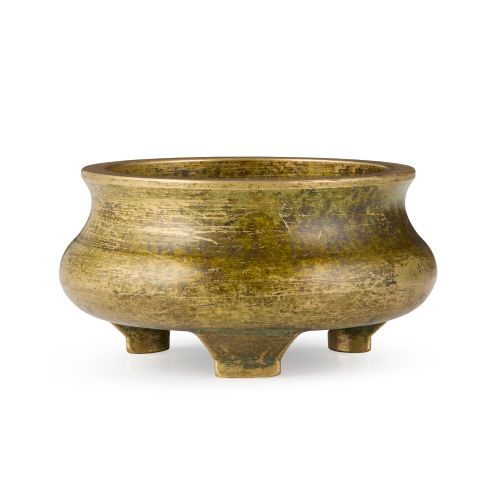
European examples lean heavily towards classical mythology and portraiture, featuring figures such as Ajax, Hypnos, and King Menelaus of Sparta. Meanwhile, pieces originating from East Asia emphasise scholarship and ritual, including tripods, mirrors, and scholar's studio items.
How they were made
Makers utilised casting techniques suited to the period and region, employing copper alloy and bronze to achieve durable forms. Surfaces often received specific treatments, resulting in patinated bronze, verdigris finishes, or gilt bronze highlights.
Some items incorporate secondary materials to complement the metalwork, such as marble bases supporting sculptural busts or wooden elements within scholar's objects. The interaction between the base metal and its applied patina defines the tactile quality of each piece.
Bronze Antiquities Retail Price Guide 2026
Typical asking prices for bronze antiquities among the pieces listed under this phrase on Sellingantiques today, from the lower quarter to the upper quarter. They describe what is for sale here now, not the wider market.
Listings feature items from the nineteenth century alongside pieces dating before the sixteenth century, employing materials like bronze, marble, and copper alloy.
What varies in quality
The integrity and depth of the patina also influence the character of the object, with stable, rich surfaces holding greater appeal than flat or compromised finishes. Furthermore, the quality of any associated marks, such as scholar's studio stamps, adds context and distinction.
The Bronze Antiquities Glossary
- Patinated bronze
- Bronze that has developed a surface coating or coloration through age or intentional chemical treatment. This layer protects the metal and provides varied hues.
- Grand Tour
- A cultural journey undertaken by wealthy young Europeans in the eighteenth and nineteenth centuries to study classical art. Souvenirs from these travels included small bronze busts and figures.
- Tripod censer
- A three-legged vessel used for burning incense. These forms appear in various historical Asian traditions.
- Western Han Dynasty
- A significant historical period in China associated with early metalwork and mirrors. Pieces from this era exhibit distinct archaic characteristics.
- Scholar's object
- An item created for the desk of a traditional East Asian scholar. These objects include seals, brush pots, and small vessels.
Bronze Antiquities: Frequently Asked Questions
What is a Grand Tour bronze?
Grand Tour bronzes are nineteenth-century souvenirs modelled on ancient Greek and Roman sculptures. Travellers collected these miniature busts and figures to display their classical learning at home.
Subjects typically include mythological figures, philosophers, and classical heroes like Menelaus and Ajax, cast in patinated or verdigris bronze.
How do I identify a ritual vessel?
Ritual vessels often feature specific shapes associated with ancient ceremonies, such as tripods or wine vessels with distinct legs and handles. They frequently carry reign marks or studio inscriptions.
These pieces reflect the ceremonial practices of periods such as the Ming and Qing Dynasties, prioritising symbolic forms and bronze casting.
What materials are used besides bronze?
While bronze forms the primary medium, pieces often incorporate patinated metal, copper alloy, and brass. Some sculptures utilise gilt bronze for decorative emphasis.
Additionally, European busts frequently feature marble bases, and scholar's objects may include wooden components to complement the metalwork.
How should I display these pieces?
Bronze antiquities suit stable surfaces away from direct moisture and extreme temperature fluctuations, allowing the patinated surfaces to remain secure. Placing them on desks, shelves, or tables highlights their sculptural forms.
Ensure that heavier items, such as marble-based busts, rest on sturdy furniture capable of supporting their weight safely.