

British Wood Art
British wood art brings together centuries of painted panels, carved wood supports and sculptural vernacular objects created across the British Isles.
British Wood Art
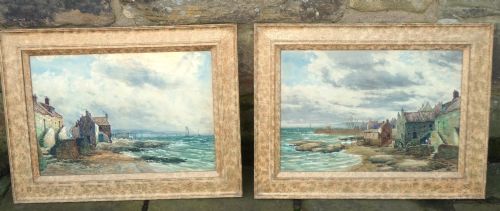
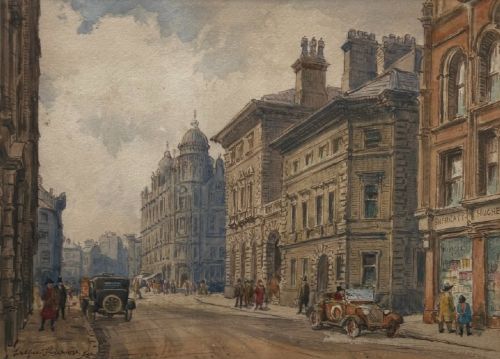
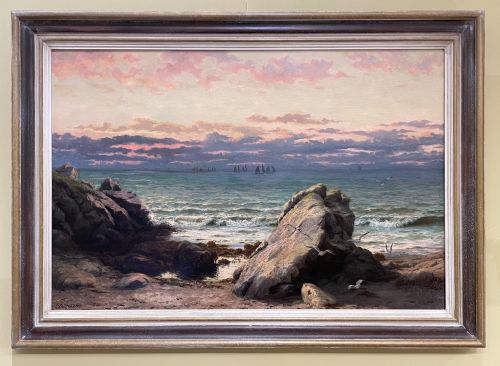
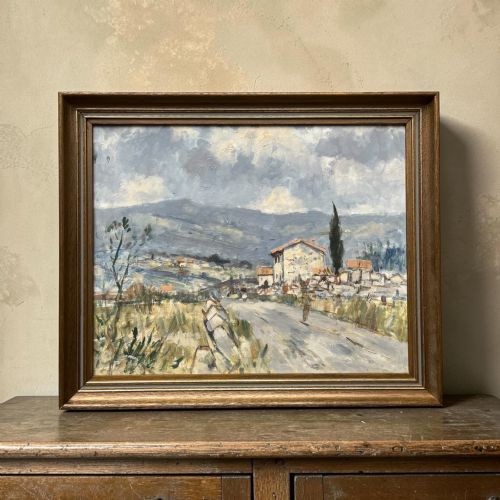
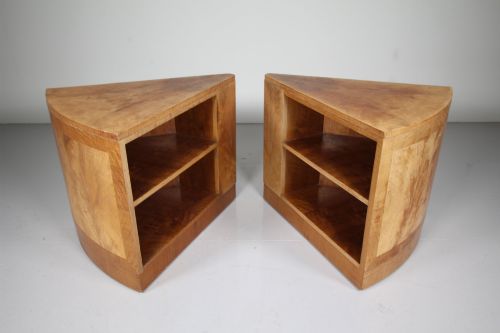
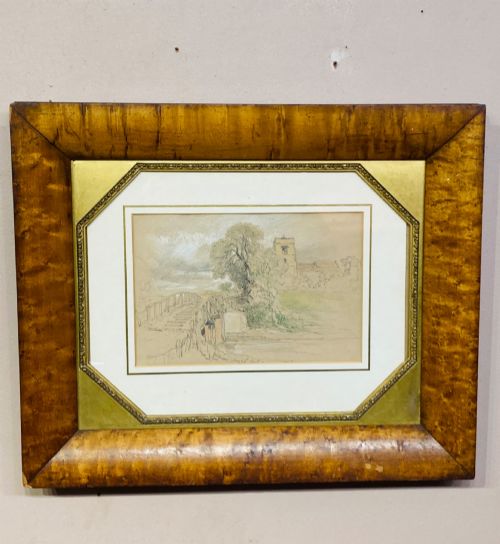
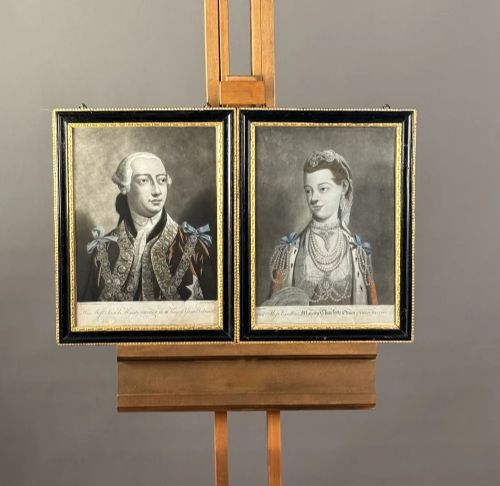
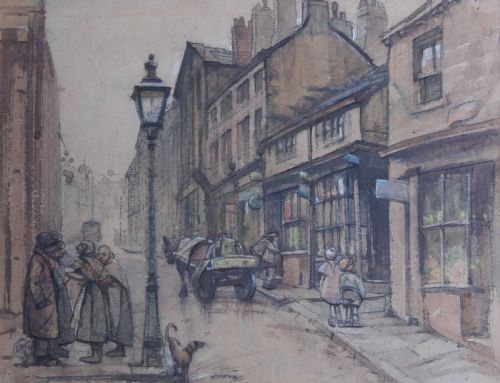
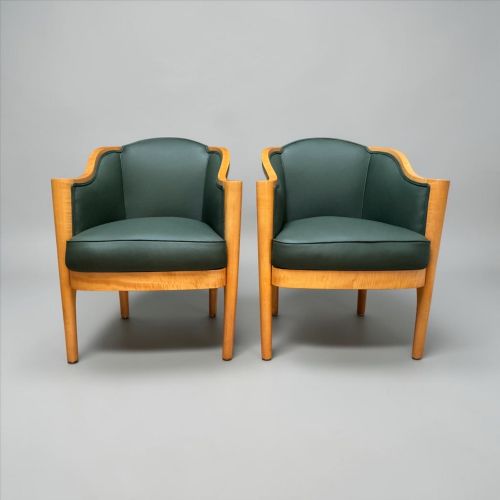
When you search for british wood art, you encounter a diverse gathering of oil paintings on wood panel, wooden boards, and sculptural items rooted in British craftsmanship.
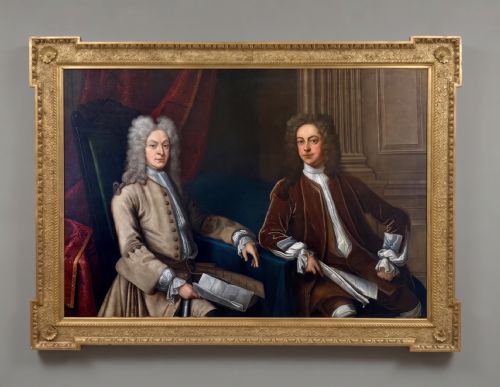
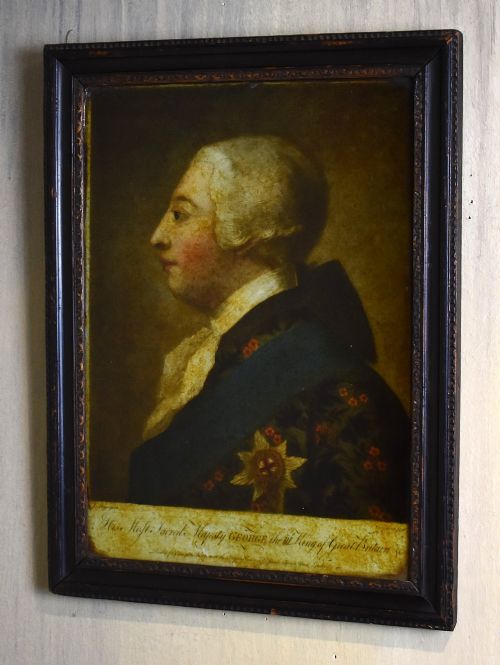
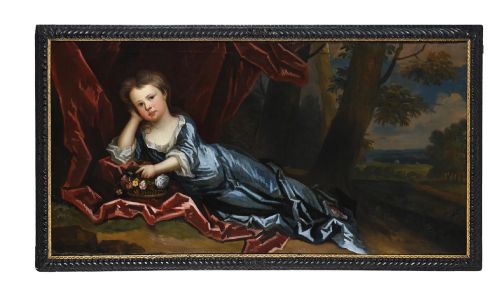
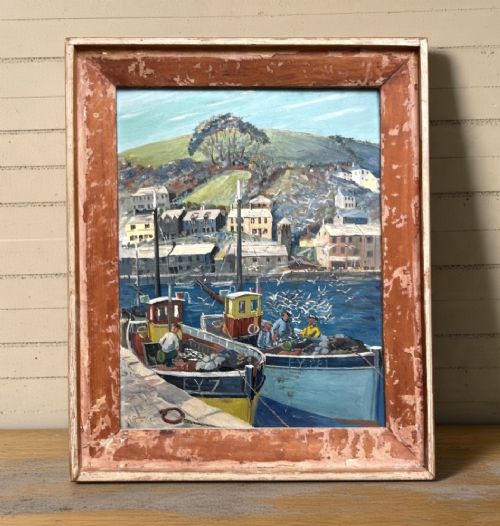
The selections span from seventeenth-century portraits on timber panels to mid-century oil paintings on board, alongside vernacular wooden supports carrying metalwork.
Rather than straightforward carvings, these works predominantly capture paintings executed directly upon wooden surfaces or depict organic forms shaped by British hands.
Materials and Techniques
Makers utilised seasoned timber panels, wooden boards, and fruitwood trunks as structural supports for oil and pastel mediums.
Artists painted directly onto prepared wood grains, allowing the natural surface to integrate with the composition of landscapes, portraits, and genre scenes.
British Wood Art Retail Price Guide 2026
Typical asking prices for british wood art among the pieces listed under this phrase on Sellingantiques today, from the lower quarter to the upper quarter. They describe what is for sale here now, not the wider market.
A farrier's heavy iron anvil mounted onto a sturdy fruitwood trunk proves that British makers could turn everyday workshop equipment into striking sculptural furniture.
Assessing Quality
Quality rests upon the preservation of the original wood panel and the stability of the paint layer applied directly to its surface.
Stronger pieces demonstrate confident handling of the brush upon timber supports, where the grain complements rather than fights the painted subject.
Maurice Adams·Edward Holmes RBA·Thomas Frye·Richard Purcell·Kenneth Cozens·Tom Campbell·William Howard Hardy·Hille·Stephen Samuel Lewin·Sir Joshua Reynolds·Thomas Creswick·Frank Dobson·Thomas Beach·James Fry·Peter Newcombe·George Oyston·TB Hardy·Sir Alfred East·Carl Whitfield·Stuart Walton·Florence Adelina Hess·William Thomas Wood·William Hogarth·Luke Sullivan·Sydney Yates Johnson
The British Wood Art Glossary
- Wood Panel
- A flat wooden board used as a rigid support for oil paintings instead of canvas. This surface type provides a smooth, durable ground that resists sagging over centuries.
- Oil on Board
- A painting technique where oil paint is applied directly to a rigid card or wooden board. This method gained favour among British artists for rapid plein air studies.
- Panel Portrait
- A likeness painted onto a wooden support, common in earlier centuries before canvas became the dominant medium. The timber gives the image a distinct tonal depth.
British Wood Art: Frequently Asked Questions
What is british wood art?
British wood art encompasses historical paintings executed on wooden panels, boards, and sculptural vernacular objects originating in Britain. These pieces rely on timber as a primary physical support or sculptural material.
The category bridges fine art and material culture, uniting painted portraits, landscapes, and functional wooden items shaped across multiple centuries.
How were wood panels prepared for painting?
Historical wood panels required careful seasoning and smoothing before an artist could apply paint. Grounds of gesso or chalk were often laid down to create an even, stable surface.
This preparation prevented the natural oils in the paint from sinking directly into the wood grain, ensuring the colours retained their luminosity over decades.
How do I care for wooden art panels?
Wooden art panels require stable indoor environments with controlled humidity to prevent the timber from warping or splitting. Keeping pieces away from direct heat sources protects both the wood and the paint layer.
Dusting should be done gently with a dry, soft cloth, avoiding any liquid cleaners or harsh chemical polishes that might damage the surface finish.
How do I distinguish panel paintings from canvas?
Panel paintings feel rigid to the touch and lack the characteristic spring and texture of stretched canvas. Looking at the edges or reverse of the piece usually reveals the solid timber support.
Older works on wood panels often display subtle natural bowing or historical cradling on the reverse to maintain structural stability.