



British Watercolour Portrait
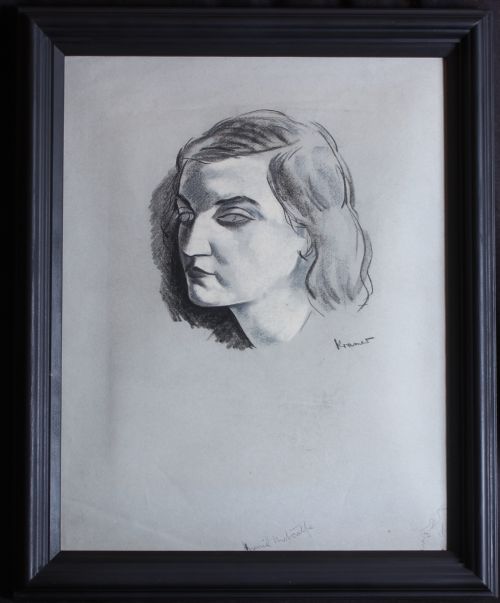
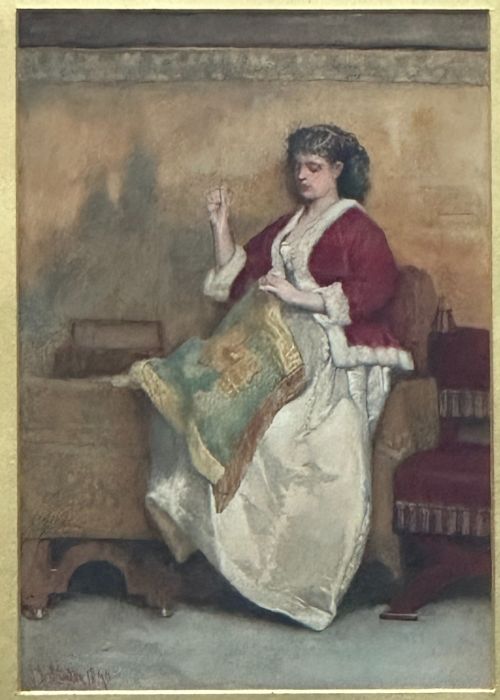
When you search for a british watercolour portrait, you are looking at paper works capturing faces and figures across centuries of shifting styles.
British Watercolour Portrait
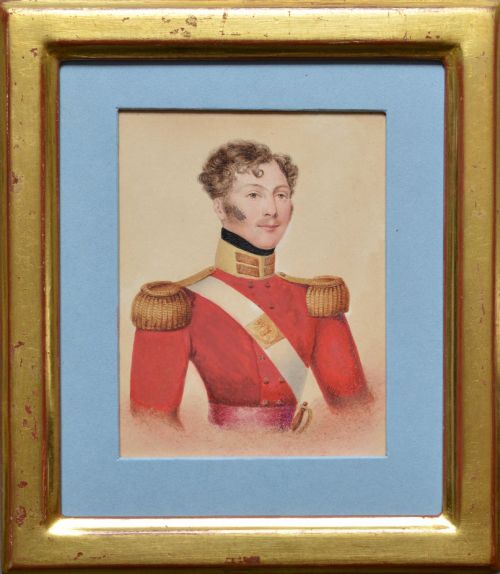
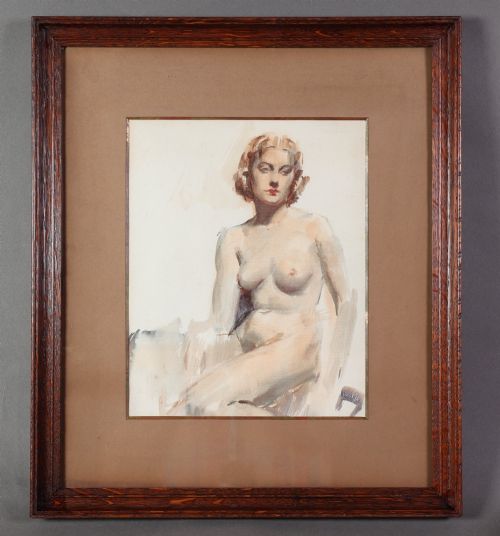
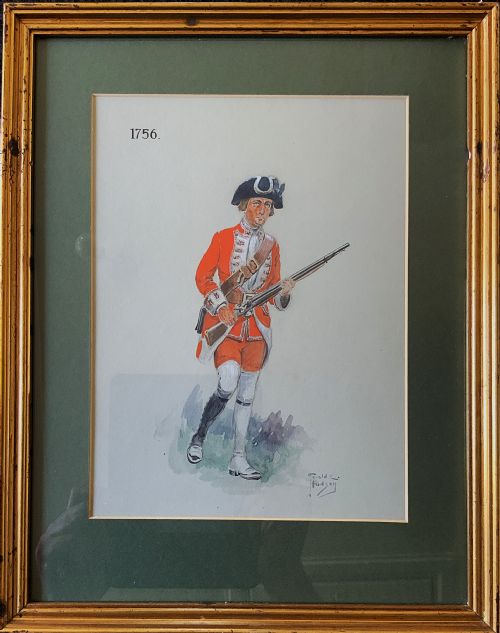
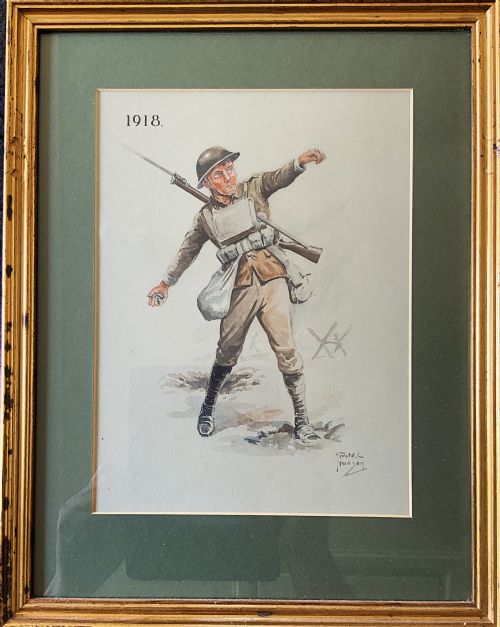
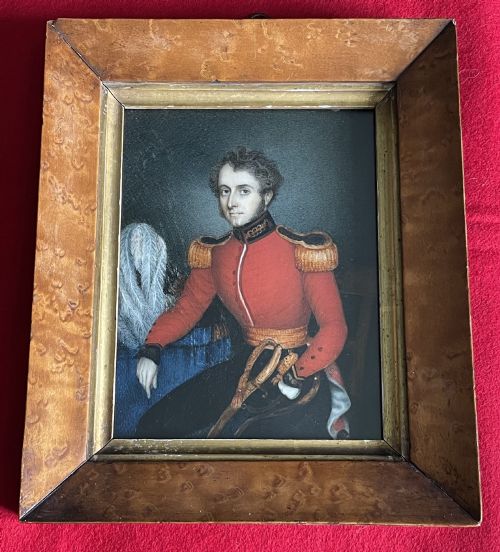
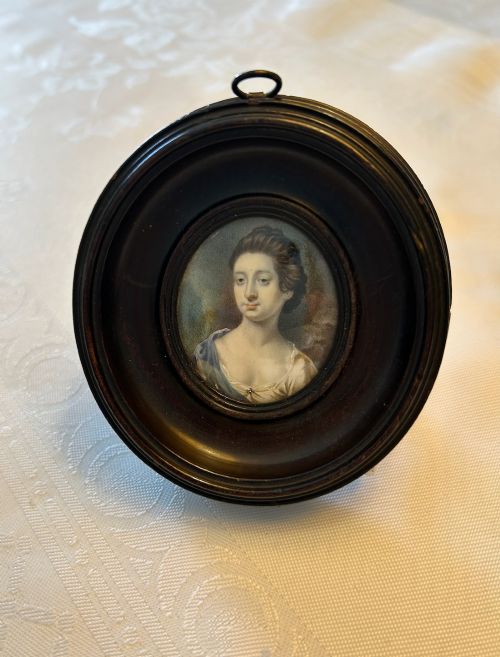
A british watercolour portrait brings together paintings on paper from periods spanning the eighteenth century, the regency era, the victorian age, and into the twentieth century. These works depict military officers, naval figures, ladies, and children, executed by named artists or the broader british school.
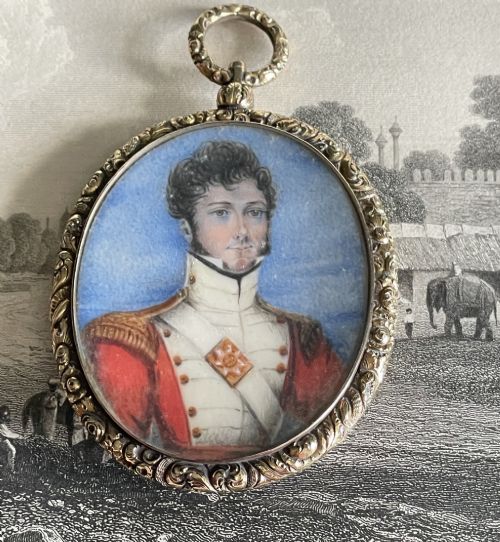
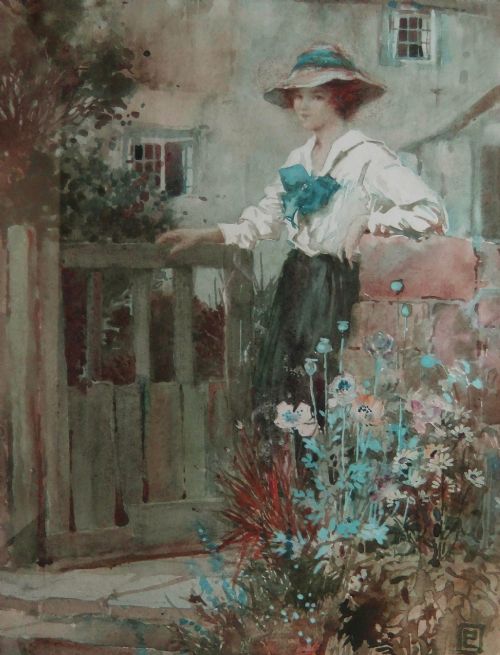
The selections range from full sheet paintings to intimate portrait miniatures framed in wood, ebonised surrounds, or gold leaf. You will encounter both formal commissioned likenesses and informal studies of ordinary subjects like gypsy girls or fishermen's daughters.
Works on this page stretch from early georgian examples through to mid-twentieth-century realisms and modern british movements. The physical mediums combine watercolour pigment with wash, gouache, and pastel on various grades of paper and card.
How they were made
Artists painted these works using water-soluble pigments suspended in gum arabic, applied in washes to paper, card, or occasionally agate panels. Painters layered transparent colours to build luminosity, often adding body colour or gouache for highlights in collars, lace, and insignia.
Many miniatures and framed works rely on graphite underdrawing beneath the pigment, preserved under glass within wooden or giltwood frames. Gold leaf and ebonised moulding completed the presentation of smaller pieces destined for desk or wall display.
British Watercolour Portrait Retail Price Guide 2026
Typical asking prices for british watercolour portrait among the pieces listed under this phrase on Sellingantiques today, from the lower quarter to the upper quarter. They describe what is for sale here now, not the wider market.
Watch for the occasional domestic intruder, as working dogs and goldfish frequently share the frame with their owners.
What varies in quality
The measure of quality lies in the sureness of the brushwork and the precision of the likeness achieved within the pigment. Master painters command the transparency of the medium to render fabric, skin tones, and uniform details without heavy reworking.
Preservation determines much of a piece's standing, particularly the stability of the paper support and the retention of fugitive pigments against fading. Original frames, contemporary mounts, and undisturbed backing papers all contribute to the integrity of the surviving artwork.
Sir James Dromgole Linton·Richard Cosway·Percy Lancaster·Arthur Wardle·Henry E Hobson·Raoul Millais·Adrian Jones·Emma Kendrick·Roland Batchelor·Mabel Gear·Ralph Todd·Linnie Watt·Frederick Thomas Baynes·Charles Edward Wilson·Frederick Tayler·Samuel John Milton Brown·Montagu Barstow·Laura Knight·Muriel Metcalfe·Josiah Gilbert
The British Watercolour Portrait Glossary
- Watercolour
- A painting method where natural pigments are ground with a water-soluble binder, typically gum arabic. It is applied in translucent layers onto paper surfaces.
- Gouache
- An opaque watercolour paint containing an added white pigment to create a heavier, denser finish. Artists utilise it to catch light on uniform buttons and facial highlights.
- Portrait Miniature
- A small, highly detailed painting executed on a reduced scale. These intimate works frequently feature military officers or family members set into protective frames.
- Washing
- The application of a diluted pigment wash across the paper to establish background tones or atmospheric depth. It forms the base of many nineteenth-century military studies.
- Ebonised
- Wood stained or treated to imitate ebony wood, creating a dark, uniform border. It is frequently seen on frames housing eighteenth and nineteenth-century miniatures.
British Watercolour Portrait: Frequently Asked Questions
How do I date an undated watercolour portrait?
Dating relies heavily on costume details, hair styling, and the cut of uniforms depicted in the subject. Framing methods and the type of paper support also provide reliable clues to the period.
Secondary evidence like inscriptions on the reverse, artist signatures, and known working dates help narrow the decade of creation.
What is the difference between a painting and a miniature?
Miniatures are executed on a significantly smaller scale, often intended to be held in the hand or worn as a personal keepsake. They require extreme precision with fine brushes.
Standard watercolour paintings offer a wider field of view, designed primarily for wall display within traditional frames.
How should I care for antique paper watercolours?
Paper and pigments are sensitive to direct sunlight, which causes fading and chemical breakdown over time. Displaying works away from windows helps preserve the original colour balance.
Maintaining stable indoor humidity prevents foxing spots and paper warping inside the sealed frame.
Why do some watercolours include gouache?
Gouache adds opacity where transparent watercolour alone cannot achieve sharp highlights or dense opaque areas. Artists applied it to accentuate gold braid, lace collars, and eye gleams.
This mixed technique provides greater textural contrast across the surface of the paper.