






British Urban Landscape
These British urban landscape paintings and watercolours capture the grit, architecture and everyday street life of towns and cities across the decades.
British Urban Landscape
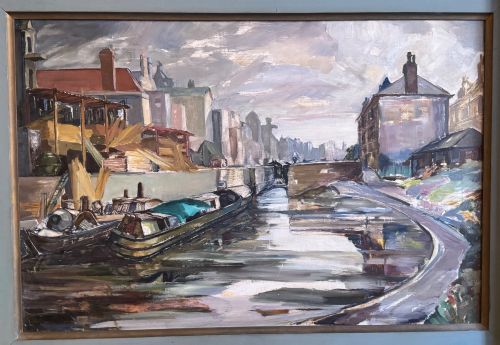
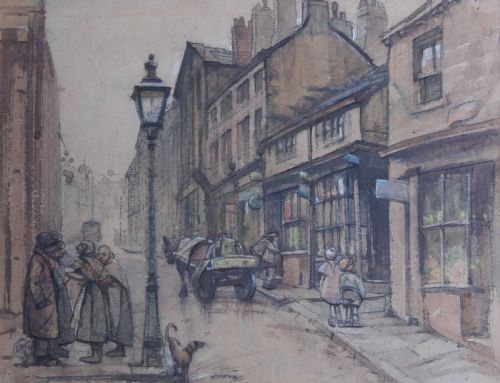
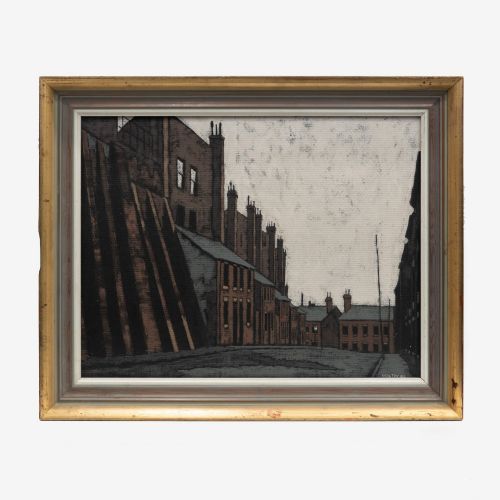
A british urban landscape depicts city streets, mills, breweries and bridges rendered in oil, watercolour and ink. These works record the changing face of towns through the Victorian era, the early twentieth century and the post-war period.
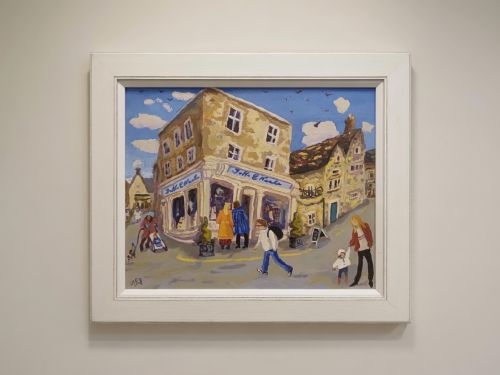
The pieces on this page lean heavily towards watercolours and oil paintings created by British artists. Subjects range from moonlight street scenes in London to northern mill shops and provincial market towns.
Buyers will encounter works spanning from the nineteenth century up to contemporary British production. Townscapes and city views form the core of what is available here.
Materials and techniques
Artists utilise watercolour paint on paper alongside oil on canvas and oil on board. Watercolour affords a swift, translucent recording of light on wet streets, while oil permits heavier impasto and deeper tones.
Support materials include traditional canvas, wood panels and heavy paper sheets. Works are executed in media ranging from fine ink lines to broad oil brushstrokes.
British Urban Landscape Retail Price Guide 2026
Typical asking prices for british urban landscape among the pieces listed under this phrase on Sellingantiques today, from the lower quarter to the upper quarter. They describe what is for sale here now, not the wider market.
Materials across these listings include paper, wood, canvas, oil, watercolour and ink.
Judging quality in urban scenes
Quality rests on the sureness of the drawing and the artist's command of light, whether capturing a winter twilight or a moonlit thoroughfare. Stronger works convey atmosphere and specific architectural character rather than generic buildings.
The handling of medium distinguishes the output, from delicate watercolour washes to confident, textured oil applications that give weight to brickwork and stone.
Cuthbert Crossley·Lucy Pratt·Alfred Wolmark·Stuart Walton·William Manners·Florence Hess·Walter Meegan·Jack Merriott·Rowland Henry Hill·Fred Lawson·Matthew Hale
The British Urban Landscape Glossary
- Watercolour painting
- A work executed with water-soluble pigments on paper, allowing for translucent washes of colour. It is widely used here for swift townscape sketches.
- Oil on canvas
- Pigments bound in a drying oil applied to a stretched fabric support. This technique provides rich colour depth and durability.
- Townscape
- A painting or drawing depicting a built-up urban area, streets, buildings or industrial sites. It forms the primary subject matter of these listings.
- Post-Impressionism
- Art developed from the late nineteenth century that rejected impressionist naturalism in favour of bolder forms and expressive use of paint.
British Urban Landscape: Frequently Asked Questions
What periods do these paintings cover?
The works span from the Victorian era and the nineteenth century through the 1900s, 1910s, 1930s and 1950s into contemporary production.
Most pieces sit within the early to mid-twentieth century, capturing industrial and urban growth.
How are watercolour townscapes displayed?
Watercolours on paper require framing behind glass with appropriate mount boards to protect the surface from moisture and direct light.
They should be hung away from strong sunlight to prevent the pigments from fading over time.
What is the difference between oil and watercolour?
Oils use pigment suspended in drying oil on canvas or board, offering thick texture and deep colour saturation. Watercolours use water-based pigments on paper for a lighter, more transparent finish.
Oils are generally more robust, whereas watercolours need careful preservation under glass.
Where were these urban scenes painted?
Locations range from London landmarks like Charing Cross Bridge and St Martin-in-the-Fields to northern industrial settings such as Halifax wood mill shops and Yorkshire towns.
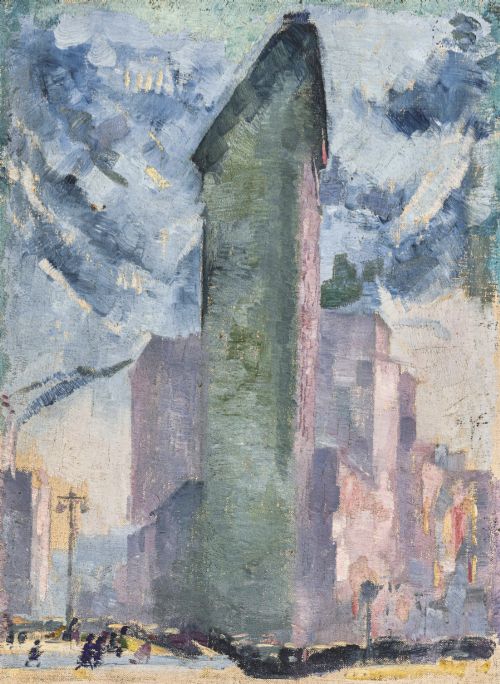
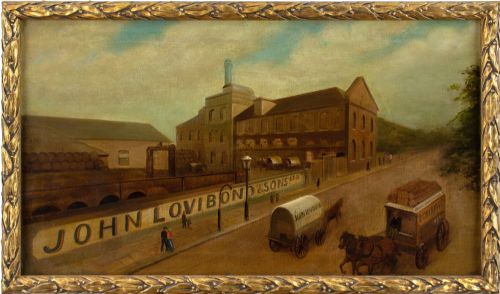
Some pieces record specific named businesses and streets, including breweries and flatiron buildings.