



British Silver Caddy
A british silver caddy is a small storage vessel or specialised spoon designed for holding and dispensing dry tea leaves, prized for its intricate metalwork and historical charm.
British Silver Caddy
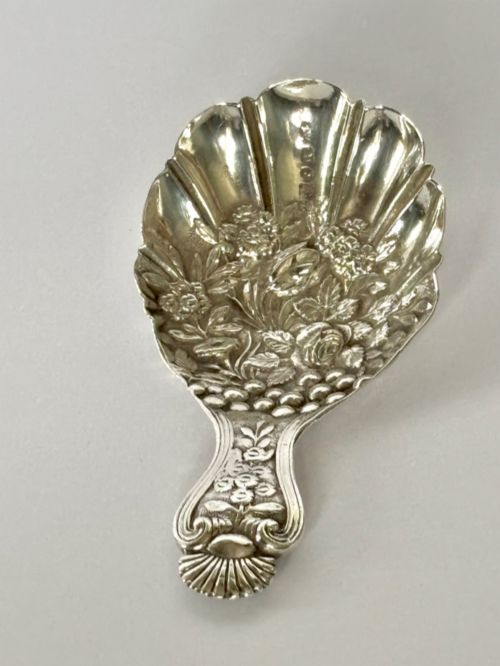
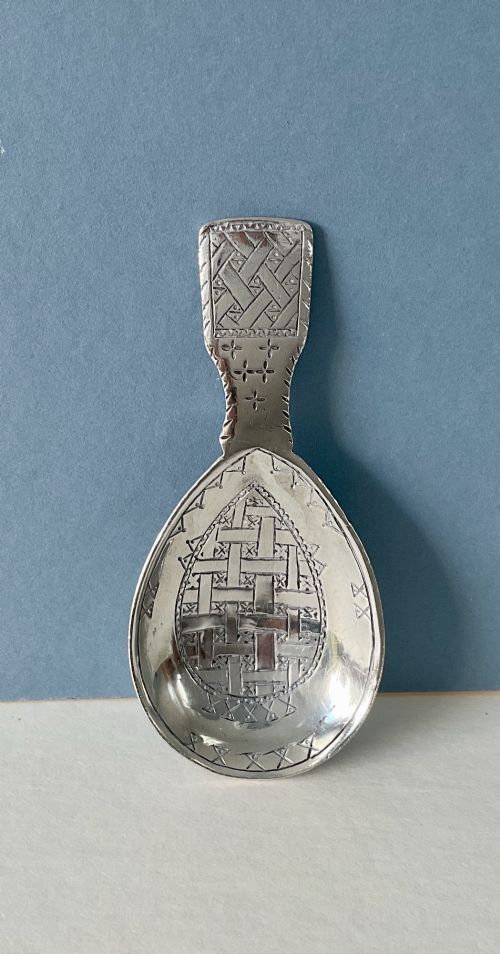
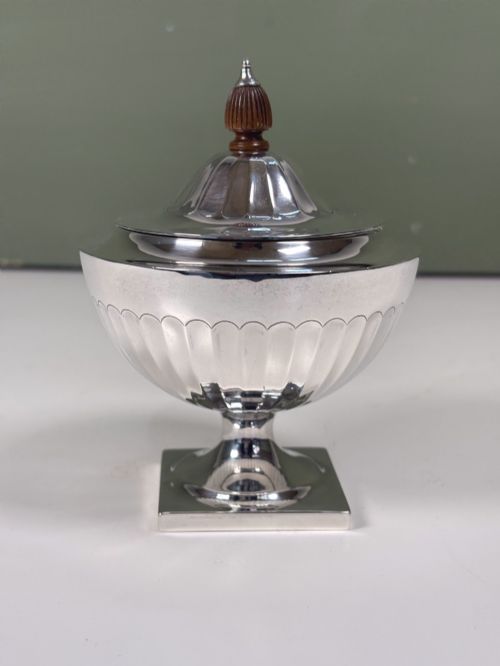
A british silver caddy encompasses small receptacles and specialised spoons made to handle loose leaf tea during the eighteenth, nineteenth, and twentieth centuries. Buyers searching this category typically encounter decorative caddy spoons alongside lidded tea caddies and related tableware items.
The selections span several distinct historical eras, including the Georgian, Victorian, Edwardian, and Art Deco periods. These domestic objects reflect changing social rituals around tea drinking in British households across generations.
Materials and construction
Makers utilised sterling silver and solid silver as the primary metals for shaping these pieces, often combining them with wooden elements in larger caddies. Silversmiths employed traditional techniques such as hammering, casting, and piercing to achieve delicate bowls and decorated handles.
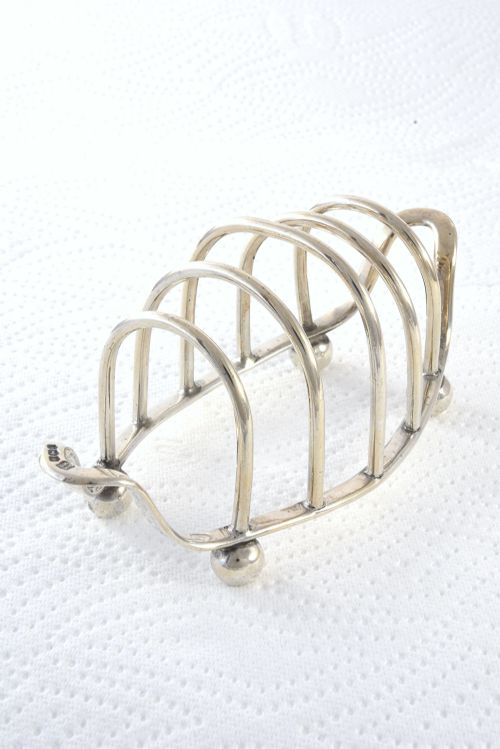
Makers marked their finished work with hallmarks that indicate the assay office, year of production, and maker's stamp. These punch marks provide a reliable record of origin for each individual piece.
Assessing quality and character
The distinction between standard items and finer examples rests on the crispness of the hallmarks, the weight of the metal, and the delicacy of any engraved or pierced decoration. Pieces featuring named makers or distinct stylistic movements often display superior attention to detail.
The integrity of the form and the legibility of the maker marks influence the overall appeal of a piece. Well-preserved surfaces retain their original form without excessive wear from cleaning.
Liberty·Mappin & Webb·George Unite
The British Silver Caddy Glossary
- Caddy spoon
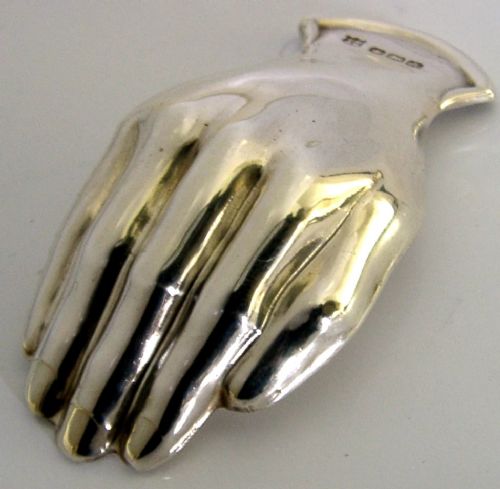
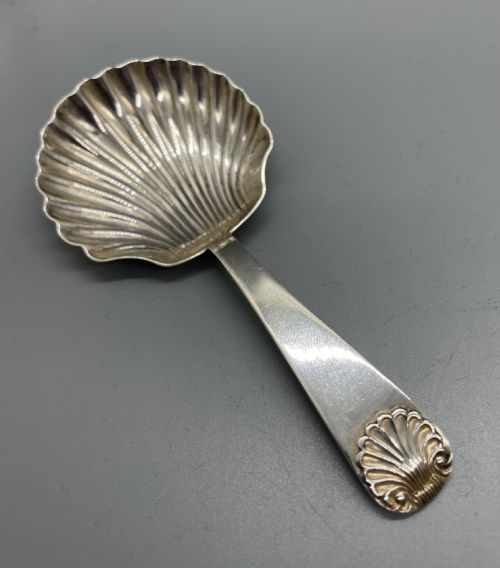
- A short-handled spoon specifically proportioned for scooping dry tea leaves from a caddy into a teapot. These small utensils often feature decorative bowls shaped like leaves, hands, or shells.
- Hallmark
- A series of official marks stamped onto precious metal items to guarantee purity and trace the place and date of manufacture. These symbols include the standard mark, assay office mark, and date letter.
- Sterling silver
- An alloy composed of ninety-two point five percent silver and seven point five percent other metals, usually copper, chosen for durability in domestic silverware.
- Assay office
- An organisation charged with testing the purity of precious metals and stamping them with official town marks. Well-known British offices include London, Sheffield, and Birmingham.
British Silver Caddy: Frequently Asked Questions
How do I read silver hallmarks?
Hallmarks consist of stamped symbols that indicate the maker, the purity of the silver, the assay office, and the year of manufacture.
Consulting standard reference books helps match the date letters and punch marks to specific years and silversmiths.
Were these caddies used daily?
These items served a practical function in wealthier households where tea was stored under lock and key to protect a valuable commodity.
Over time, they evolved from utilitarian kitchen tools into decorative table accessories used during formal afternoon tea.
How should I clean silver?
Silver pieces require gentle washing with mild soap and warm water followed by thorough drying with a soft cloth to prevent tarnishing.
Avoid harsh abrasive polishes that can wear away delicate engravings or soften the stamped hallmarks over time.