

British Rural Wall Art
British rural wall art brings the quiet depth of the countryside into a room through framed watercolours, oils and etchings.
British Rural Wall Art
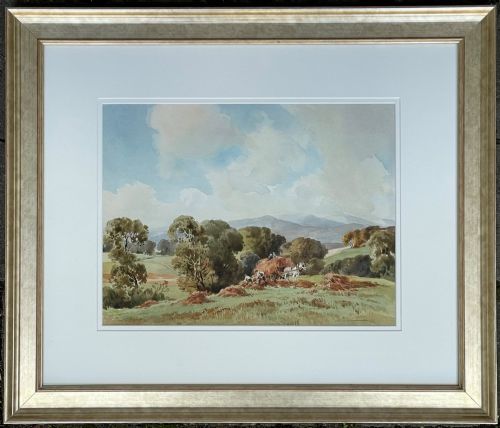
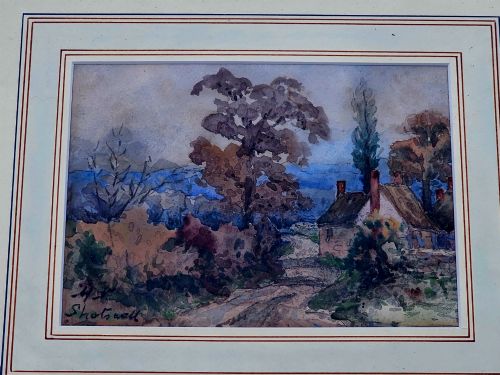
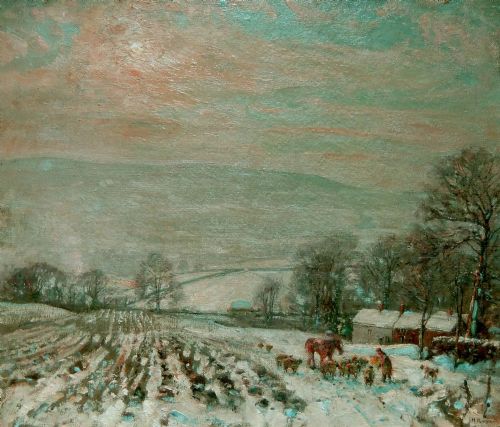
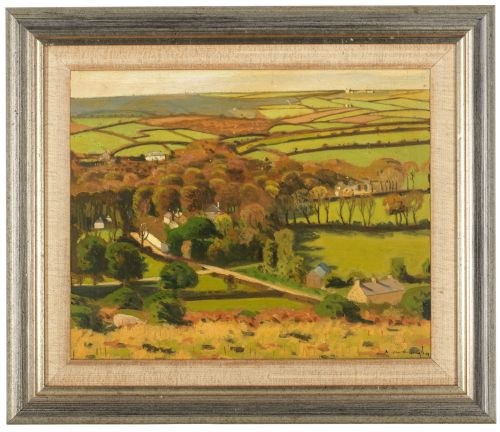
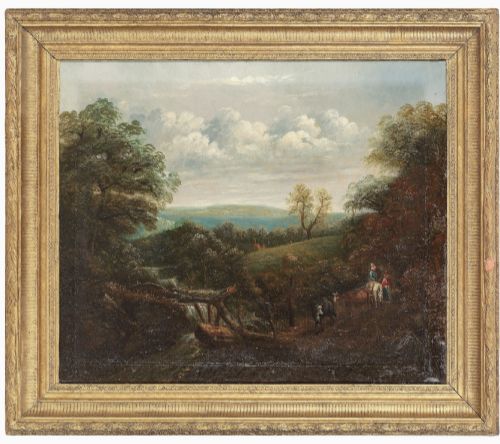
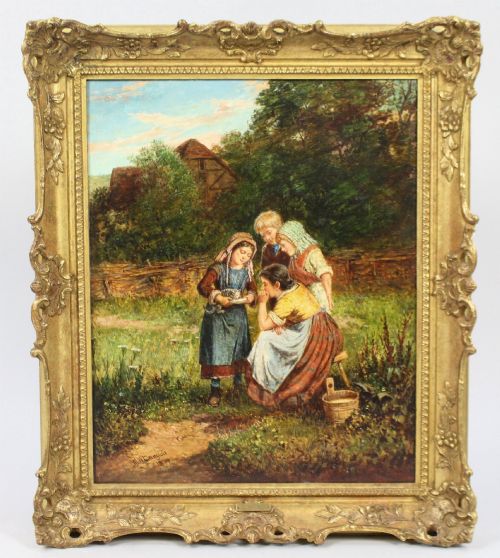
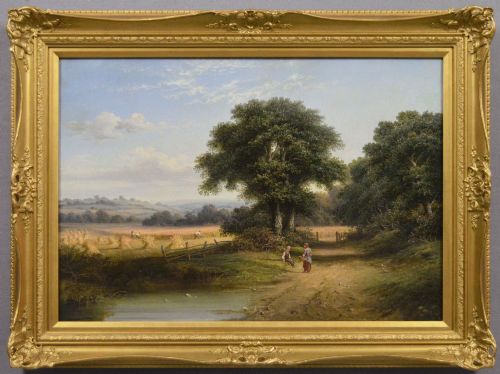
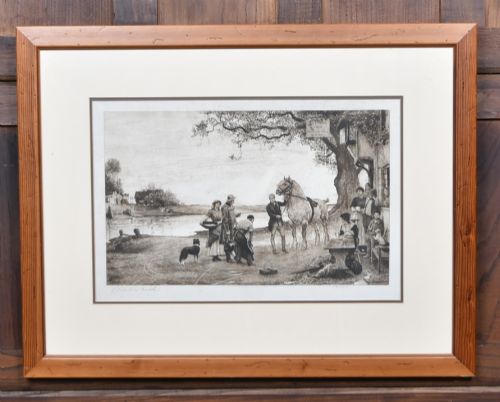
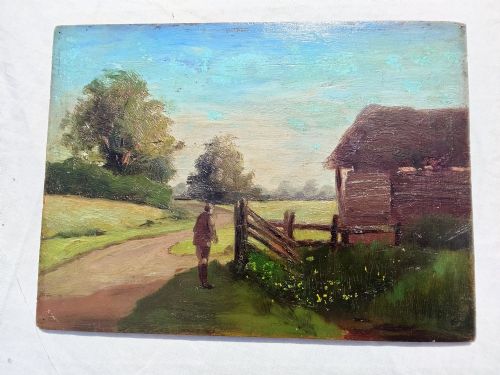
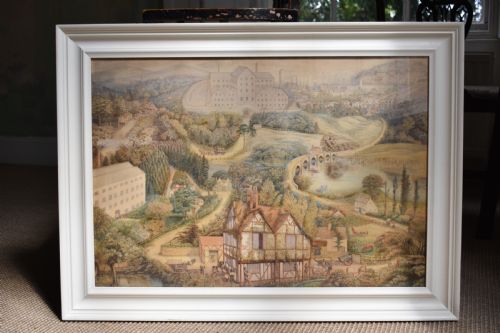
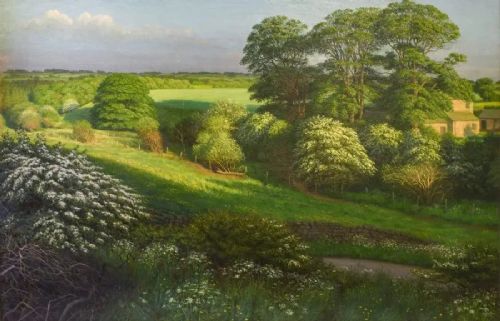
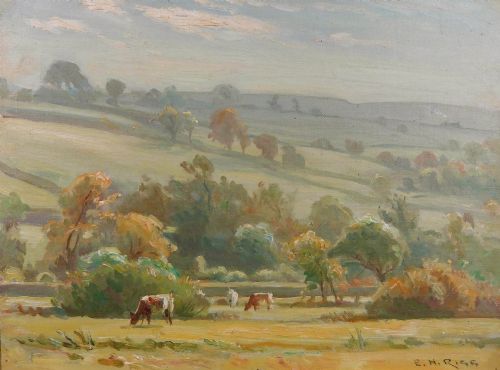
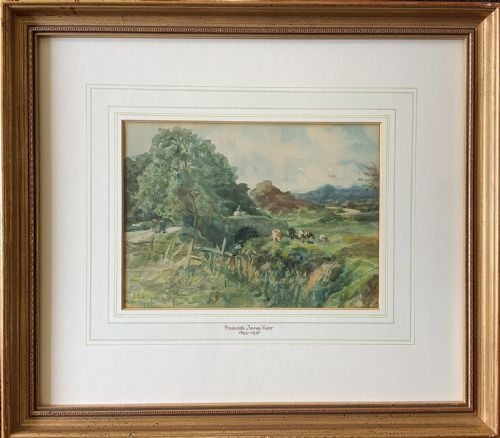
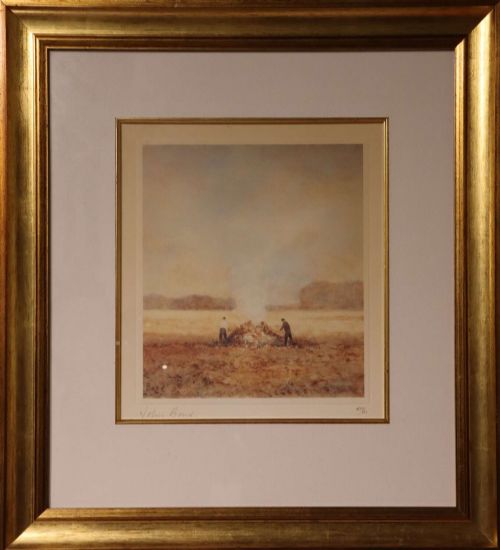
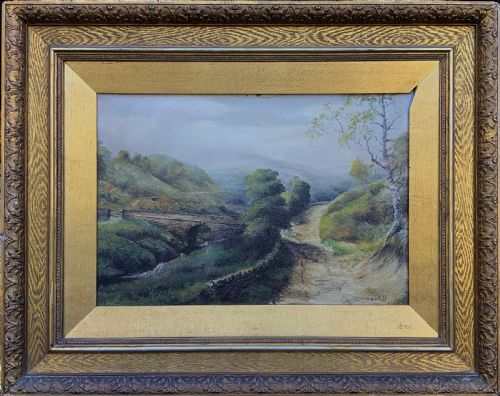
When you search for british rural wall art, you find framed paintings, watercolours and etchings that capture fields, cottages and farmyards. The selection draws heavily on Victorian, Edwardian and twentieth-century traditions, recording local landscapes from Yorkshire to Cornwall. Pastoral scenes with cattle, sheep and harvest workers appear frequently across the selection.
Most pieces on this page are oil paintings on canvas or board, alongside delicate watercolours on paper. Artists recorded specific regional localities, such as Devon streams, Dorset lanes and Yorkshire farmyards, often noting the exact place in the title. These works range from intimate watercolours to large, framed oils meant to anchor a room.
How they were made
Artists worked primarily with oil paint on stretched canvas or wooden board, or applied watercolour pigments to paper. Oil allowed for layered textures and rich colour mixing, particularly in capturing light across a harvest field or river landscape. Watercolours relied on swift, transparent washes to create luminous skies and atmospheric country paths.
Support materials varied from traditional canvas and sturdy wooden panels to heavy art paper for watercolours and etchings. Many works remain preserved in their period frames, which complement the medium through carved wood or gilded moulding. Artists utilised both studio preparation and plein air sketching to capture the changing English seasons.
Listings feature works from the Victorian and Edwardian eras alongside mid-century pieces, created in oil, watercolour and etching.
What varies in quality
Quality rests upon the artist's command of light, shadow and composition within the landscape. A stronger piece captures the specific atmosphere of an hour, such as eventide or afternoon sun, rather than merely recording topographical details. Brushwork in superior works feels assured and purposeful, defining foliage, water and figures with economy and grace.
The integration of human activity or livestock into the wider landscape distinguishes finer compositions. Skilled painters balanced the scale of farm workers, sheep or cottages against expansive skies and hills. The survival of the original frame and a clear provenance also elevate the standing of a piece.
Percy Lancaster·Herbert Royle·Robert Morson Hughes·Mark William Langlois·David Bates·Walter Heath Williams·Robert W. Macbeth·Raymond Booth·Ernest Higgins Rigg·Frederick James Kerr·John Bond·Sydney Yates Johnson·Owen Bowen·Edgar Woollatt·Henry Charles Fox·William Henry Mander·William JB Jenkins·Reginald Grange Brundrit·Fred Lawson·John Hobson Nicholson·William Hoggatt·William Greaves·Ernest Pile Bucknall·William Sydney Cooper·James Orrock
The British Rural Wall Art Glossary
- Oil on canvas
- Pigment mixed with drying oil, applied to a woven fabric stretched across a wooden frame. This medium allowed artists to build rich textures and deep tones.
- Watercolour
- Pigments ground in a water-soluble binder, painted onto paper to create translucent washes. It was the favoured medium for capturing transient light effects in the open air.
- Etching
- A printmaking technique where lines are bitten into a metal plate with acid before being inked and pressed onto paper. It produces fine, crisp lines suited to detailed rural studies.
- Barbizon Influence
- A stylistic approach derived from French landscape painters who worked directly from nature. It emphasises atmospheric moods and naturalistic rural settings.
- Pastoral
- Art depicting country life, fields and farm animals in an idealized or romanticised manner. These scenes focus on the peaceful rhythm of agricultural work.
British Rural Wall Art: Frequently Asked Questions
What subjects appear in these works?
The selections depict agricultural fields, thatched cottages, river valleys and farmyards across Britain. Common motifs include sheep grazing, cattle driven down lanes, and figures busy with the harvest.
Artists frequently recorded specific regional landmarks, connecting their compositions to identifiable counties like Yorkshire, Kent and Cornwall.
How do I hang a large oil painting?
Large framed oils require secure fixings into wall studs or solid masonry to support their weight safely. Hang the piece at eye level so the centre of the canvas sits comfortably in your line of sight.
Keep oils away from direct sunlight and damp walls to protect the canvas and the original wooden frame.
How do I tell watercolours from oils?
Watercolours are painted on paper, lie flat beneath protective glass, and display translucent washes of colour. Oils are painted on canvas or wooden board with visible brush texture and require no glass.
Oils often carry a heavier, richer pigment load, whereas watercolours rely on the bright white of the paper underneath for their luminosity.
How should I care for vintage watercolours?
Protect watercolours from direct sunlight to prevent the pigments and paper from fading over time. Keep them in rooms with stable humidity to avoid moisture damage to the paper and the mount.
Ensure the framing remains sealed against dust and insects while allowing the paper room to breathe.