

British Rural Painting
British rural painting captures the quiet rhythm of the countryside through landscapes, farmyards, and pastoral scenes.
British Rural Painting
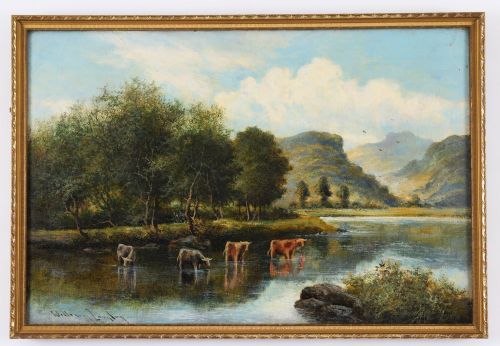
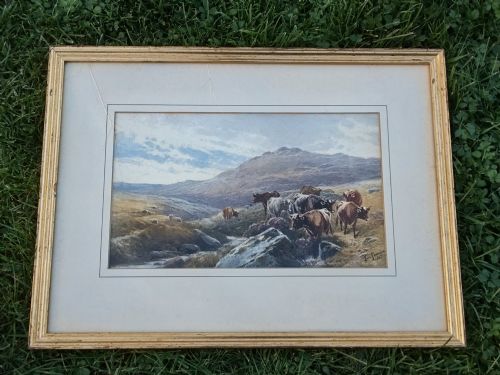
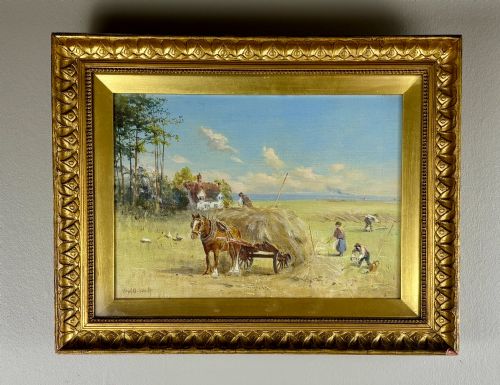
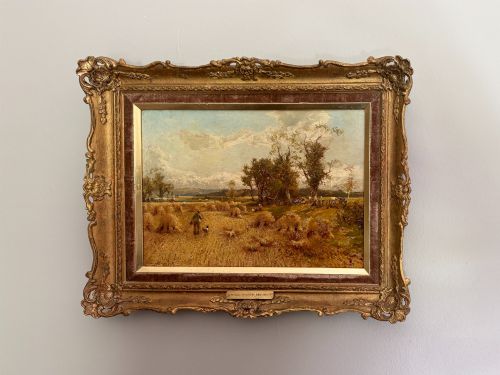
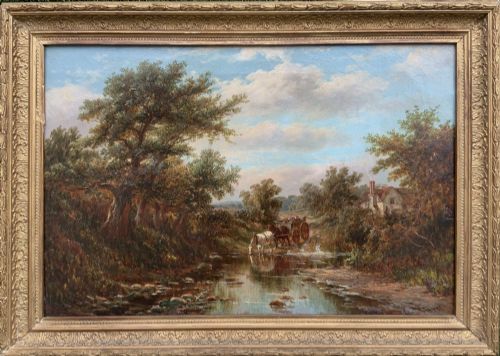
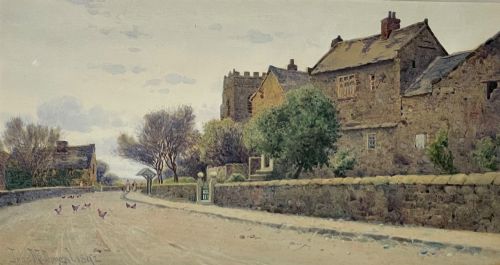
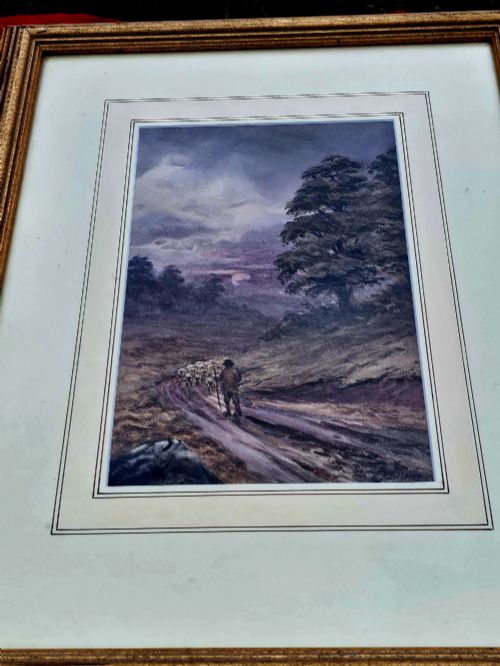
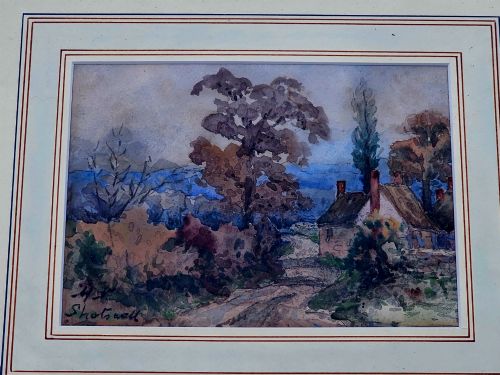
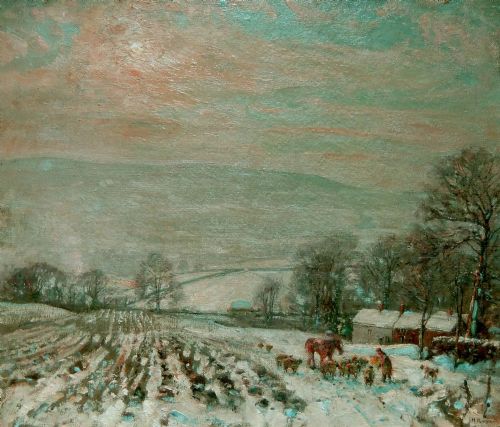
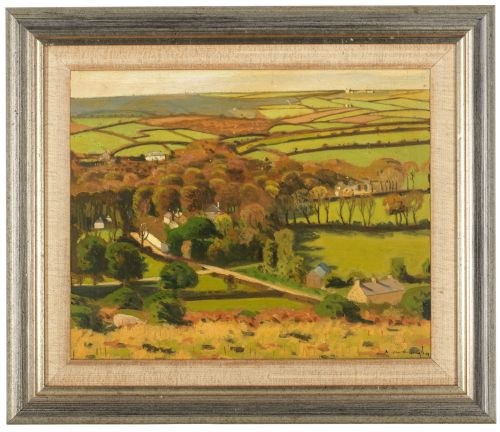
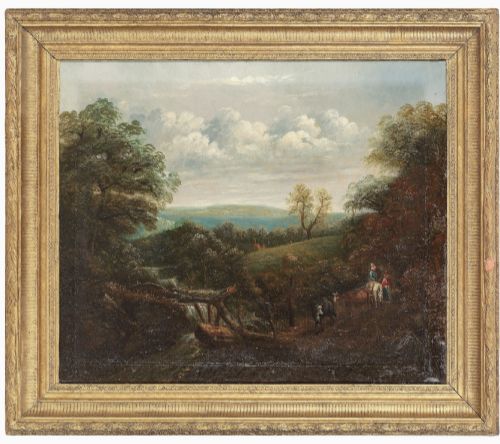
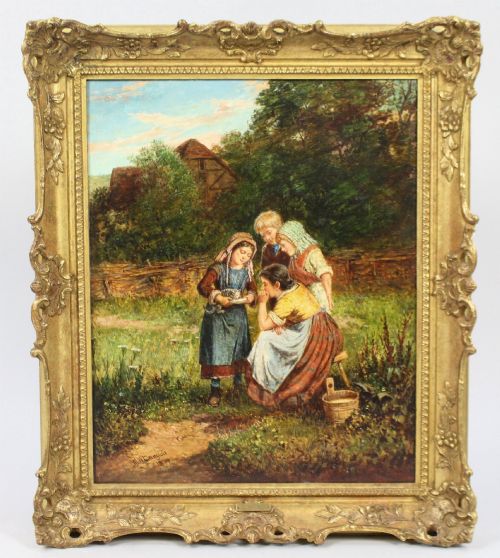
A British rural painting depicts agrarian life, country cottages, and scenic vistas spanning the nineteenth and early twentieth centuries. These artworks record traditional agricultural practices, such as harvesting, herding livestock, and working horses in fields.
The pieces appearing most frequently on this page originate from the Victorian, Edwardian, and mid-century periods. Painters of these eras focused on regional landscapes from locations including Yorkshire, Cornwall, and the Home Counties.
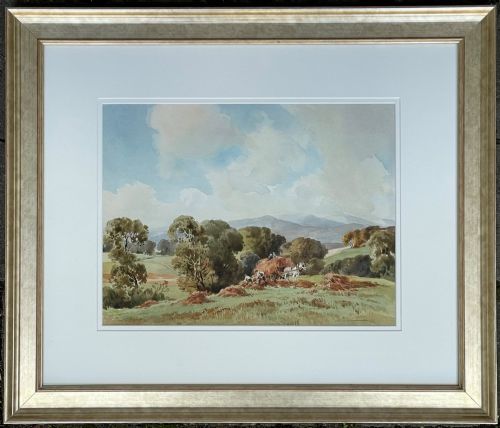
Compositions often feature figures engaged in daily rural tasks, river banks, and upland pastures. Works range from modest watercolours on paper to substantial oil paintings executed on canvas or wooden panels.
Materials and technique
Artists employed oil paint and watercolour as their primary mediums, applying them to stretched canvas, wooden panels, or heavy paper. Oil paintings allowed for rich texture and layered colour, while watercolours offered fluid transparency for atmospheric skies and light.
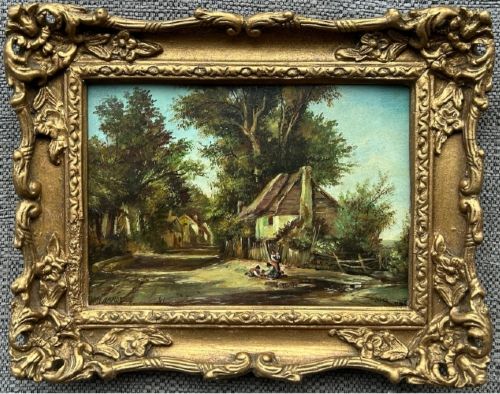
Support materials varied according to scale and convention, with panels used for smaller plein air studies and large canvases reserved for finished exhibition pieces. Frames of wood and gilt moulding typically completed the presentation of these works.
Listings feature works created across the nineteenth and twentieth centuries, utilising canvas, paper, wood, and glass.
Distinctions in quality
Quality rests in the artist's handling of light, atmospheric depth, and naturalistic proportion within the landscape. Superior works demonstrate confident brushwork and a balanced composition that brings vitality to the rural scene.
The precision with which figures and animals are integrated into the setting separates accomplished regional artists from routine topographical recorders. Framing and overall condition also influence the standing of an individual artwork.
William Joseph Shayer Senior·David Bates·Robert John Hammond·Walter Heath Williams·John Horace Hooper·George Oyston·Edgar Hunt·William Greaves·Frederick Hines·Sydney Yates Johnson·Owen Bowen·Edgar Woollatt·Oswald Garside·Harry Freckleton·Henry Charles Fox·William Henry Mander·Herbert Royle·Ernest Higgins Rigg·Fred Lawson
The British Rural Painting Glossary
- Oil on Canvas
- Pigment mixed with drying oil applied to a woven fabric stretched across a wooden frame. This combination allows for extensive blending and impasto texture.
- Watercolour
- A paint consisting of colour suspended in a water-soluble vehicle, typically applied to paper. It relies on the white of the paper to provide luminosity.
- Panel Painting
- An artwork executed on a flat piece of wood rather than canvas. This solid support was favoured by artists working on smaller or portable scales.
- Pastoral
- A genre of art depicting the rural life of shepherds, farmers, and country folk in an idealized or traditional setting. These scenes emphasise tranquility and harmony with nature.
- Impressionism
- A style of painting characterised by relatively small, thin, yet visible brush strokes and an emphasis on accurate depiction of light. British practitioners adapted these principles to local countryside subjects.
British Rural Painting: Frequently Asked Questions
What subjects appear in these paintings?
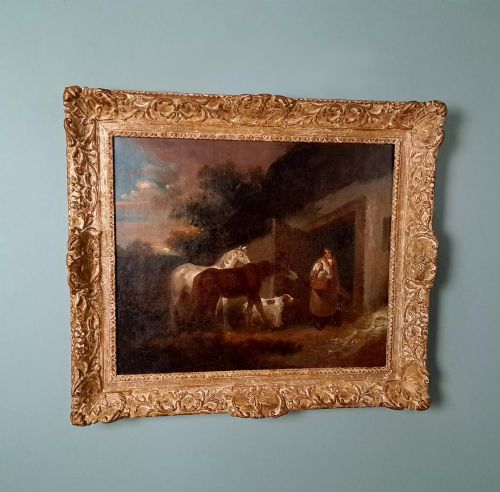
Works typically feature agricultural laborers, harvest fields, farmyards, rivers, and country cottages. Animals such as horses, cattle, and sheep also frequently populate the landscapes.
Artists recorded specific regional topography across Britain, capturing local farming methods and rural architecture before mechanization altered the countryside.
How do I date a rural painting?
Dating relies on the artist's recorded working dates, stylistic clues, and framing conventions. Clothing styles of figures and types of agricultural equipment offer further chronological indicators.
Signatures, dates inscribed on the reverse, and exhibition labels provide definitive evidence for the period of creation.
Where should I hang these artworks?
These paintings suit traditional domestic interiors, studies, and dining rooms where their warm tones complement wooden furniture. Direct sunlight should be avoided to protect both watercolours and oil pigments from fading.
Ensuring stable room humidity protects the canvas, panel, and paper supports from warping or degradation over time.
What is the difference between oil and watercolour?
Oil paint provides heavy texture, deep saturation, and a glossy finish that requires a canvas or wooden panel. Watercolour creates lighter, translucent effects and is painted on paper under protective glass.
Both mediums were utilised extensively by British artists recording rural scenes throughout the nineteenth and twentieth centuries.