



British Painter
A british painter work brings centuries of recorded craft, capturing maritime scenes and precise portraiture in oils and watercolours.
British Painter
When searching for a british painter, collectors encounter canvas works and paper watercolours spanning the nineteenth century through the mid twentieth century. These paintings range from maritime watercolours to detailed oil portraits of known figures and anonymous sitters alike.
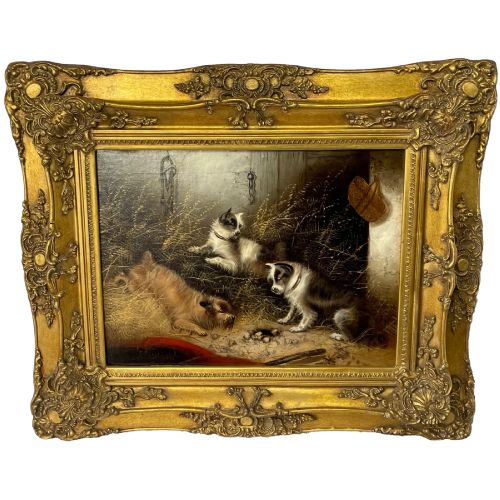
The version most commonly met on this page is the framed oil painting on canvas or board, often dated to the Victorian and Regency eras. Landscapes, genre scenes, and intimate self-portraits also appear frequently across the periods.
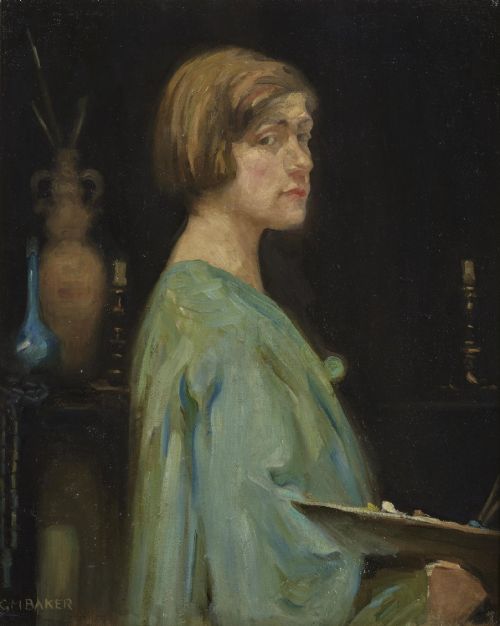
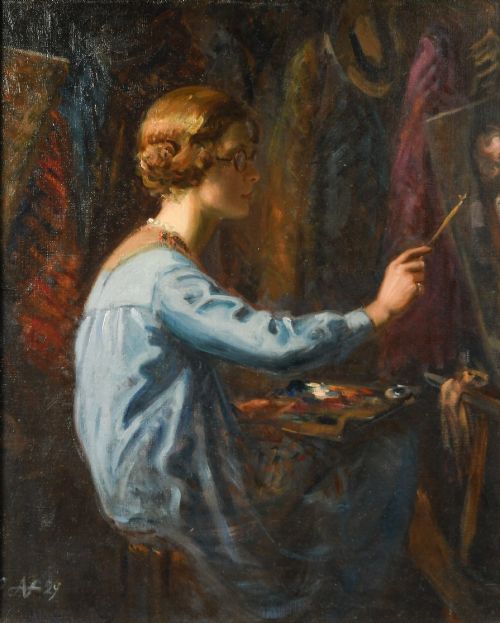
Portraits dominate the selection, showing subjects from military officers to artists in studios. Maritime subjects and domestic still lifes complete the range of subjects preserved by these hands.
Quality and execution
Superior execution shows in the handling of facial anatomy, fabric texture, and light, particularly in portraiture and maritime views. Stronger works display confident brushwork and secure draughtsmanship.
Condition of the support and pigment stability influence the piece, alongside the presence of period framing materials that complement the painting.
British Painter Retail Price Guide 2026
Typical asking prices for british painter among the pieces listed under this phrase on Sellingantiques today, from the lower quarter to the upper quarter. They describe what is for sale here now, not the wider market.
Materials recorded include oil paint, watercolour, canvas, paper, giltwood, and wood.
Charles William Wyllie·Thomas Bush Hardy·Henry William Pickersgill·William Dring
The British Painter Glossary
- Oil on canvas
- Pigments bound in drying oil applied to a woven fabric stretched over a wooden frame. This medium allowed artists to work slowly and build rich surface textures.
- Watercolour
- Pigments suspended in a water-based solution applied to paper or card. This technique relies on the reflective quality of the white paper beneath transparent washes.
- Tondo
- A circular painting or relief sculpture. This classical format directs focus tightly toward the central subject.
- Giltwood
- Wood carved and coated with gold leaf or a gold-coloured finish. These frames frequently accompany nineteenth-century oil paintings.
British Painter: Frequently Asked Questions
How do I date a british painter work?
Dating relies on costume details, framing styles, and recorded artist lifespans noted in the listing titles. Canvas types and pigment signatures also provide clues for century attribution.
Comparison with documented works by the same hand helps narrow the decade of production.
What is the difference between oil and watercolour?
Oils use slow-drying paint bound in oil on canvas or board, offering rich texture and deep colour layering. Watercolours use water-soluble pigments on paper, producing lighter, translucent effects.
Both mediums were standard for British artists across the nineteenth and twentieth centuries.
Are these paintings usually framed?
Many listings include period frames such as giltwood or moulded wood surrounds. These frames often date from the same era as the canvas.
Checking frame construction provides additional context for the age and provenance of the artwork.
What subjects are most common?
Portraits of identifiable figures and artists at work appear regularly alongside coastal views and ships. Still life compositions and historical genre scenes also form part of the recorded selection.
Human figures and maritime activity dominate the surviving body of work.