






British Military Weapon
These pieces of british military weapon history are forged from steel and brass, offering collectors authentic edges and actions from past centuries.
British Military Weapon
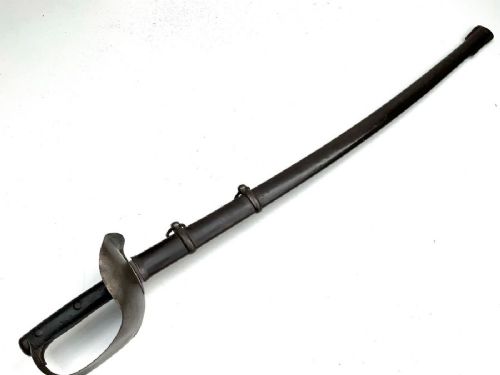
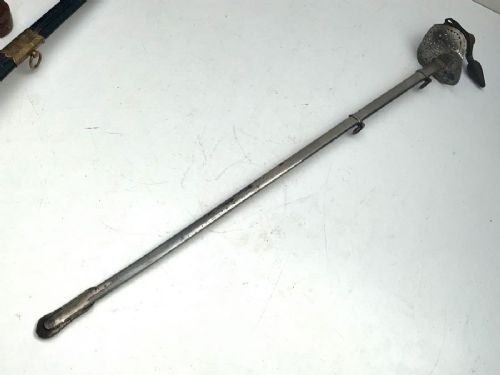
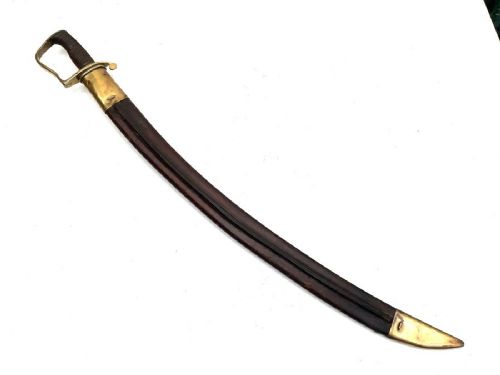
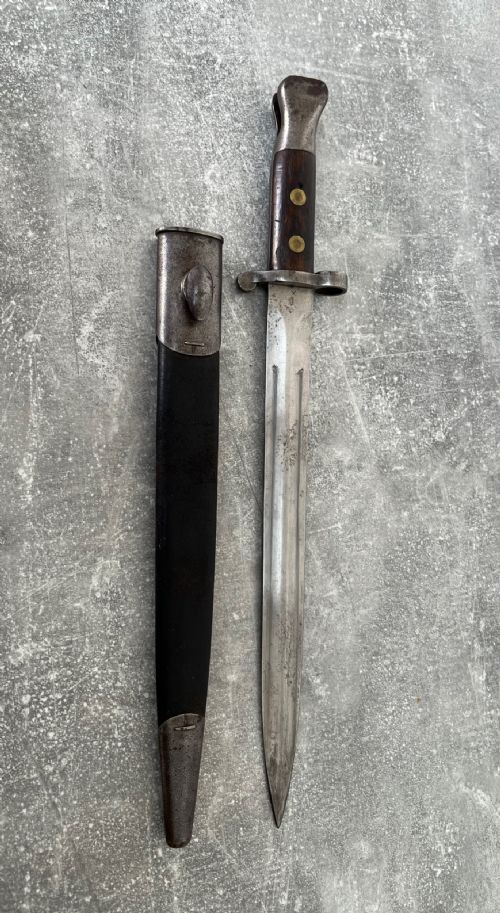
A british military weapon encompasses edged blades, firearms, and bayonets spanning the Georgian and Victorian eras. These items served infantry, cavalry, and officers on campaign.
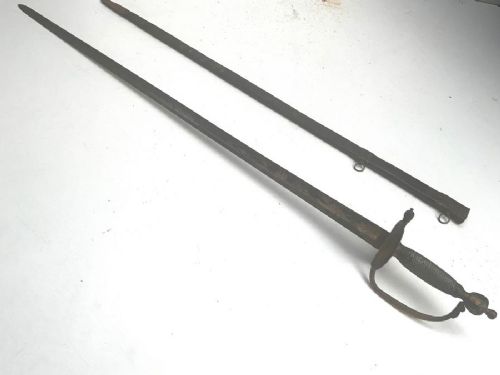
Visitors most frequently encounter Victorian and Georgian examples, particularly 1796 pattern light sabres and nineteenth-century officer patterns. These survivals reflect standard issue and private purchase military equipment.
How they were made
Makers shaped these arms using forged steel for blades and barrels, paired with brass guards, mounts, and fittings. Leather formed scabbards and slings, while walnut provided sturdy stocks for firearms.
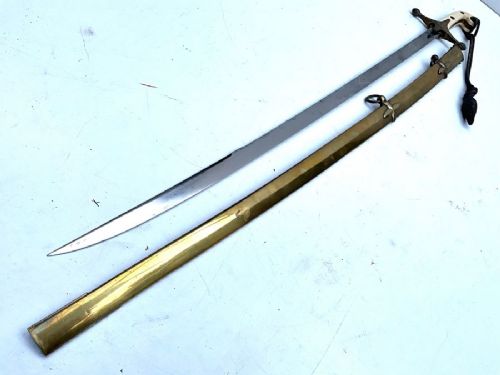
Blades often featured etched or blue and gilt decoration, especially on officer spadroons and mameluke swords. Iron, nickel, bone, and composite materials appear across various patterns and bayonets.
British Military Weapon Retail Price Guide 2026
Typical asking prices for british military weapon among the pieces listed under this phrase on Sellingantiques today, from the lower quarter to the upper quarter. They describe what is for sale here now, not the wider market.
Even military hardware occasionally wears blue and gilt finery, proving officers liked a flash of colour on campaign.
What varies in quality
Quality rests in the crispness of maker stamps, such as Birmingham or London inscriptions, and the original integrity of blade geometry. Maker attribution, like work by Sargant and Son or E Thurkle, elevates a piece.
Preservation of finish on steel blades and retention of original blue and gilt decoration distinguish standard trooper arms from superior officer weapons. Stock timber condition and metal patination mark the difference between heavily used service pieces and well-maintained examples.
E Thurkle of Soho·Sargant and Son
The British Military Weapon Glossary
- Mameluke
- A curved sabre style adopted by British general officers following campaigns in the Middle East. It draws inspiration from Turkish and Mamluk swords.
- Flintlock
- A firearm ignition mechanism that uses a piece of flint striking a steel frizzen to create sparks. This ignites the priming powder in the pan.
- Percussion cap
- A small metal cup containing fulminate of mercury placed on a nipple to ignite the powder charge. This system succeeded the flintlock in the nineteenth century.
- Bayonet
- A bladed weapon designed to fit onto the muzzle end of a musket or rifle. Types range from socket bayonets to sword bayonets like the 1888 pattern.
British Military Weapon: Frequently Asked Questions
What is a brown bess musket?
A brown bess is a muzzle-loading smoothbore flintlock musket used by British land forces throughout the Georgian period and Napoleonic wars.
These weapons formed the standard infantry armament for decades, known for their reliability in line combat.
Were officers weapons issued by the army?
British officers generally purchased their own swords, pistols, and uniforms privately from approved outfitters and makers.
Private purchase accounts for the greater ornamentation found on officer spadroons and mameluke swords compared to trooper arms.
What is the difference between flintlock and percussion?
Flintlock arms use a piece of flint against a steel frizzen to generate sparks for ignition, dominant until the nineteenth century.
Percussion firearms utilise a hammer striking a primed cap placed on a nipple, offering faster and more reliable ignition in damp weather.