



British Lithograph
British lithograph prints combine historical charm with striking artistic technique, offering collectors a tangible piece of past craftsmanship.
British Lithograph
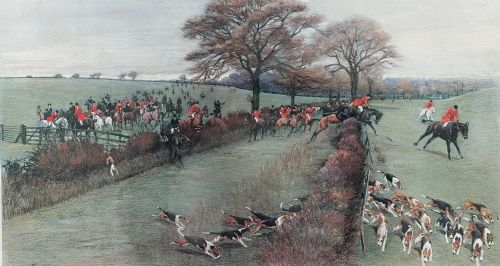
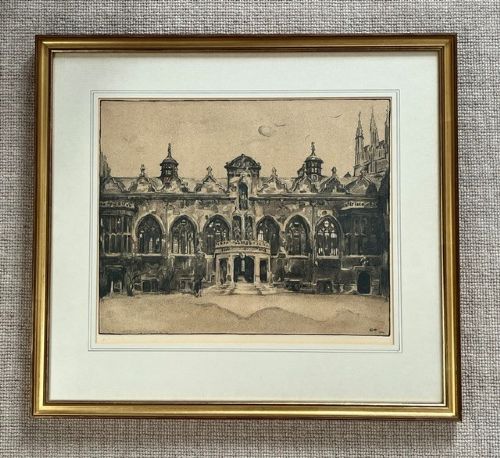
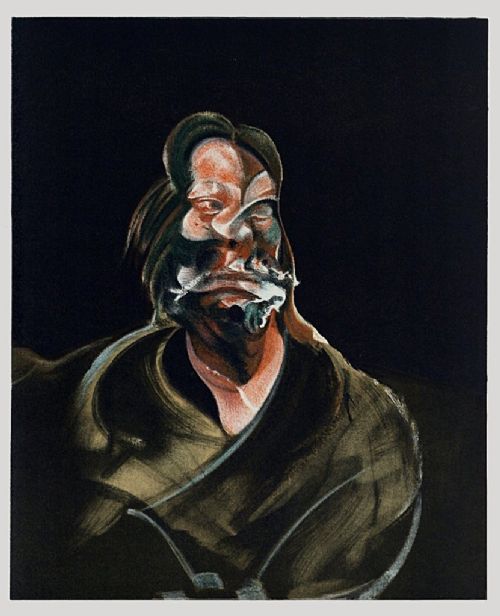
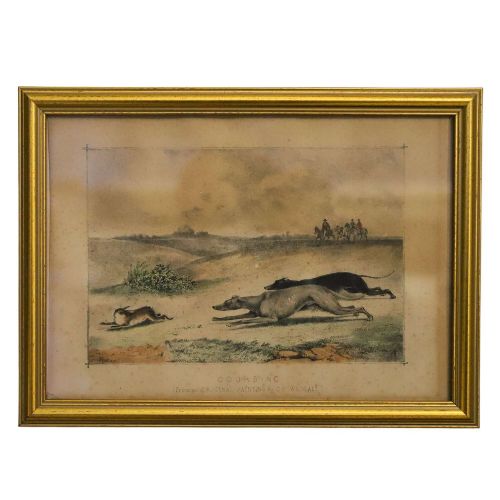
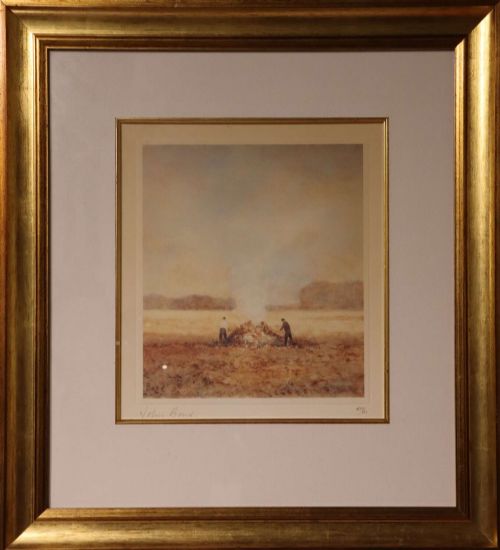
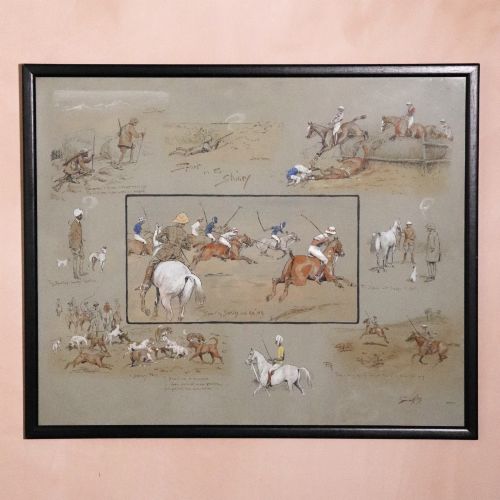
A British lithograph represents a rich tradition of printed imagery spanning from the nineteenth century into the mid-twentieth century and beyond. These works capture subjects ranging from sporting art and military scenes to portraiture and architectural views.
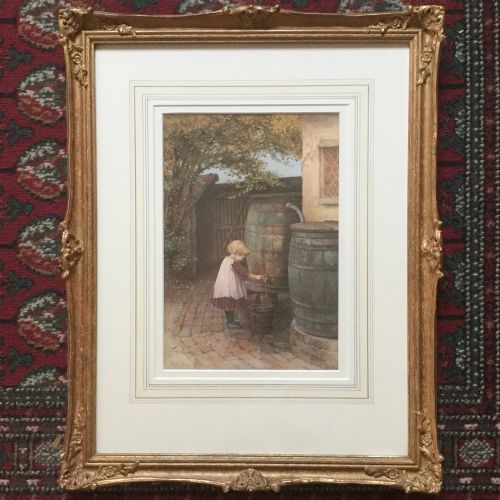
The pieces on this page primarily consist of framed prints, fine art prints, and wall art created using traditional planographic printing methods. Buyers will encounter works from specific eras such as the Victorian period, Edwardian years, and mid-century modernism.
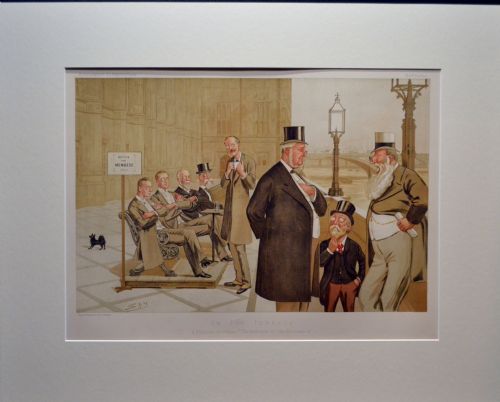
Subjects often reflect British cultural interests, including field sports, military engagements, and notable personalities. Alongside traditional paper prints, related items like decorated novelty tins demonstrate the broader application of lithographic techniques.
Materials and technique
Lithography relies on the chemical repulsion of oil and water applied to a prepared surface, typically transferring ink onto paper to produce the final image. Many of these prints are housed in frames made of wood, gilt wood, and gesso, occasionally incorporating glass and gold leaf.
Artists and printers worked with specialised inks on quality paper stocks, sometimes combining lithography with other mediums such as pastel over lithography. Chromolithography introduced multiple stones or plates to achieve richer colour in the printed image.
British Lithograph Retail Price Guide 2026
Typical asking prices for british lithograph among the pieces listed under this phrase on Sellingantiques today, from the lower quarter to the upper quarter. They describe what is for sale here now, not the wider market.
Listings feature works spanning the nineteenth century, the Victorian and Edwardian eras, through to mid-century modernism and contemporary British art.
Variations in quality
Quality in these prints rests on the clarity of the impression and the fidelity of the transfer from the original drawing or painting. Stronger examples show crisp lines and well-preserved tonal gradations without blurring or fading.
The presence of an artist's signature or limited edition status distinguishes works intended as fine art editions from more commercial or mass-produced items. Framing materials and overall preservation also contribute to the standing of an individual piece.
Sir William Nicholson·Francis Bacon·John Bond·C. H. Weigall·Charles Edward Wilson·John Merrifield·Sir Muirhead Bone·Frank Algernon Stewart·Sonia Lawson
The British Lithograph Glossary
- Lithography
- A planographic printing process based on the property that oil and water do not mix. The image is drawn on a flat surface and inked for transfer.
- Chromolithography
- A colour lithographic technique using a separate stone or plate for each colour. This method creates vibrant, multi-coloured prints.
- Gesso
- A plaster-like mixture applied to wood frames as a base for gilding or painting. It provides a smooth surface for decorative mouldings.
- Sporting art
- Artwork depicting field sports, equestrian subjects, hunting, and shooting. It forms a distinct genre within British print history.
British Lithograph: Frequently Asked Questions
What is a British lithograph?
A British lithograph is a printed work produced in Britain using the planographic lithographic technique. These pieces include fine art prints, sporting scenes, and portraits from various historical periods.
Purchasers collect them for their artistic merit and historical connection to British printmaking traditions.
How do I date a lithograph?
Dating typically relies on the style of the artwork, the paper used, and any documented dates associated with the artist or publisher. Victorian and Edwardian pieces often carry distinct stylistic markers of their eras.
Signatures, stamps, and inscriptions on the margin or reverse also help establish a timeframe.
Are these prints original?
Original lithographs are printed from the stones or plates prepared during the artist's lifetime or under their direct supervision. Many examples on this page are vintage or period printings.
Examining the ink texture and paper helps distinguish an original period print from a modern reproduction.
How should I display framed prints?
Framed lithographs should be hung away from direct sunlight to prevent the ink and paper from fading over time. Maintaining stable indoor humidity protects both the paper print and the wooden or gesso frame.
Using glass with UV-filtering properties offers additional protection for sensitive paper works.