

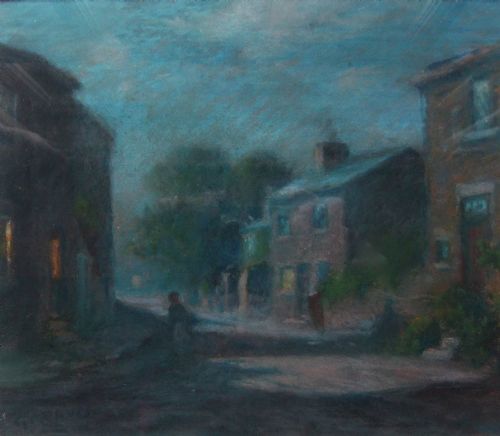


British Landscape Pastel Painting
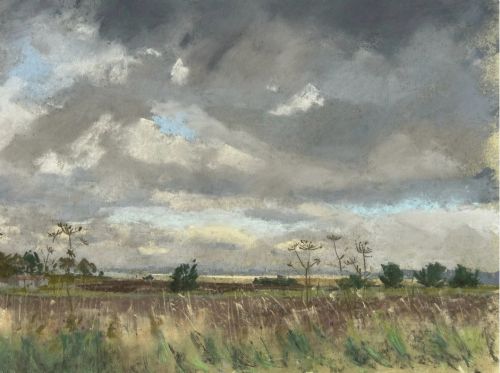
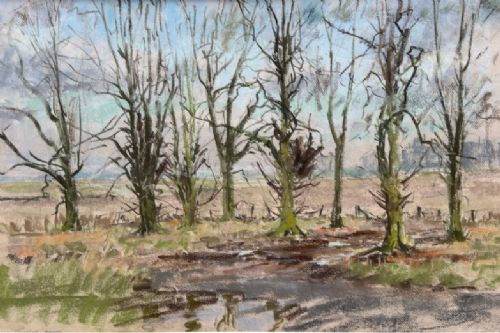
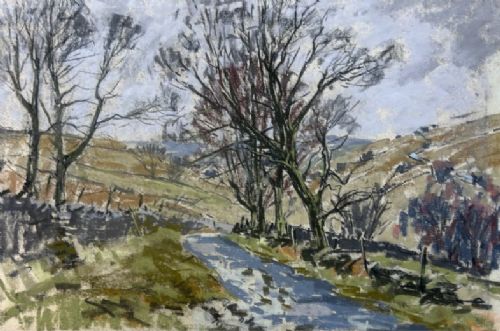
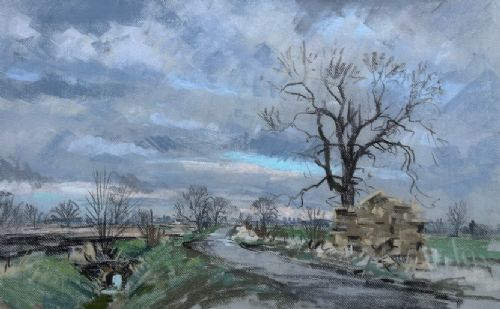
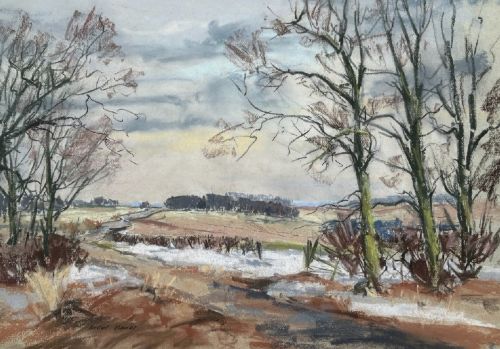
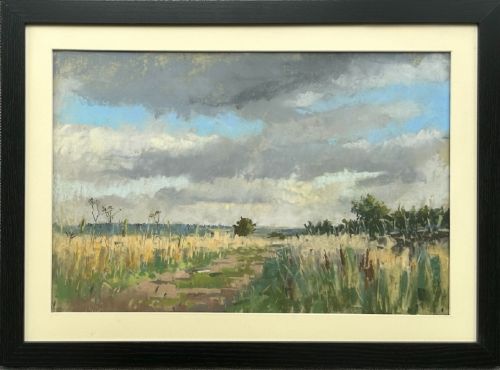
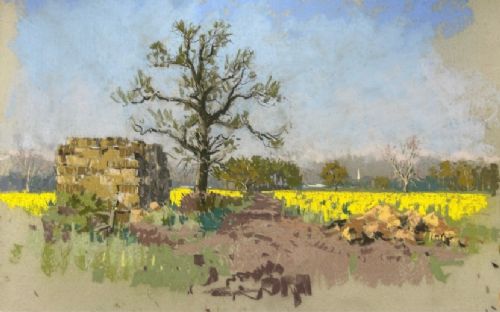
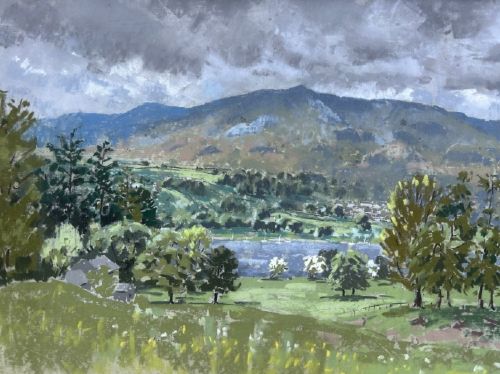
These British landscape pastel painting works capture rural views across Yorkshire, Cumbria, and Devon through soft colour and atmospheric chalk marks.
British Landscape Pastel Painting
A british landscape pastel painting brings rural scenes into domestic interiors through works created across the Victorian, Edwardian, and mid-century periods. These original pictures depict specific regional views, including Yorkshire dales, Lake District waters, and Devon moorlands.
Collectors encounter works dating from the late nineteenth century up to nineteen sixty, capturing changing artistic movements from Victorian pastoral scenes to mid-century British impressionism.
Materials and Techniques
Artists apply dry pastel pigments directly onto paper or card supports, sometimes utilising watercolour or gouache underneath to establish tonal washes. This combination allows draughtsmen to blend fine linear detail with broad, soft areas of colour.
Finished works require protection beneath glass within wooden frames, often accompanied by card mounts and gilt liners to shield the delicate chalk surface from atmospheric damage and physical contact.
British Landscape Pastel Painting Retail Price Guide 2026
Typical asking prices for british landscape pastel painting among the pieces listed under this phrase on Sellingantiques today, from the lower quarter to the upper quarter. They describe what is for sale here now, not the wider market.
Deer occasionally wander into the scenery, watching quietly from the edges of sprawling moorland pastels.
Evaluating Quality
Quality rests upon the artist's ability to capture light, atmosphere, and topography convincingly within the medium of pastel. Stronger compositions demonstrate confident handling of pigment and a sensitive observation of rural weather and terrain.
The preservation of the paper support and the stability of the dry pigment beneath the glass influence the overall standard of a piece. Works that retain their original framing materials and lack surface fading display superior condition.
Angus Rands·Joseph Knight·William Greaves·John Hobson Nicholson·Lamorna Birch
The British Landscape Pastel Painting Glossary
- Pastel
- A dry painting medium composed of powdered pigment and a binder, formed into sticks for drawing onto paper. It produces velvety textures and luminous colour effects.
- Gouache
- An opaque water-based paint containing pigment, water, and a binding agent such as gum arabic. Artists use it alongside pastel to add solid highlights and opaque details.
- Gilt
- A gold leaf or gold-coloured finish applied to wooden picture frames. It adds a traditional decorative border around the artwork.
- Support
- The physical material, such as paper or card, upon which the artist executes the pastel painting. Its weight and tone affect how the pigment adheres.
British Landscape Pastel Painting: Frequently Asked Questions
Are pastels painted on paper?
Most works utilise heavy paper or card as the primary support for the dry pastel strokes. Some pieces incorporate mixed media layers of watercolour beneath the chalk.
Artists select textured paper to help grip the dry pigment particles during the drawing process.
How do I date a landscape pastel?
Dating relies on stylistic clues, framing methods, and documentation tied to the artist's working period. Victorian and Edwardian works often feature heavier gilt frames and traditional pastoral compositions.
Mid-century pieces from the nineteen sixties display looser impressionist brushwork and simpler wooden mouldings.
Where should I hang these artworks?
Hang these pictures on interior walls away from direct sunlight, moisture, and extreme temperature changes to protect the fragile dry pigments. A dry room with stable ambient conditions suits paper works best.
Ensure the frame hangs securely from appropriate fixings to protect the glass and the underlying artwork from knocks.