



British Hallmarked Silver Spoon
A british hallmarked silver spoon brings genuine historical craftsmanship to the table, offering tactile weight and sterling brilliance.
British Hallmarked Silver Spoon
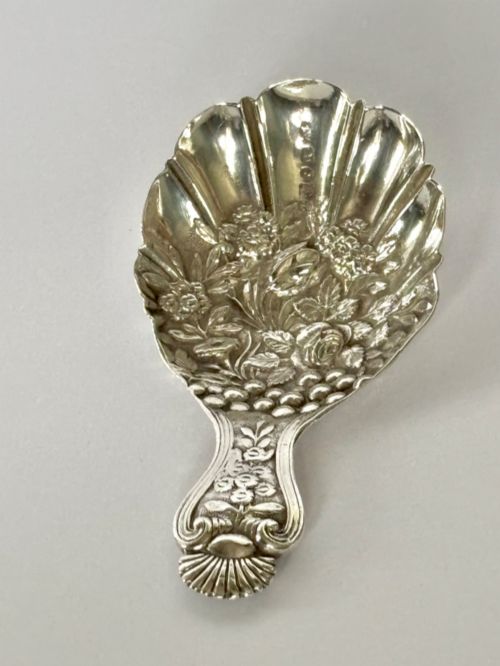
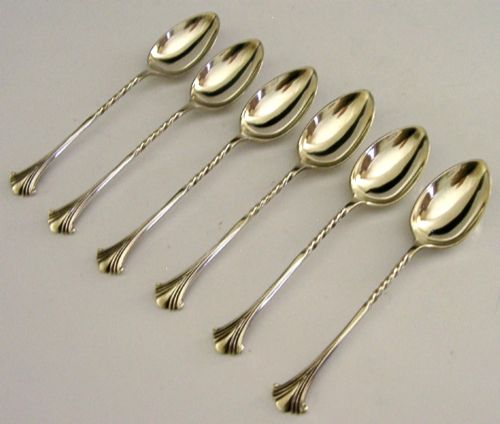
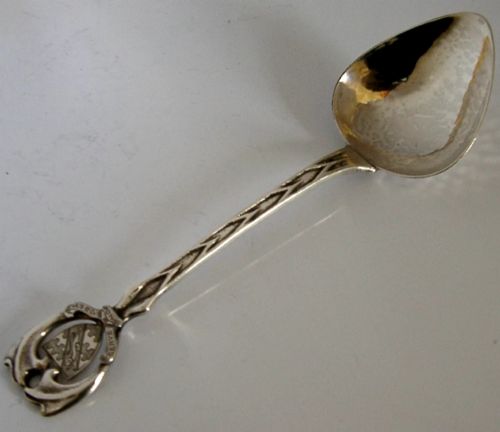
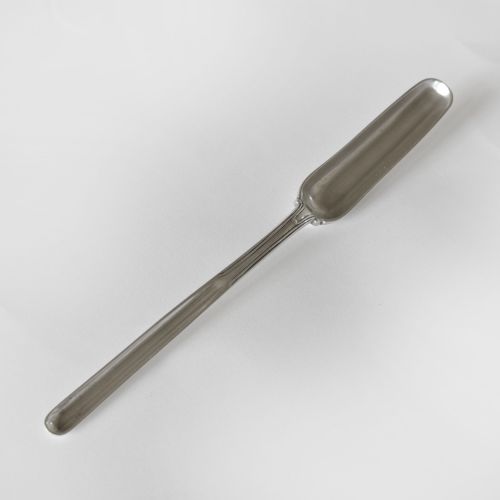
A british hallmarked silver spoon encompasses diverse utilitarian and decorative forms spanning the Georgian, Victorian, and twentieth-century periods. Buyers searching this phrase encounter everything from delicate caddy spoons and teaspoons to substantial basting spoons and marrow scoops.
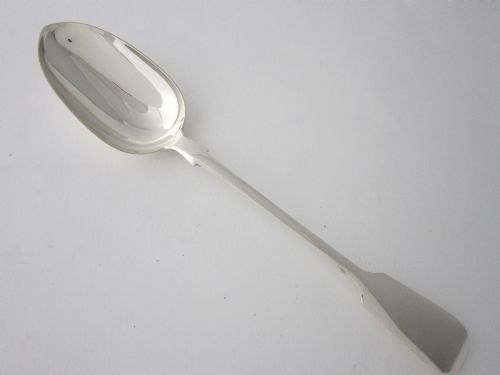
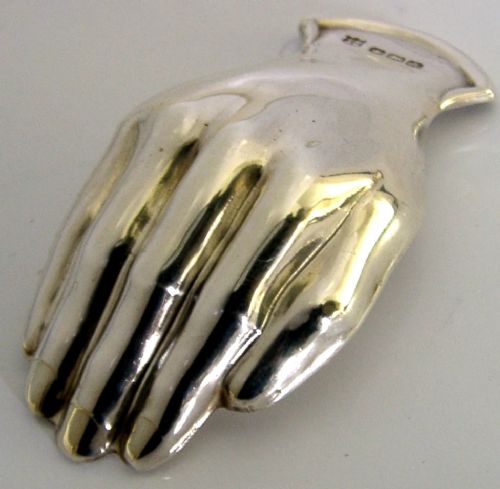
The pieces listed on this page originate predominantly from Victorian and later twentieth-century workshops, showcasing traditional British assay office marks. Forms range from novelty hand designs and shell motifs to classical Fiddle pattern and Old English styles.
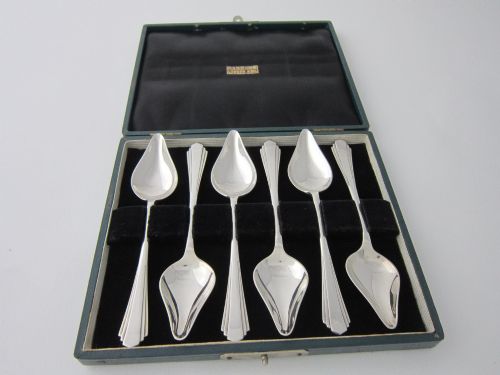
Specialised items such as mustard pots, grapefruit spoons, and ice cream servers also appear alongside standard tableware. Each object reflects the changing dining habits and domestic customs of its respective era.
Materials and Techniques
These items are constructed primarily from sterling silver, formed through traditional silversmithing techniques such as hammering, casting, and pressing. Handles and bowls are shaped to balance functionality with decorative refinement.
Assay office hallmarks are stamped directly into the metal to verify the silver standard and year of production. Additional materials like fabric and leatherette occasionally appear in fitted cases associated with the silverware.
British Hallmarked Silver Spoon Retail Price Guide 2026
Typical asking prices for british hallmarked silver spoon among the pieces listed under this phrase on Sellingantiques today, from the lower quarter to the upper quarter. They describe what is for sale here now, not the wider market.
The listings feature sterling silver pieces spanning the Victorian, Georgian, and twentieth-century eras, including specialised items like marrow scoops and mustard pots.
Assessing Quality
Quality rests in the crispness of the hallmark stamps and the retention of original form without excessive thinning of the silver bowl. Maker attribution to notable silversmiths elevates the interest of a piece significantly.
The complexity of decorative detailing, whether chased floral motifs on a caddy spoon or heavy gauge metal on a serving spoon, distinguishes standard utilitarian output from finer examples.
JOSEPH WILLMORE·Mappin & Webb·George Unite
The British Hallmarked Silver Spoon Glossary
- Hallmark
- Official stamps applied by an assay office to guarantee the purity of precious metals. These marks typically include symbols for the maker, standard, assay town, and date letter.
- Caddy Spoon
- A short-handled spoon specifically designed for measuring loose tea leaves from a caddy. They often feature decorative shell or novelty bowls.
- Fiddle Pattern
- A nineteenth-century flatware style characterised by a broadened, shoulder-like stem resembling a fiddle or violin. It remained popular across Victorian and Edwardian dining tables.
- Marrow Scoop
- A long, narrow silver implement with a small scoop at each end, used historically for extracting marrow from bones. They date predominantly from the Georgian and nineteenth-century periods.
- Sterling Silver
- An alloy of silver containing ninety-two point five percent silver and seven point five percent other metals, usually copper. This standard is universally applied to quality British silverware.
British Hallmarked Silver Spoon: Frequently Asked Questions
How do I read a British silver hallmark?
British hallmarks typically consist of a sequence of small stamped symbols identifying the maker, the silver standard, the assay office, and the year of production.
Consulting standard date-letter charts allows collectors to trace the exact year a particular spoon was submitted for testing.
What distinguishes a basting spoon from a teaspoon?
A basting spoon is significantly larger and longer, designed originally for scooping juices over roasting meat in the kitchen or serving portions at the table.
Teaspoons are smaller scale implements intended for domestic beverage service and everyday dining use.
How should I store antique silver spoons?
Antique silver benefits from storage in dry conditions away from direct sunlight, ideally within tarnish-resistant cloth or dedicated fitted cases.
Minimising exposure to airborne pollutants helps preserve the polished finish and crisp detail of the hallmarks.