






British Fine Art Print
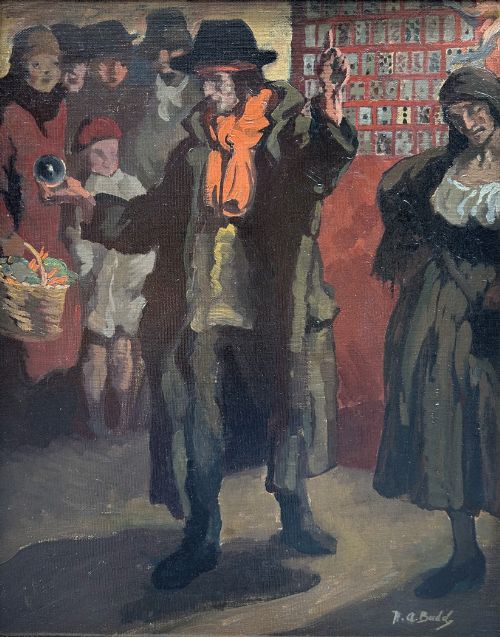
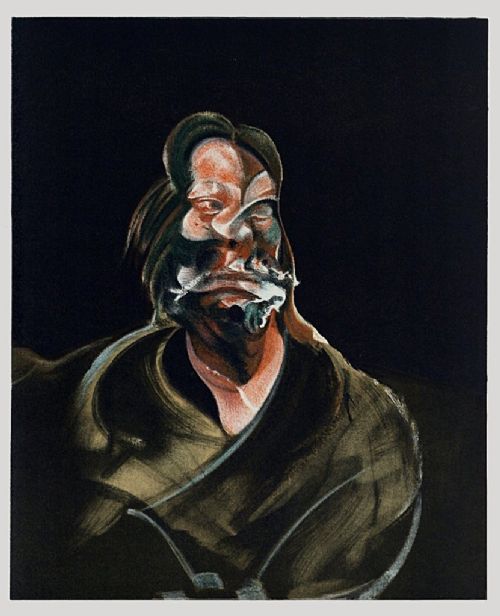
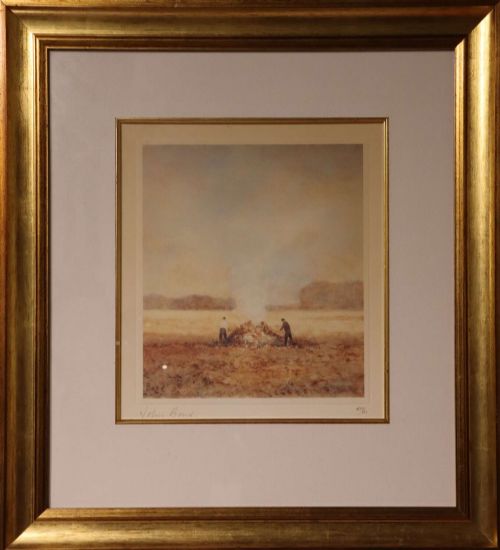
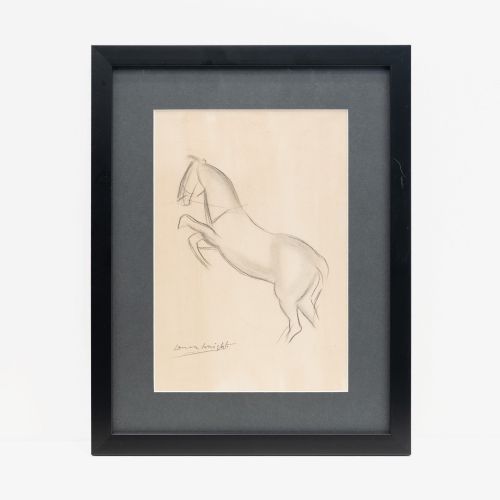
British fine art print pieces bring historic craftsmanship and visual character to your walls, spanning watercolours, oils, and signed lithographs from the nineteenth century onward.
British Fine Art Print
A british fine art print search encompasses a rich variety of framed artwork, including lithographs, etchings, and engravings alongside original oil and watercolour paintings. The pieces encountered on this page stretch from the Victorian era and Edwardian period through to mid-century modernism and later twentieth-century works.
Buyers will find diverse subjects ranging from detailed landscape ink drawings and botanical watercolours to portrait lithographs and genre scenes. These works capture changing artistic movements across Britain, reflecting the distinct styles of periods such as the nineteen-tens, twenties, and sixties.
Materials and methods
The physical construction of these works relies heavily on traditional supports like paper, canvas, and wooden panels combined with ink, watercolour, oil paint, and pastel. Printmakers utilised etching, drypoint, and lithographic techniques to produce detailed plates, while painters built up rich surfaces using oil and watercolour mediums.
Framing materials play an essential role in the presentation of these pieces, with period examples frequently set within gilt wood frames that complement the artwork. The choice of materials directly influences the visual depth and preservation of each individual print or painting.
British Fine Art Print Retail Price Guide 2026
Typical asking prices for british fine art print among the pieces listed under this phrase on Sellingantiques today, from the lower quarter to the upper quarter. They describe what is for sale here now, not the wider market.
The material palette recorded across these pieces combines traditional paper, canvas, and wood supports with oil, watercolour, ink, and pastel mediums.
Defining quality
The distinction between standard works and superior examples rests on the strength of the composition, the clarity of the medium, and the fidelity of the impression. Skilled handling of ink, watercolour, or oil paint creates a depth and permanence that elevates certain pieces above routine commercial production.
Provenance and documentation further separate notable pieces from anonymous works, with signed plates, artist pencil inscriptions, and gallery labels offering clear evidence of authorship. The integration of period framing and the overall state of preservation also contribute significantly to the standing of any given work.
Francis Bacon·John Bond·Dame Laura Knight·Augustus Edwin John·Herbert Dicksee
The British Fine Art Print Glossary
- Lithograph
- A print made from a flat stone or metal plate on which the image is applied with greasy ink so that it will take the printing ink. This planographic method allows for subtle tonal gradations and fluid lines.
- Drypoint
- An intaglio printmaking technique where an image is scratched directly into a metal plate with a sharp needle. This process raises a burr of metal that gives the printed lines a rich, velvety appearance.
- Etching
- A process where lines are bitten into a metal plate with acid before ink is applied and transferred to paper. It permits fine linear precision and varied tonal effects.
- Provenance
- The documented history of ownership and exhibition for an artwork. A recorded trail helps verify authenticity and adds historical context to the piece.
British Fine Art Print: Frequently Asked Questions
How do I care for antique paper and prints?
Keep works on paper away from direct sunlight to prevent fading of the inks and watercolours. Maintain stable indoor humidity levels to protect both the paper support and the surrounding frame.
Ensure that framing utilises acid-free materials and that glazing prevents direct contact between the artwork and the glass. Professional conservation framing preserves the long-term stability of vintage prints.
What is the difference between an etching and a lithograph?
An etching involves cutting or biting lines into a metal plate using acid to hold the printing ink. This creates characteristic raised lines with a distinct impression on the paper surface.
A lithograph is printed from a flat surface treated to repel or accept ink based on greasy drawn marks. It produces smoother tonal transitions without the deep plate mark found on intaglio prints.
How should I display framed artwork safely?
Select wall locations that avoid extreme temperature fluctuations from radiators or fireplaces. Secure the hanging wire with appropriate wall anchors suited to the weight of the frame and glass.
Check the backing boards and hanging hardware periodically to ensure the piece remains securely supported. Proper placement enhances visual enjoyment while protecting the antique materials from environmental stress.
Can I identify the period of a print by its framing?
Original frames often provide strong clues to the era of a piece, especially when utilising period-appropriate gilt wood mouldings. However, frames are frequently replaced over time to suit changing domestic tastes.
Look for secondary evidence such as old backing papers, gallery labels, and handwritten inscriptions to confirm the dating alongside stylistic indicators.