




British Expressionist Oil
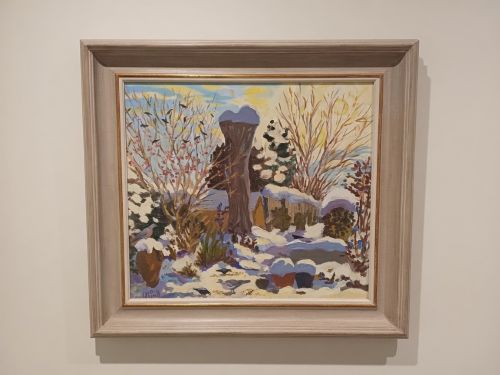
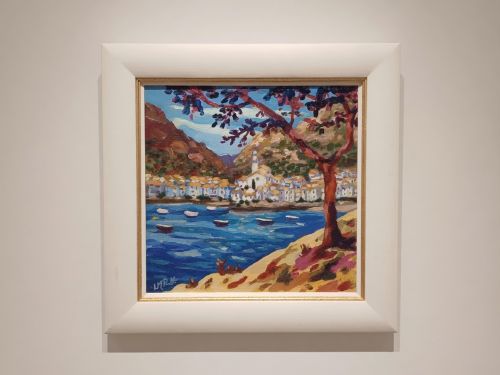
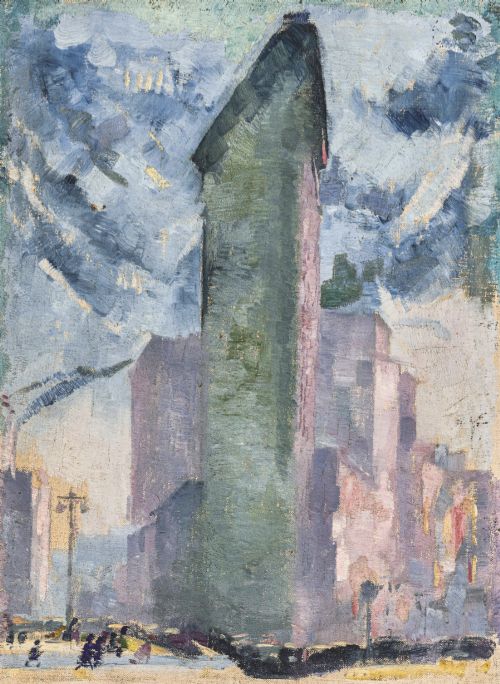
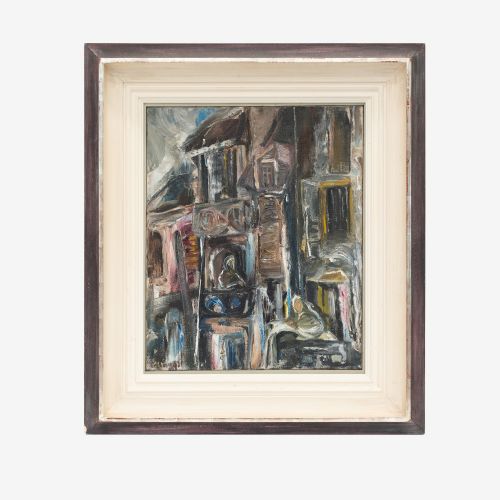
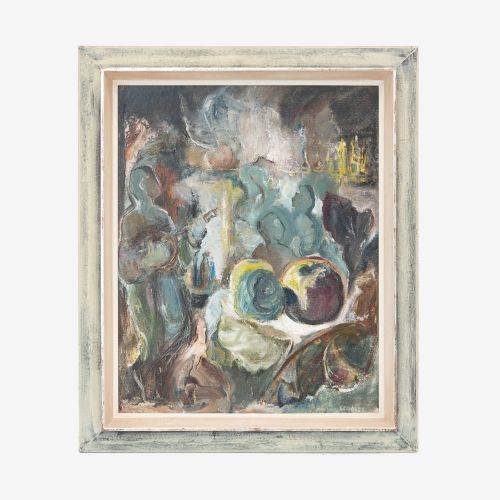
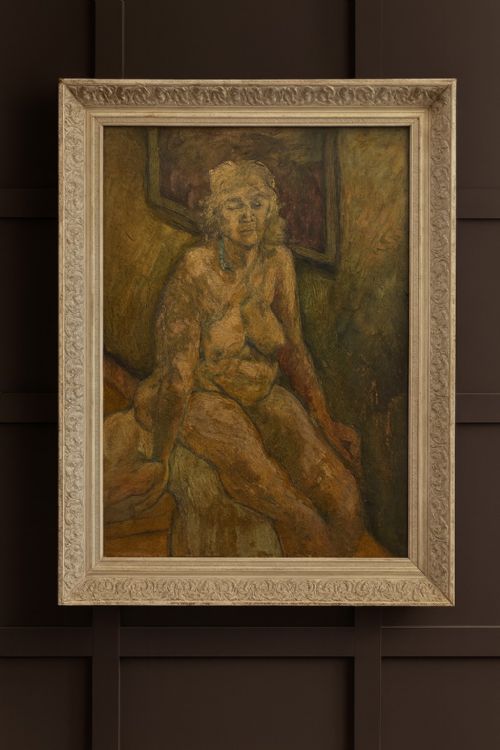
These british expressionist oil works capture striking form and mood through bold brushwork across mid-century canvases.
British Expressionist Oil
When you search for british expressionist oil, you encounter mid-century paintings spanning landscapes, figures, and abstract compositions from the early to late decades of the twentieth century.
The selections on this page feature framed oils on canvas, board, and wood panel created by named British artists and contemporary makers working within modern British and expressionist traditions.
You meet works such as Cornish scenes, Parisian streetscapes, nudes, and dynamic animal studies that reflect the distinct energetic mark-making of the period.
Materials and construction
Makers apply oil paint directly to stretched canvas, wooden board, or wood panels, sometimes laying canvas onto board for added rigidity.
Artists utilise heavy brushwork and thick impasto, occasionally building up textured relief surfaces that give the paint physical depth.
Works are typically housed in fitted wood frames that complement the modernist palette and protect the edges of the painted support.
Several canvases capture unexpected subjects, including a fierce cockpit battle between birds and a stormy Welsh moon.
Evaluating quality in these paintings
Quality rests in the confidence of the brushwork and the clarity of the composition, where expressive gesture successfully conveys atmosphere and form rather than mere illustration.
The strength of the provenance and the presence of clear signatures or biographical documentation elevate specific pieces above anonymous works.
The preservation of the original oil surface, minimal pigment cracking, and the harmony between the painting and its period frame distinguish superior examples.
Lucy Pratt·Alfred Wolmark·Lilian Colbourn·Joan Gillchrest·Tony Giles·Hazel M Barnett·William McCance·Raymond Arthur Roadnight·Lillian M Harrison·Bernard Meninsky·William Ernst Burwell
The British Expressionist Oil Glossary
- Impasto
- A technique where oil paint is laid thickly on a surface, standing out from it so that the marks of the brush or palette knife are visibly retained.
- Oil on board
- A painting method utilising rigid wooden board as the primary support for oil colours instead of woven fabric.
- Modern British
- An umbrella term for art produced in Britain during the twentieth century that absorbed European modernist movements while retaining local character.
- Impressionism
- A nineteenth-century painting style focusing on accurate depiction of light in its changing qualities, influencing later British movements.
- Relief painting
- Artwork incorporating raised structural elements or thick sculptural paint applications that project outward from the flat plane.
British Expressionist Oil: Frequently Asked Questions
How do I date a british expressionist oil painting?
Examine the signature, canvas backing, and framing style alongside any visible dates inscribed by the artist. Mid-century works often bear specific stylistic hallmarks of the nineteen-fifties and nineteen-sixties.
Compare the subject matter and handling of paint with known timelines of the makers represented in the evidence to narrow down the decade of creation.
What is the difference between canvas and board supports?
Canvas provides a flexible woven fabric surface that is stretched over a wooden frame, offering slight give under the brush. Board is a rigid wooden panel that provides a completely firm foundation for heavier pigment applications.
Both supports appear frequently across mid-century British painting depending on the artist's personal preference for working texture.
How should I care for an antique oil painting?
Keep the painting away from direct sunlight, high humidity, and rapid temperature fluctuations to protect the wooden support and prevent the oil paint from cracking. Dust the surface gently with a dry, soft brush without applying pressure.
Avoid using water or chemical cleaning solvents on the painted surface, and consult a professional conservator if the canvas requires deep cleaning.
How do I display these framed works at home?
Hang the paintings on interior walls using sturdy picture hooks rated for the weight of the wood frame and support. Ensure the hanging location avoids moisture sources such as bathrooms or uninsulated exterior walls.
Pair the mid-century aesthetic with simple interior backgrounds that allow the bold colours and expressive brushwork of the oil to remain the focal point.