

British Country Watercolour
British country watercolour paintings capture rural life, quiet villages and pastoral landscapes through delicate pigment on paper.
British Country Watercolour
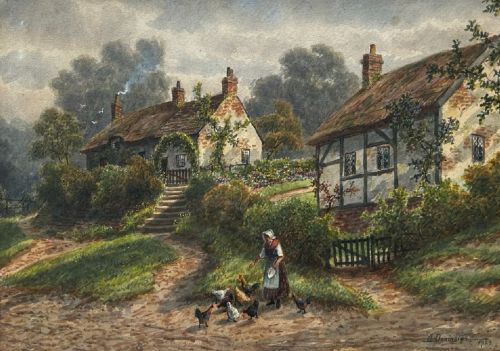
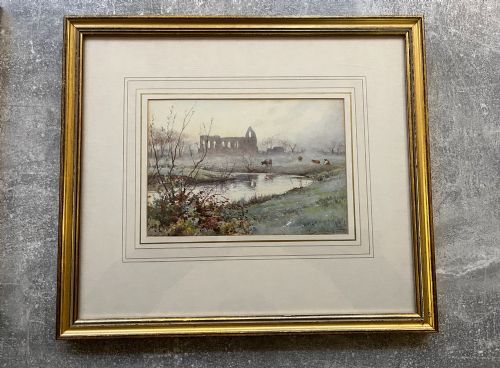
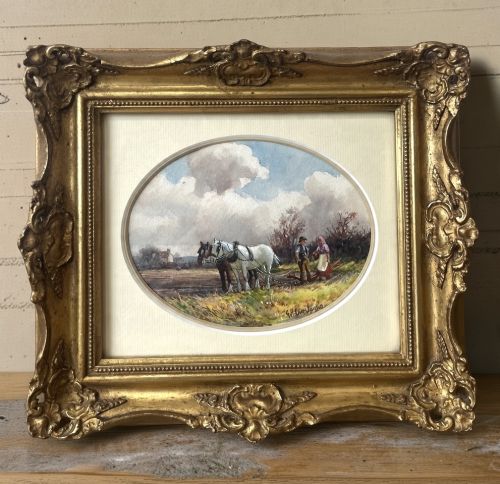
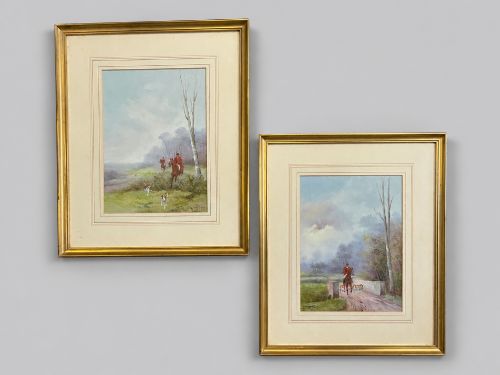
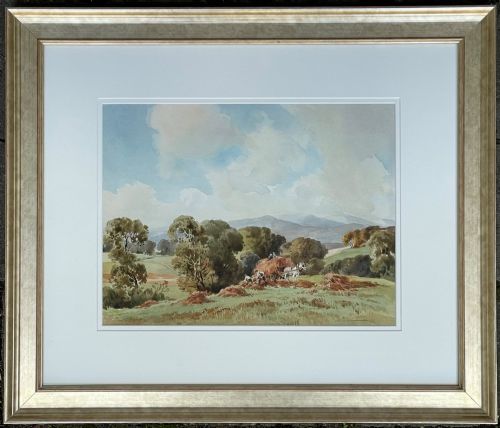
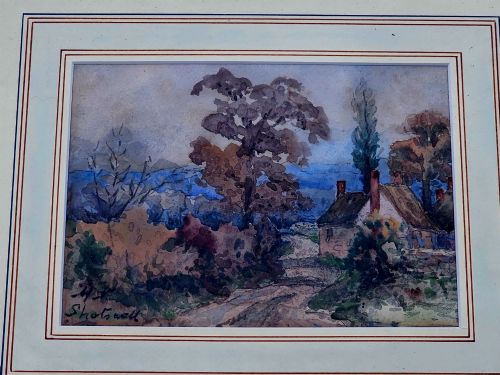
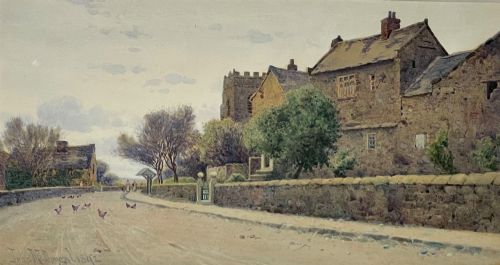
A British country watercolour presents scenes of rural life, farming, and landscapes executed on paper. These paintings range from Victorian depictions of villages to early twentieth-century pastoral views.
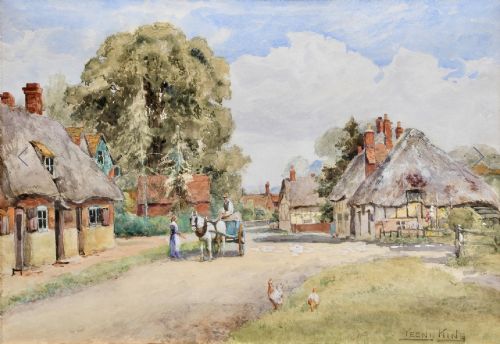
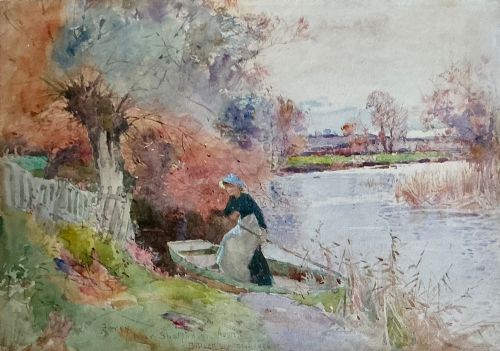
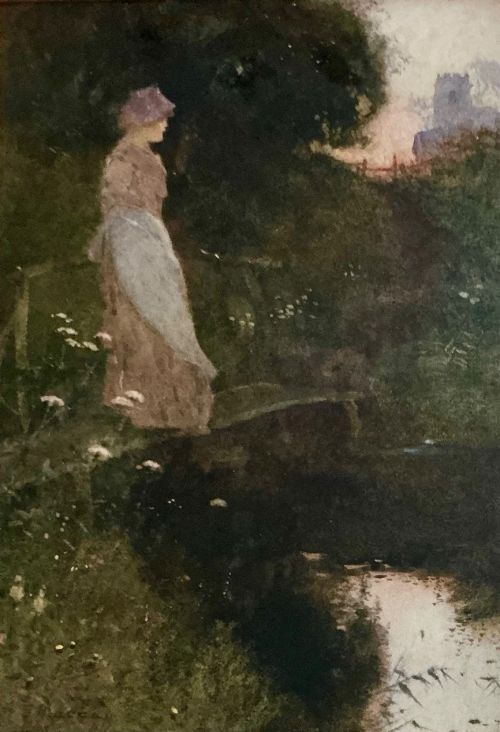
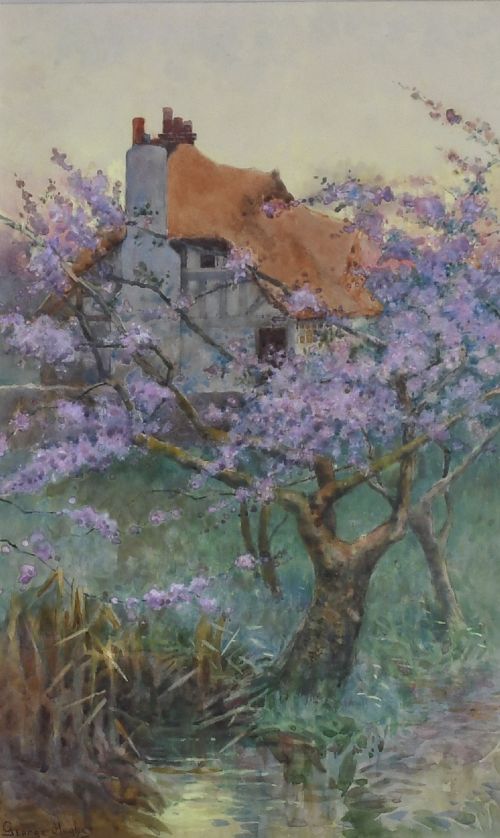
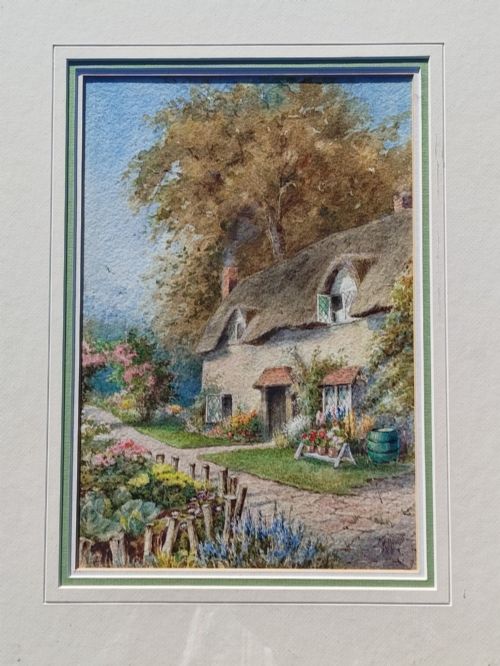
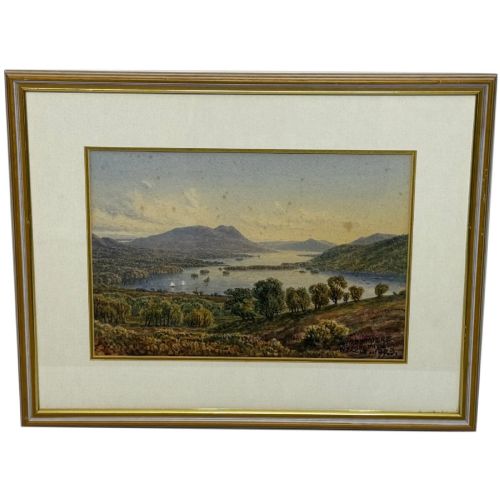
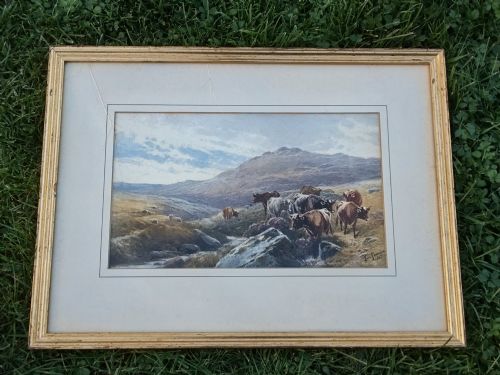
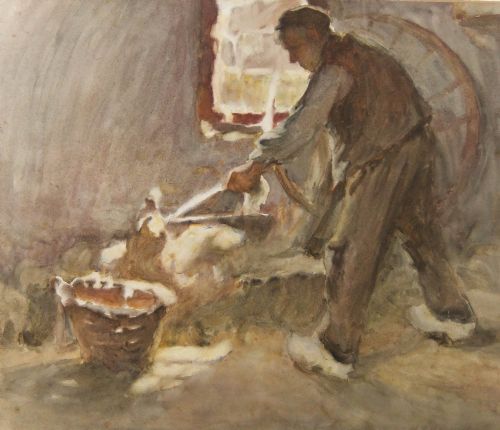
The works on this page frequently portray cottages, rivers, livestock, and country figures. Such pieces record local topography and traditional trades across various regions of Britain.
Examples span the nineteenth century through the mid twentieth century, encompassing Victorian, Edwardian, and British Impressionist styles. Landscapes and village street scenes dominate the available selection.
How they were made
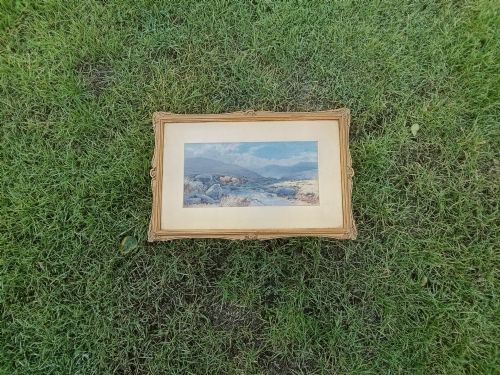
Artists applied watercolour pigment and ink onto paper supports, occasionally incorporating bodycolour or pencil underdrawing. Many works received framing behind glass, sometimes with gilt or wood surrounds.
Techniques relied on washes of transparent pigment to build light and atmosphere across the paper. Artists captured transient weather and seasonal changes using fluid brushwork on absorbent surfaces.
British Country Watercolour Retail Price Guide 2026
Typical asking prices for british country watercolour among the pieces listed under this phrase on Sellingantiques today, from the lower quarter to the upper quarter. They describe what is for sale here now, not the wider market.
Periods represented span the Victorian era, Edwardian period, and twentieth century up to nineteen sixty.
What varies in quality
Compositional strength and atmospheric control separate accomplished works from routine topographical recording. The handling of natural light and tonal depth determines the visual impact of the landscape.
Condition of the paper and preservation of pigment vibrancy influence the standing of a piece. Works retaining their original colour saturation without excessive fading or foxing represent the higher tier.
Thomas Rowden·Percy Lancaster·John McDougal·Henry Silkstone Hopwood·Fred Lawson·Robert Thorne Waite·John Smith Atherton·Joseph H Barnes·Frederick James Kerr·Edgar Woollatt·Robert Little·Arthur Reginald Smith·Henry John Kinnaird·Henry E Hobson·Arthur Hopkins·Ernest Pile Bucknall·James Orrock·Rowland Henry Hill·John Atkinson·Henry Bailey·Theresa Stannard·Louie Stanley Maurice Prince·Owen Bowen·George Arthur Fripp·Frederick G Coulridge
The British Country Watercolour Glossary
- Watercolour pigment
- Finely ground colour suspended in a water-soluble binder, applied in thin washes to paper. This medium allows for luminous effects and delicate tonal gradations.
- Bodycolour
- Watercolour mixed with white pigment to make it opaque. Artists utilise this technique to add highlights and solid areas of light to a composition.
- Gilt
- A thin layer of gold applied to frames or details within the work. It provides a decorative border that isolates the painting from its surroundings.
- Edwardian Pastoral
- A stylistic movement reflecting an idealized rural England during the early twentieth century. These subjects emphasise tranquil countryside scenes and traditional village life.
British Country Watercolour: Frequently Asked Questions
How do I care for a watercolour painting?
Keep the artwork away from direct sunlight to prevent the pigments from fading over time. Maintain stable humidity levels to protect both the paper support and the frame.
Ensure the painting remains securely glazed behind glass with proper spacing from the paper surface. Avoid hanging works in damp environments such as unheated rooms or kitchens.
Are these paintings original works?
The listings comprise original painted works on paper rather than mechanical reproductions or prints. Each piece represents a unique hand-painted composition created by the named artist.
Signatures, dates, and inscriptions often appear on the front or mount to confirm authenticity. Stylistic evidence and period materials further verify the age of each painting.
How are periods identified in these watercolours?
Dates rely on artist life spans, inscribed signatures, and stylistic markers specific to nineteenth and twentieth-century movements. Victorian and Edwardian examples often feature traditional dress and architectural details.
Paper types, framing styles, and archival notes provide additional context for dating. Comparing technique against known dated works helps establish the period accurately.
What subjects are most common?
Rural landscapes, country cottages, and farming scenes appear frequently across the selection. Artists recorded agricultural life, village streets, and regional waterways throughout Britain.
Views often include figures engaged in daily rural tasks, livestock grazing, or coastal architecture. These subjects reflect contemporary interest in preserving traditional country scenes.