
British Country Oil Painting
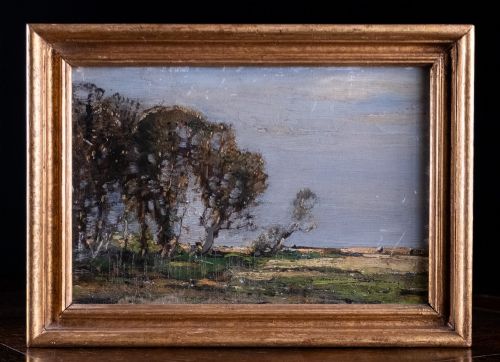
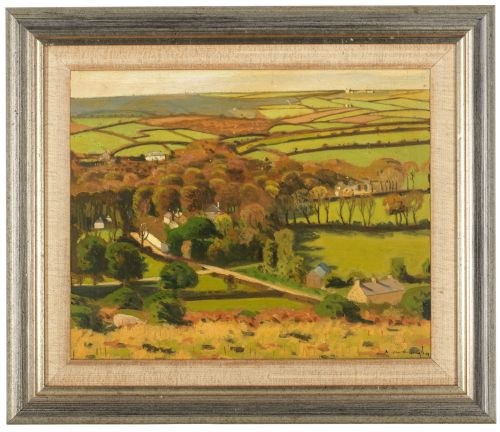
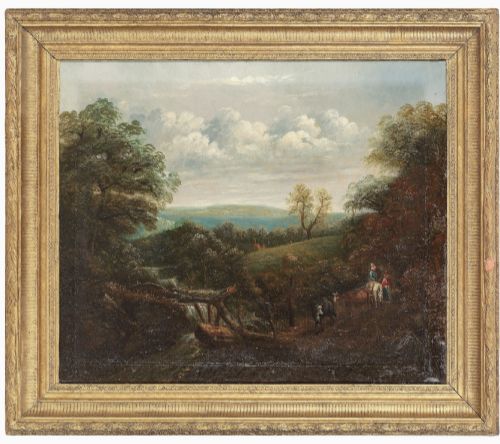
When you search for a british country oil painting, you find rural scenes and pastoral views captured by British artists across various centuries.
British Country Oil Painting
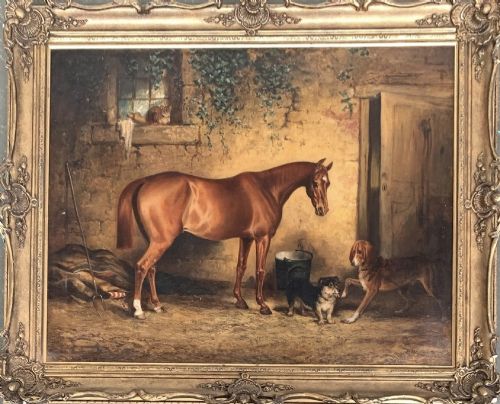
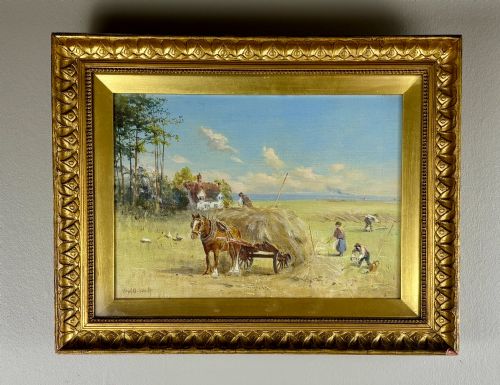
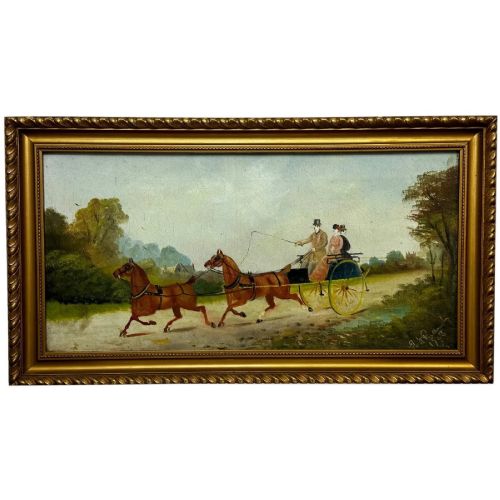
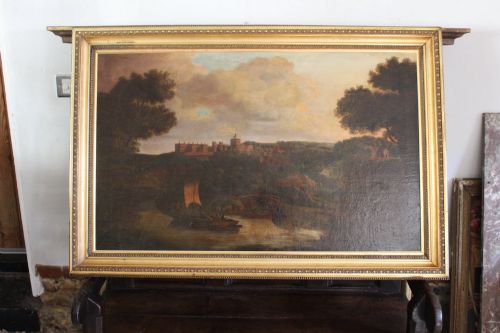
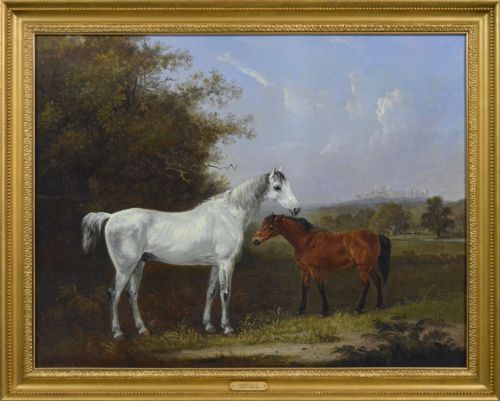
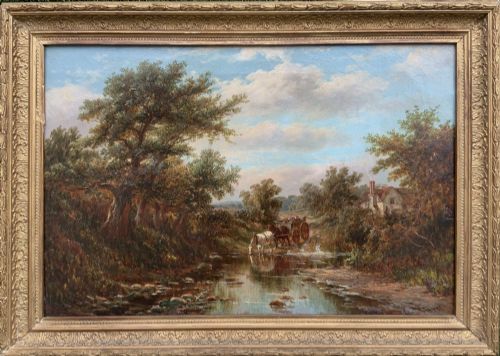
A british country oil painting represents rural life, agricultural scenes, and landscapes across the British Isles. These works capture domestic settings, farmyards, animals, and natural vistas from the nineteenth and twentieth centuries.
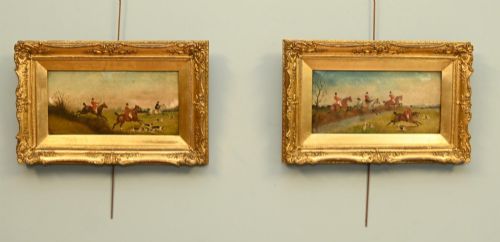
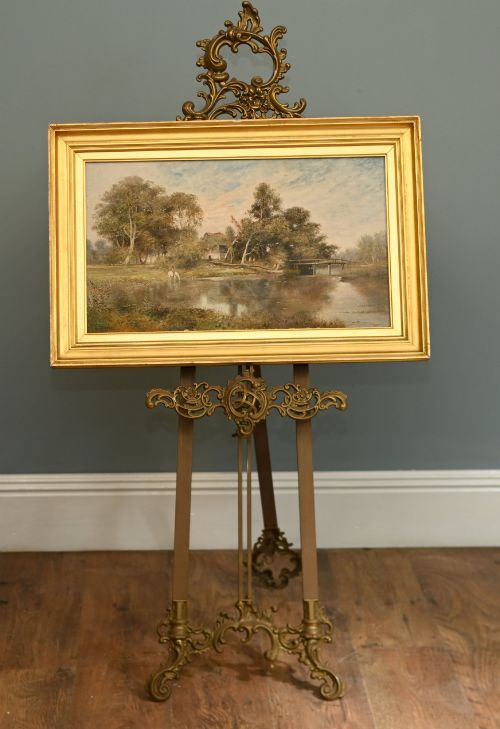
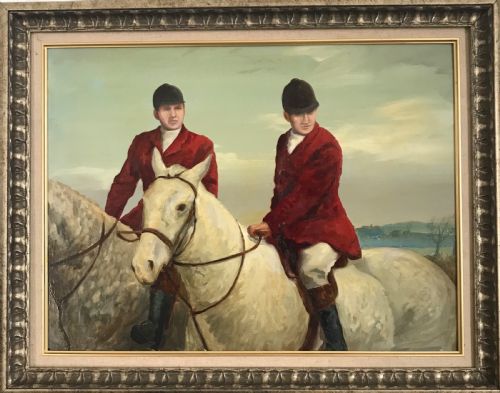
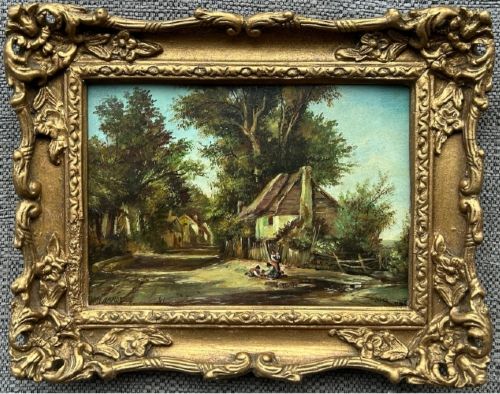
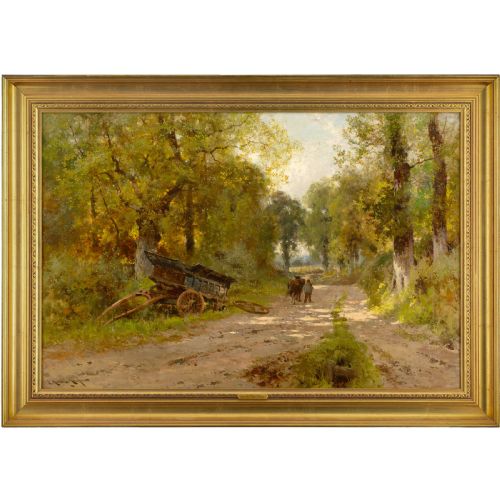
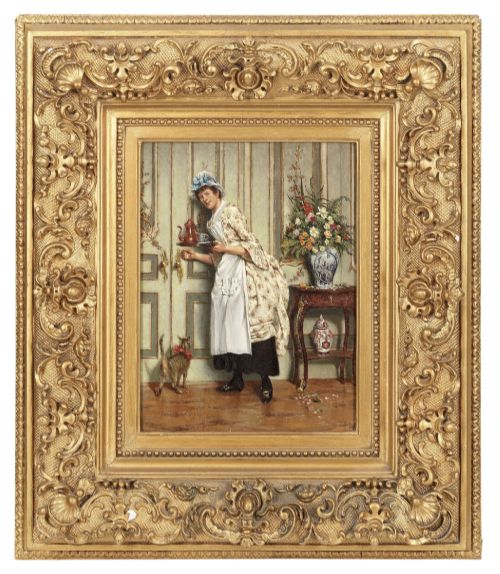
The selections on this page range from Victorian pastoral views and sporting art to later twentieth-century interpretations of countryside paths, rivers, and coastal regions. Most pieces showcase traditional mediums applied to canvas, board, or wooden panels within period frames.
How They Were Made
Artists painted primarily with oil paint on stretched canvas, wooden board, or panels, sometimes laying older canvases onto newer boards for structural support. These supports received priming layers before pigment application.
Many works were housed in gilt wood and giltwood frames that enhanced the visual depth of the pastoral subjects and protected the perimeter of the canvas or board.
The listings span from the Victorian period through the 1960s, utilising oil paint on canvas, board, and wood panel.
What Varies in Quality
The nuance in brushwork and the handling of natural light distinguish more accomplished compositions from simpler decorative views. Stronger works demonstrate a confident command of tone within trees, skies, and water.
The integrity of the original surface, the presence of legible signatures or documented provenance, and the matching period frame influence the overall character of a piece.
William Howard Hardy·John Horace Hooper·Kershaw Schofield·Stephen Samuel Lewin·Robert Morson Hughes·Robert John Hammond·Walter Heath Williams·Edgar Hunt·George Wright·William Albert Clarke·Herbert Royle·Carl Whitfield·Sydney Yates Johnson·A M Gauci·Hubert Wellington·Owen Bowen·Charles Walter Simpson·Harry Freckleton·John Arthur Lomax·William JB Jenkins·Ernest Higgins Rigg·John Bell·Percy Hipkiss·FW Hinsley·John Westall
The British Country Oil Painting Glossary
- Oil on Canvas
- Pigments suspended in a drying oil applied to a woven fabric stretched across a wooden frame. This primary support allows for varied texture and layering.
- Gilt Wood
- Carved timber treated with a thin layer of gold leaf or metallic gilt. These frames frequently accompany nineteenth-century pastoral works.
- British Impressionism
- A painting style focusing on light and everyday subjects influenced by French movements but adapted by British artists. It appears across landscape and rural scenes.
- Oil on Board
- Pigments applied directly to a rigid wooden or composition panel rather than flexible fabric. This surface provides a firm base favoured by many twentieth-century painters.
British Country Oil Painting: Frequently Asked Questions
What periods do these paintings cover?
The works span from the late eighteenth century through the Victorian era and into the mid twentieth century.
Artists recorded changing rural environments, agricultural practices, and village life across these successive decades.
How should I hang an oil painting?
Position paintings away from direct sunlight and fluctuating heat sources to protect the canvas and oil pigments.
Ensure secure fixings into wall studs or appropriate plaster anchors to support the weight of the framed artwork.
What subjects appear most frequently?
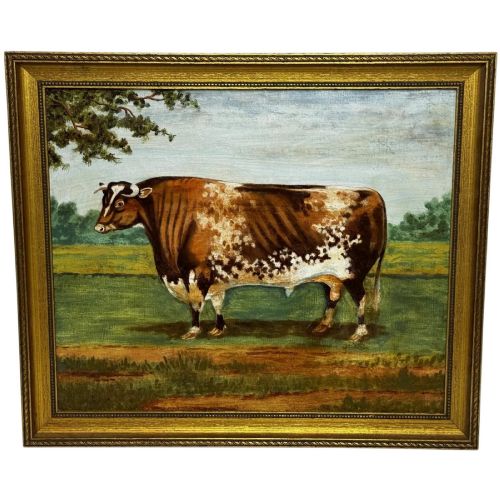
Common subjects include pastoral landscapes, rivers, cottages, farmyards, and livestock such as horses, bulls, and sheep.
Sporting art and domestic interior scenes with figures also feature prominently among the rural compositions.
Are the frames original to the pieces?
Many works retain their period gilt wood frames, which complement the age and aesthetic of the canvas.
Some pieces have been reframed over time or maintain later settings that suit the overall presentation.