




British Bird Artwork
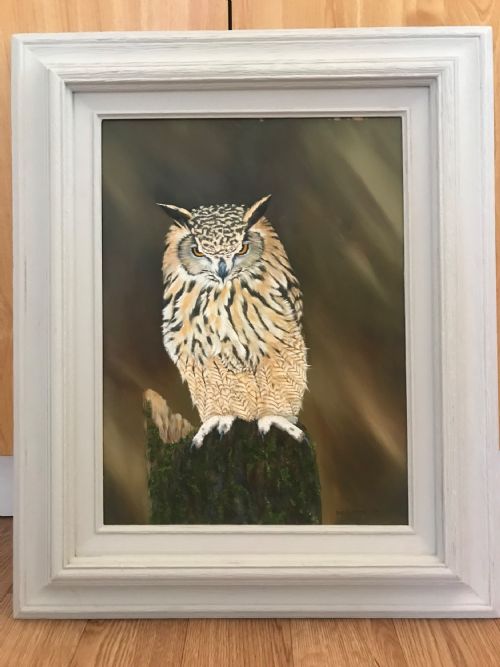
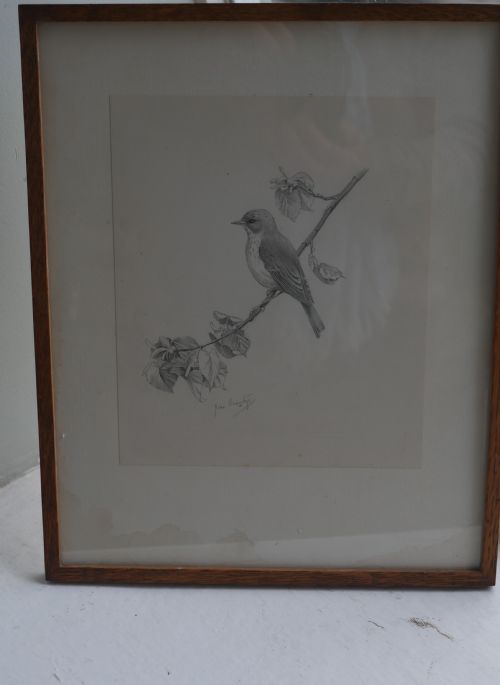
British bird artwork captures the natural world through mediums like watercolour and oil on canvas, offering collectors an authentic window into ornithological history.
British Bird Artwork
When you search for British bird artwork, you encounter a range of depictions spanning from the nineteenth century to the mid twentieth century. These pieces record avian subjects through the distinct eyes of naturalists and artists.
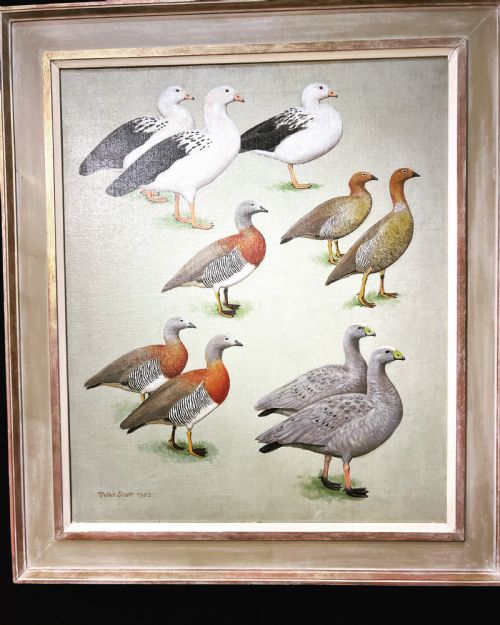
The works on this page frequently appear as watercolour paintings and oil paintings. You will find subjects ranging from individual studies of blue tits to expansive scenes of geese flying over the fens.
Many examples emerge from periods such as the Victorian era and the nineteen thirties. These span diverse styles including British naturalism, Victorian still life and interwar realism.
Materials and techniques
Artists historically applied oil paint onto canvas or panel to capture the texture of plumage and the atmosphere of marshlands. Watercolours on paper offer a lighter, more immediate record of ornithological subjects.
Framing often complements the artwork, utilising materials such as wood to preserve paper and canvas pieces. Detail is frequently achieved through fine brushwork or precise pencil drawing.
British Bird Artwork Retail Price Guide 2026
Typical asking prices for british bird artwork among the pieces listed under this phrase on Sellingantiques today, from the lower quarter to the upper quarter. They describe what is for sale here now, not the wider market.
Listings feature works created across the nineteenth and twentieth centuries, utilising oil paint, watercolour, canvas, paper and wood.
Evaluating the range
Quality rests upon the artist's ability to render anatomical precision alongside natural movement. Pieces by documented figures show a superior command of light and composition compared to anonymous works.
The condition of the paper, canvas or panel dictates longevity and visual clarity. Original framing and clear provenance further distinguish the finest examples from standard decorative items.
Oliver Clare·Thomas Blinks·Arthur Wardle·Charles F. Tunnicliffe
The British Bird Artwork Glossary
- Watercolour painting
- A work executed with water-soluble pigments on paper. This medium allows for translucent washes and delicate feather details.
- Oil on canvas
- A traditional painting method utilising pigments bound in a drying oil applied to stretched fabric. It provides rich colour depth and durability.
- British naturalism
- An artistic movement focusing on the faithful representation of the British countryside and its fauna. Practitioners observe nature with careful empirical attention.
- Victorian still life
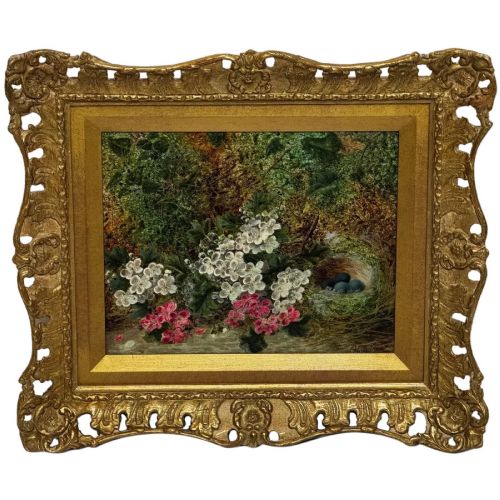
- A genre popular in the nineteenth century depicting inanimate objects or natural specimens. Bird nests and blossoms frequently feature in these composed arrangements.
British Bird Artwork: Frequently Asked Questions
What periods do these bird artworks cover?
The pieces span from the nineteenth century through the Victorian era and into the mid twentieth century. You will encounter works originating from the nineteen tens, twenties, thirties and fifties.
Each era brings its own palette and stylistic approach, shifting from detailed Victorian naturalism toward freer mid century expressions.
What materials were used by the artists?
Artists employed watercolour on paper, oil paint on canvas and oil on wooden panels. Pencil drawings also appear among the natural history studies.
Frames are predominantly constructed from wood, occasionally retaining their original period character.
How are different bird species represented?
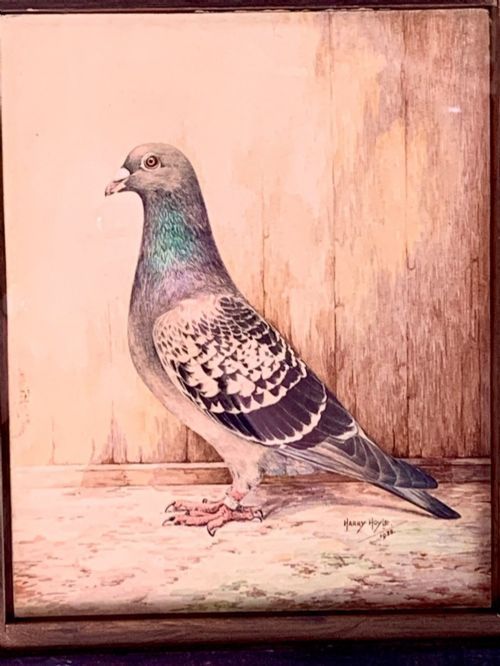
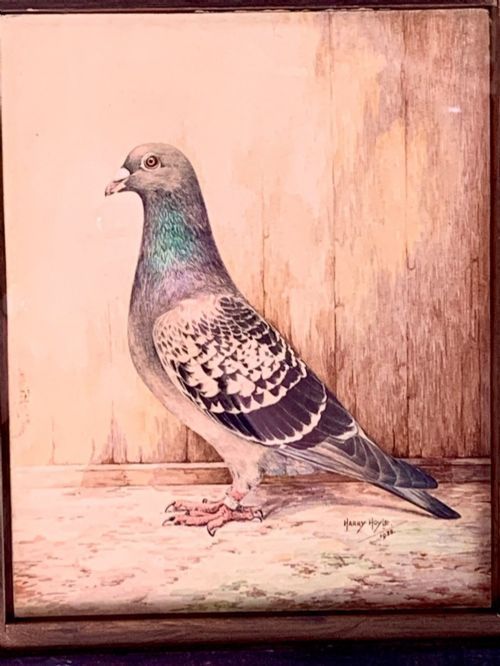
Subjects range from solitary studies of blue tits and thrushes to sporting scenes featuring racing pigeons and ducks in flight. Nests with eggs also form a recurring motif in nineteenth century compositions.
Some pieces place birds within specific landscapes like the Fens, while others focus purely on ornithological portraiture.
How do I identify a Victorian piece?
Victorian works often display meticulous attention to botanical and avian detail, frequently pairing birds with blossoms or nests. The framing and paper or canvas ageing provide further contextual clues.
Stylistic markers align with Victorian naturalism and sporting art traditions of that century.