


British Art Drawing
British art drawing brings together characterful works on paper spanning pastoral landscapes, portraits, and expressive mid-century compositions.
British Art Drawing
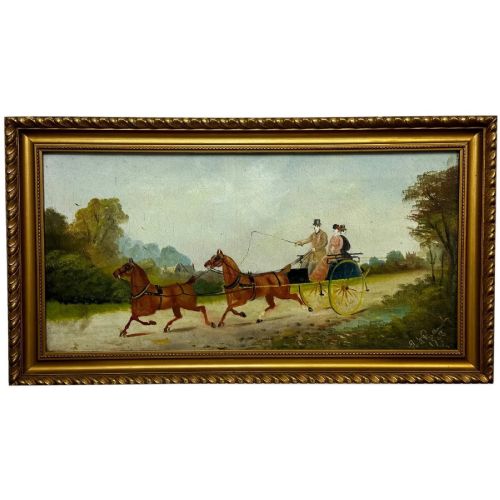
A british art drawing encompasses original works executed primarily on paper through the nineteenth and twentieth centuries. These pieces reflect shifting aesthetic movements, ranging from Edwardian pastoral scenes to robust mid-century modernist explorations.
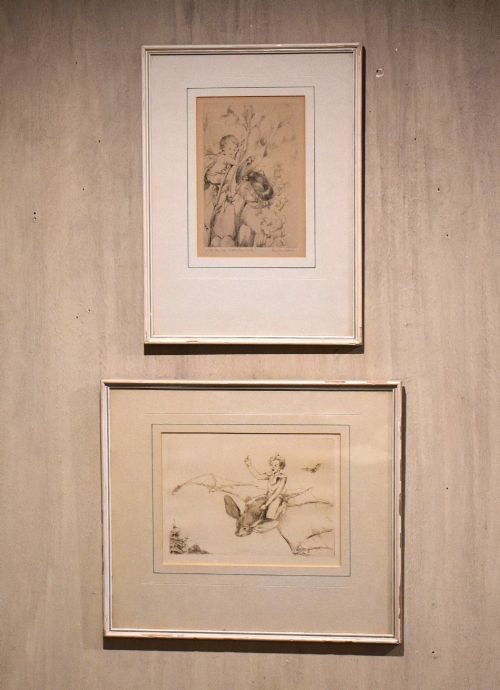
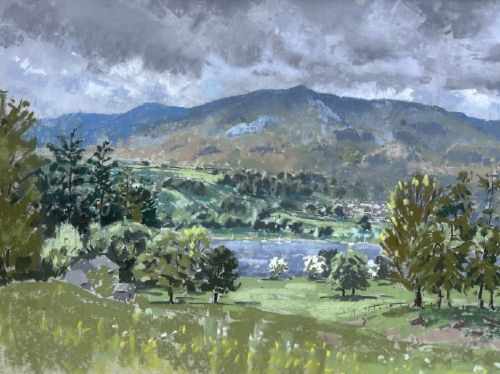
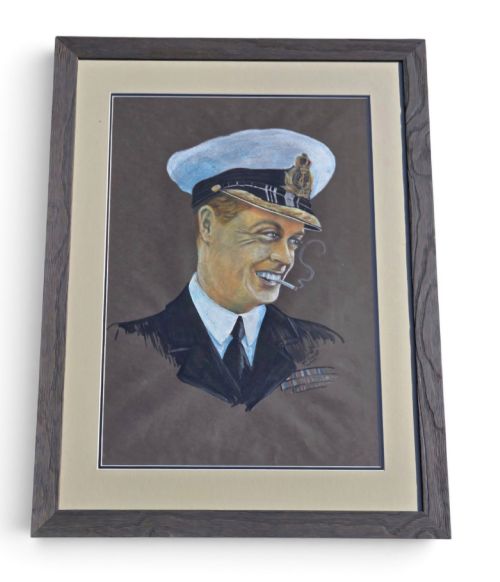
The selections encountered here lean heavily into mid-century portfolios alongside early twentieth-century sketches and watercolours. Buyers frequently discover landscape studies, portraiture, and illustrative works preserved in original frames.
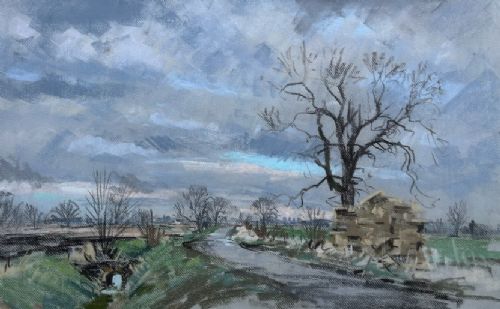
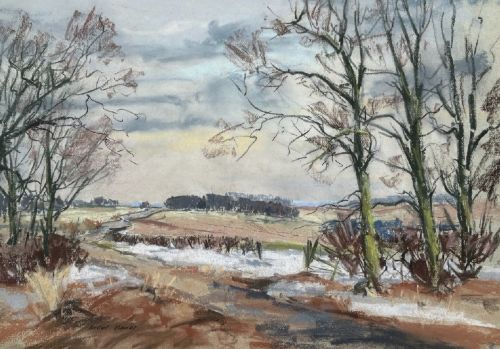
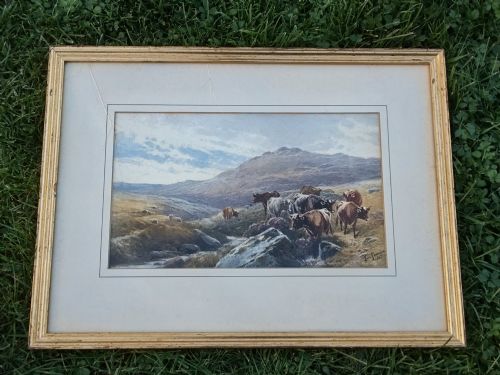
Varied periods shape the character of each piece, drawing upon styles described as Modern British, Edwardian, and twentieth-century illustration. Works often capture specific regional scenes or wartime records through intimate hand-drawn mediums.
Materials and methods
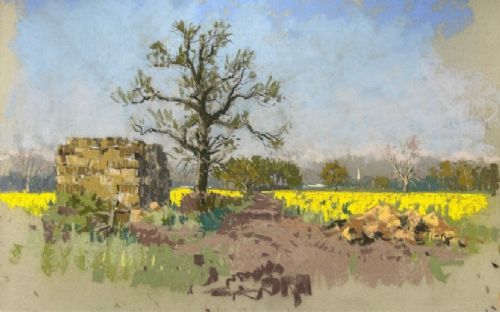
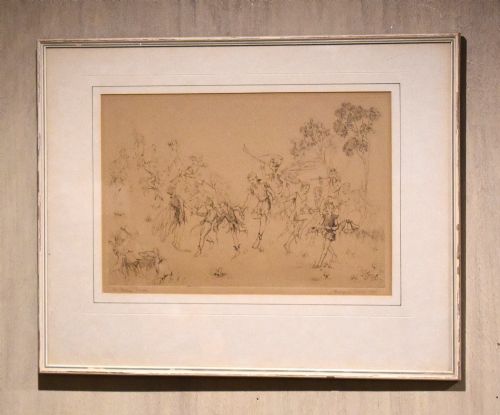
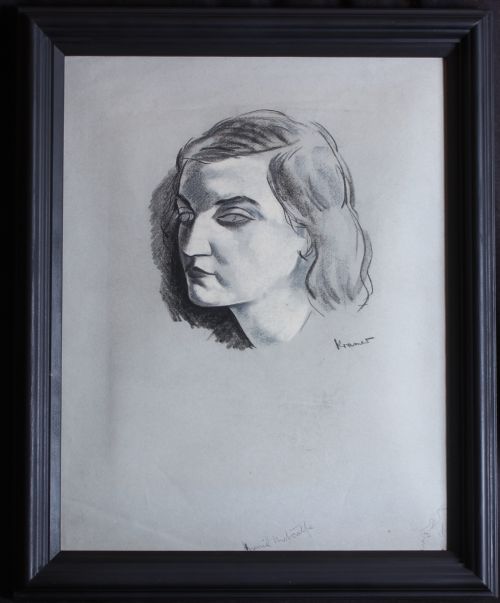
Draftsmen and painters relied upon paper as the primary support, frequently employing graphite, charcoal, and pastel to build texture and tone. Ink and watercolour frequently appeared together, combining crisp line work with fluid colour washes.
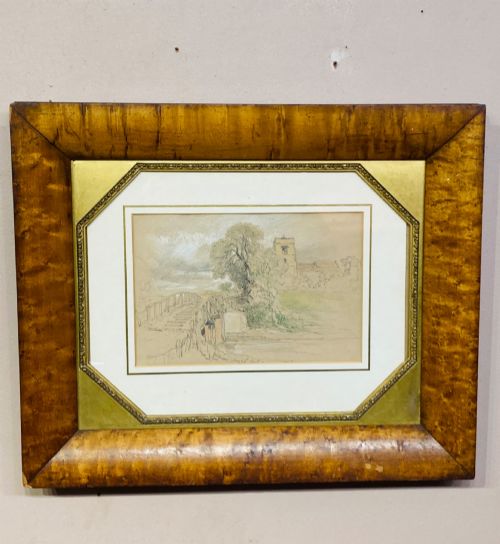
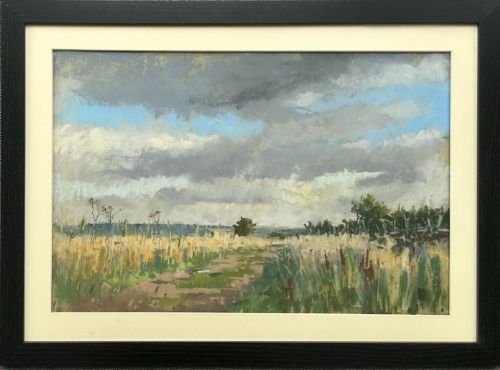
Framed works often incorporate glass to protect delicate surfaces such as pastel and charcoal from smudging and environmental wear. Wood frames anchor the presentations, matching the period aesthetic of the enclosed artwork.
British Art Drawing Retail Price Guide 2026
Typical asking prices for british art drawing among the pieces listed under this phrase on Sellingantiques today, from the lower quarter to the upper quarter. They describe what is for sale here now, not the wider market.
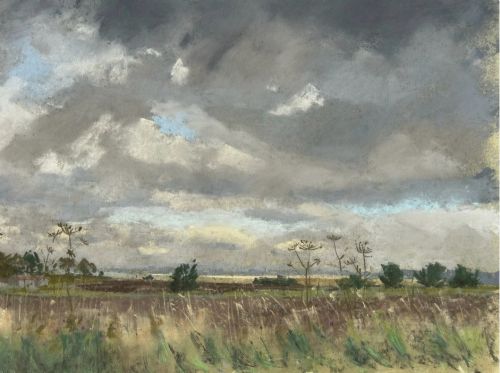
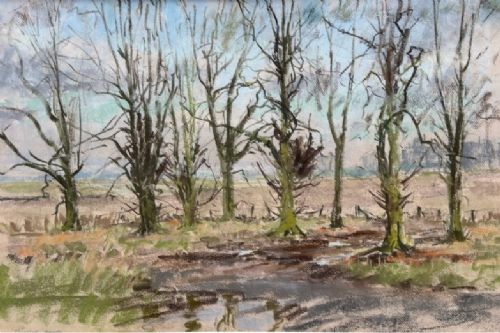
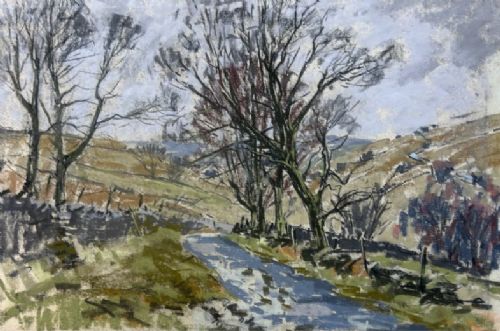
Listings incorporate works executed in pastel, ink, watercolour, graphite, and charcoal across various twentieth-century British movements.
Quality factors
The strength of a composition rests upon the sureness of the draftsmanship and the confidence of the artist's hand. Works that capture movement and light with economy of line stand distinctly apart from more laboured efforts.
Provenance and documentation elevate individual pieces, particularly when works form part of known studio portfolios or connect to exhibited wartime and portrait projects. The preservation of the paper surface and original framing context also influences the standing of a piece.
Angus Rands·Marjorie L Davies·Thomas Rowden·Jacob Kramer·Bruce Bairnsfather·Augustus John·Dame Laura Knight
The British Art Drawing Glossary
- Pastel
- A medium consisting of powdered pigment combined with a binder and pressed into sticks. It creates velvety tones and rich colour blending on paper surfaces.
- Graphite
- A form of carbon used in pencils to produce grey-to-black marks. It allows for fine detail as well as broad shaded areas.
- Watercolour
- A paint consisting of pigment suspended in a water-based solution. It is traditionally applied in translucent washes over paper.
- Charcoal
- Burnished wood used as a drawing material to produce deep, expressive dark marks. It is easily smudged for atmospheric shadow effects.
- Provenance
- The documented history of ownership and origin for an artwork. It establishes authenticity and traces the piece from its creation to the present.
British Art Drawing: Frequently Asked Questions
What periods do these drawings cover?
The available selection spans from the nineteenth century through the Edwardian era and deep into the twentieth century. Mid-century modern and wartime portfolios feature prominently alongside earlier examples.
Each period brings distinct stylistic markers, moving from traditional pastoral watercolours to more experimental modernist portraiture and illustration.
How should I frame and display works on paper?
Works on paper require protection behind glass to guard against dust, moisture, and handling damage. Conservation-grade framing materials prevent discolouration of the paper over time.
Keep framed pieces away from direct sunlight to preserve the fugitive pigments found in pastels, watercolours, and inks.
Are these works original or reproductions?
The listings feature original hand-drawn and hand-painted works, including unique pencil sketches, pastel drawings, and watercolour paintings. Studio portfolios often contain previously unseen one-off pieces directly from the artist's hand.
Selected items may occasionally include period prints, but the primary focus remains on original graphic art and unique studies.
How can I tell different drawing styles apart?
Edwardian and early twentieth-century pieces often lean towards traditional portraiture and detailed topographical landscapes. Mid-century works embrace looser, more expressive mark-making and modernist abstraction.
Examining the medium helps too, as charcoal and pastel suggest different textural priorities compared to crisp ink and graphite line work.