




British Army Artwork
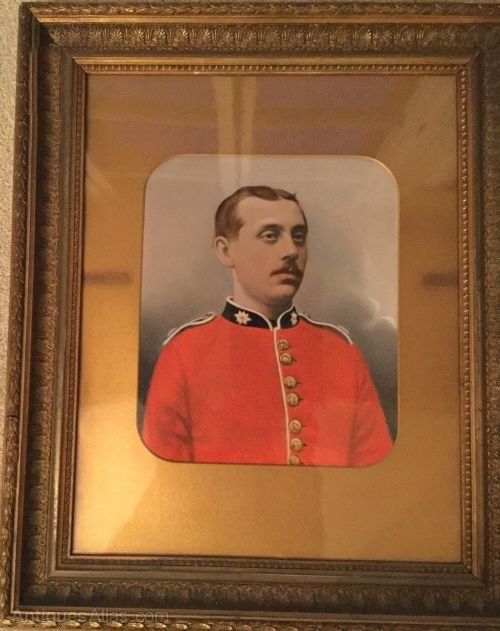
British army artwork brings centuries of military history into your home through authentic portraits, watercolours, and oils depicting soldiers and officers.
British Army Artwork
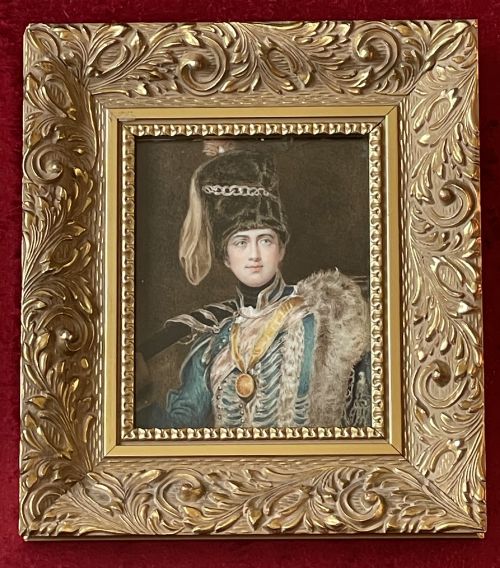
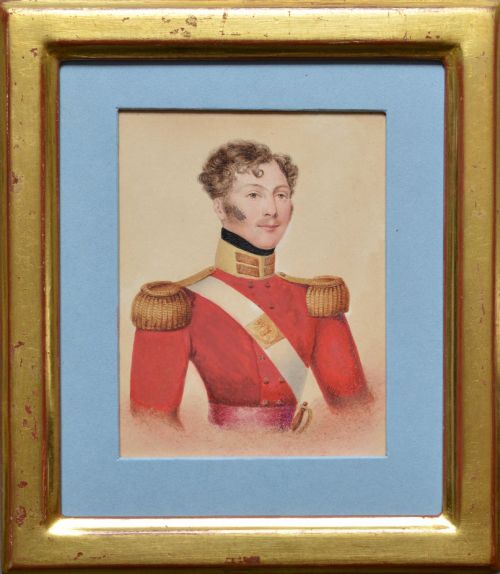
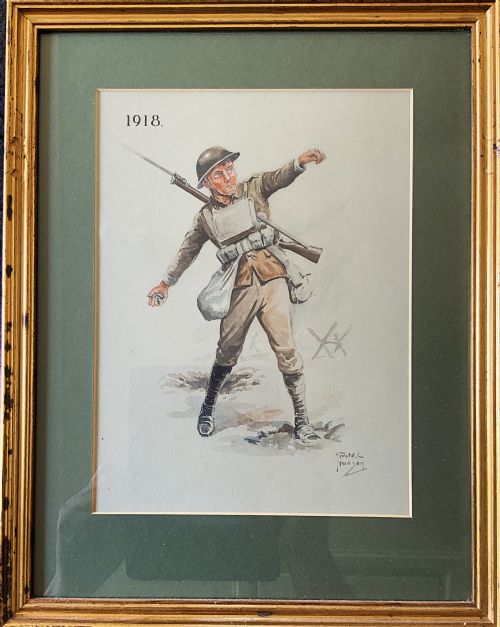
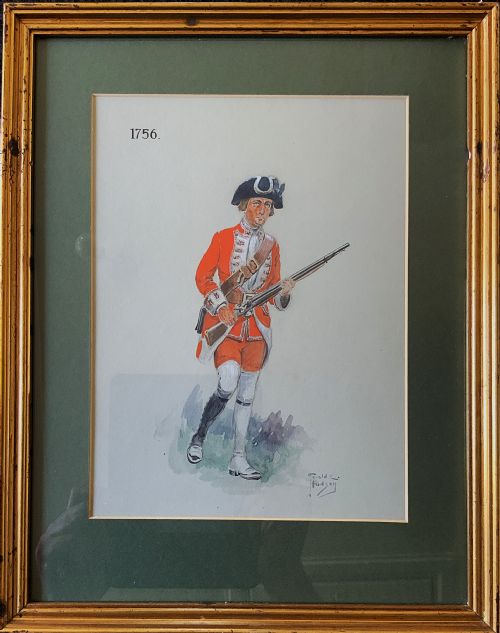
When you search for british army artwork, you encounter historical portraits and scenes capturing regiments, commanders, and ordinary soldiers across different eras. These pieces range from formal Victorian oil paintings on canvas to intimate wartime pastel sketches.
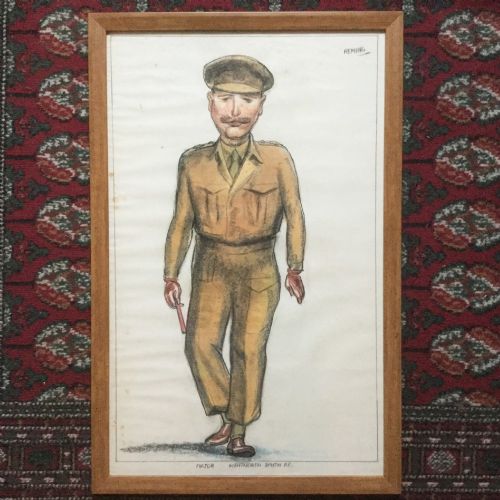
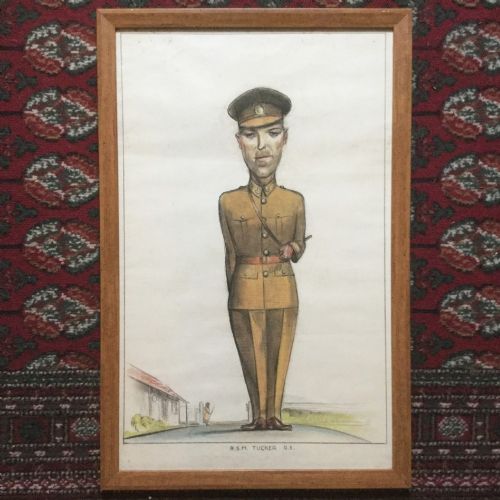
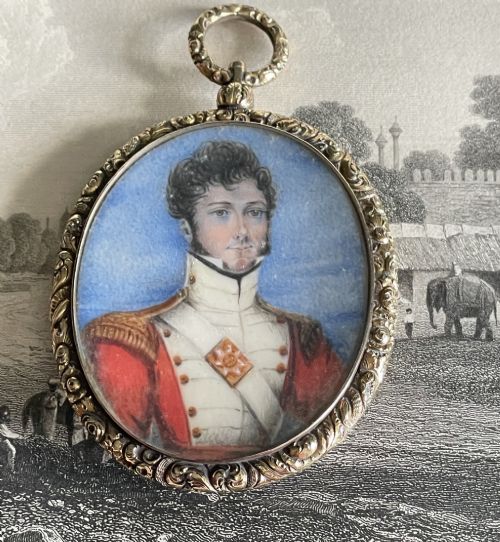
You are most likely to meet 19th-century watercolours and mid-century portraits on this page, reflecting periods from the Napoleonic Wars to the mid-twentieth century. Subjects span individual officers from specific regiments, such as the Royal Engineers and the Staffordshire 80th Regiment of Foot, alongside broader military landscapes and battle scenes.
The selections include framed prints, wash drawings, and original paintings executed by named artists and anonymous British school hands alike. Each item records uniform details, regimental insignia, and the distinct countenance of historical military figures.
Materials and techniques
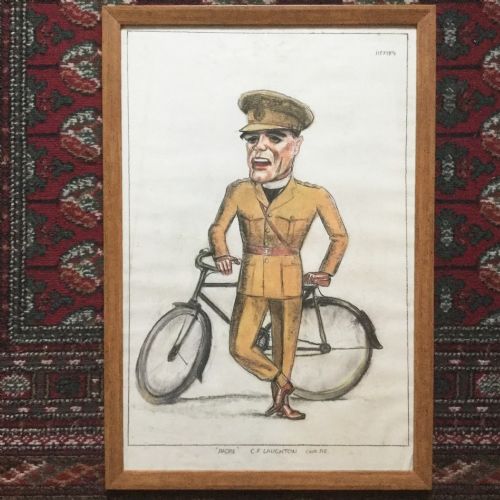
Pastel and gouache appeared frequently during wartime periods for rapid yet detailed portrait sketches of officers and chaplains. These varied mediums reflect the working methods of military artists, illustrators, and portraitists documenting the armed forces.
British Army Artwork Retail Price Guide 2026
Typical asking prices for british army artwork among the pieces listed under this phrase on Sellingantiques today, from the lower quarter to the upper quarter. They describe what is for sale here now, not the wider market.
A military padre named C.F. Laughton captured on wartime paper reminds us that even sketchpads went to the front line.
Quality variations in military pieces
The distinction between standard examples and exceptional british army artwork lies in the precision of the uniform details and the skill of the portraiture. Works by recorded artists or pieces with clear regimental and sitter identifications command closer attention from collectors.
Condition plays a part, distinguishing crisp watercolours and stable oil paintings from pieces suffering from heavy foxing or surface craquelure. Strong draughtsmanship in the rendering of facial expressions and medals separates accomplished fine art from routine illustrative output.
Francis Russell Flint·Frederick Henry Howard Harris·Henry Walton·Henry Hoppner Meyer·Ruth Cecil Latter·George Duncan Beechey·Sir Richard Westmacott
The British Army Artwork Glossary
- Gouache
- An opaque watercolour paint that dries to a matte finish, frequently utilised in wartime sketches for solid areas of colour. It provides stronger coverage than standard transparent watercolour.
- Watercolour
- A painting method where fine pigment is suspended in a water-based solution on paper. Wash techniques applied within these watercolours create subtle tonal gradations in military uniforms.
- Oil on Canvas
- Pigment mixed with drying oil applied to stretched woven fabric, serving as the primary medium for formal military portraits and battle scenes. This durable combination allows for rich colour blending.
- Regiment
- A permanent unit of an army, typically commanded by a lieutenant colonel. Identifying the specific regiment in a painting's title aids historical research.
- Pastel
- A dry painting medium consisting of powdered pigment and a binder, common in rapid wartime portrait sketches. These works require protective glass framing to prevent smudging.
British Army Artwork: Frequently Asked Questions
What periods do these artworks cover?
The listings span from the eighteenth century through the Victorian era and into mid-twentieth-century wartime illustrations. Pieces document officers and soldiers from specific campaigns including the Napoleonic Wars and the 2nd Afghan War.
Dates are established through artist signatures, sitter life spans, and stylistic markers recorded in individual item descriptions.
How should I hang framed military portraits?
Display oil paintings and watercolours away from direct sunlight to protect pigments and paper supports from fading. Ensure wall fixings match the weight of heavy gilt wood frames.
Keep pieces in stable room environments to prevent wood warping and canvas tension issues over time.
Are all the sitters identified?
Many works feature named historical figures, such as generals, captains, and Earls, accompanied by their specific regiment or service branch. Other listings represent anonymous members of the British school or general military types.
Inscriptions on the reverse or contemporary mount cards frequently supply the biographical details of the subject.