





British Glass
British antique glass covers functional vessels and decorative objects spanning the eighteenth century to the mid-twentieth century.
British Glass
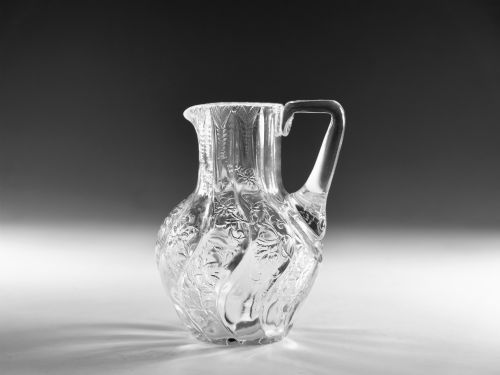
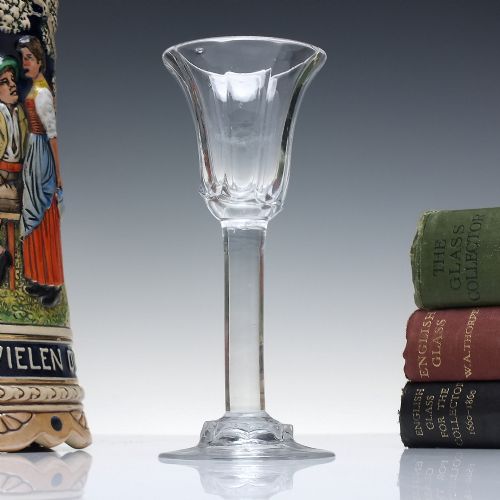
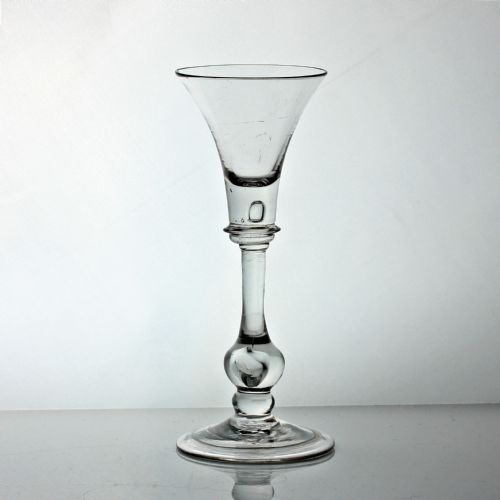
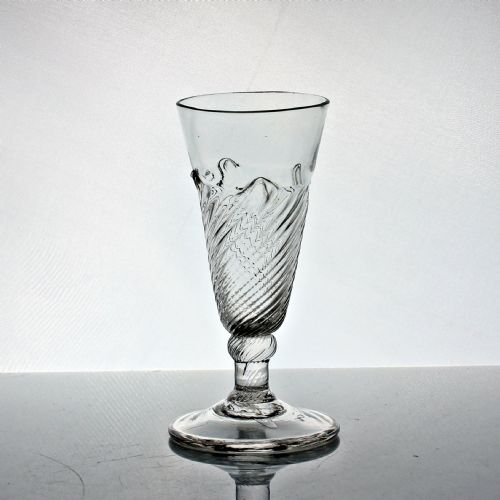
When you search for British antique glass, you encounter drinking vessels, decorative bowls, decanters, inkwells, and lighting components originating from the eighteenth century to the mid-twentieth century. The selection includes Georgian wine and ale glasses alongside Victorian cranberry pieces, Edwardian jugs, and Art Deco mantel items.
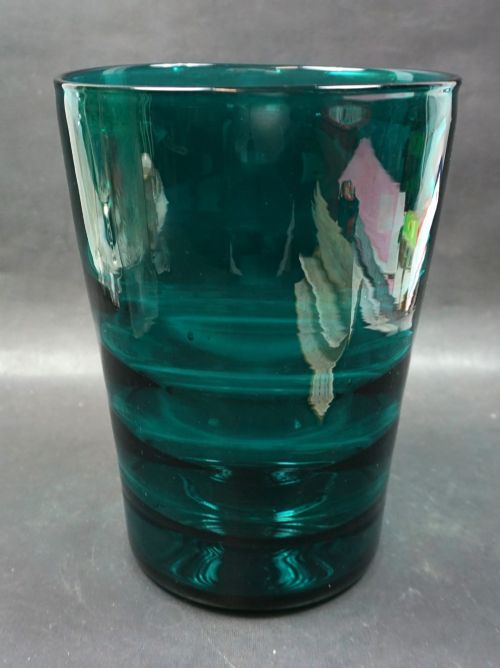
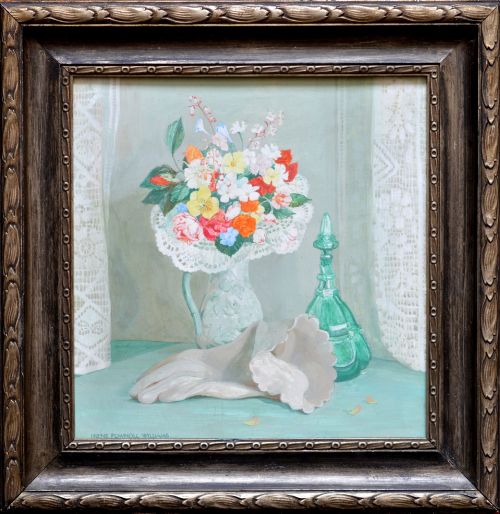
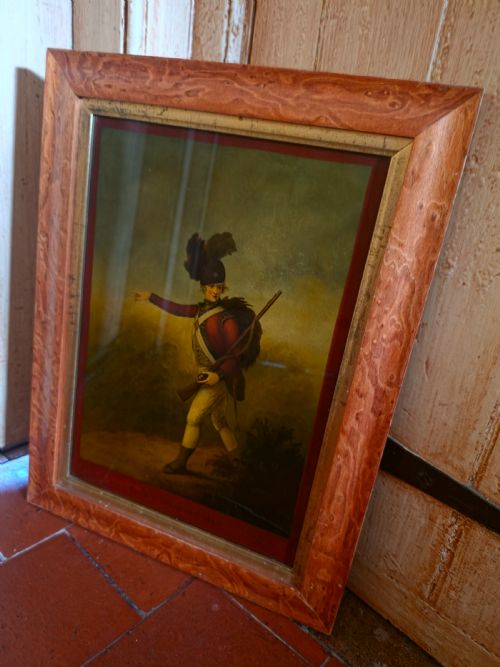
The most common forms on this page comprise wine glasses, jugs, and decanters, supplemented by specialised items like reverse glass pictures and glass domes for clocks. These pieces reflect stylistic shifts from Georgian plain stems through Victorian coloured glass to twentieth-century studio and factory production.
How they were made
Makers utilised lead glass, lead crystal, and enamelled compositions, shaping vessels through free-blowing, mould-blowing, and cutting techniques. Pieces from makers like Whitefriars and Stevens & Williams demonstrate proficiency in manipulating molten material into specific forms such as inverted petal moulds and pedestal bowls.
Decoration involved techniques like reverse painting behind glass plates, applied enamels, and multi-coloured elements integrated into the body, as seen in Nailsea type vessels and green peacock eye designs.
British Glass Retail Price Guide 2026
Typical asking prices for british glass among the pieces listed under this phrase on Sellingantiques today, from the lower quarter to the upper quarter. They describe what is for sale here now, not the wider market.
What varies in quality
Quality rests on the clarity and weight of the material, the precision of the forming or cutting, and the sophistication of the design execution. Pieces produced by recognised makers or associated with specific stylistic movements exhibit superior technical execution and form.
Condition and originality dictate desirability, particularly for items retaining original components such as stoppers on decanters, glass liners in silver dishes, or protective domes on clocks. The integrity of surface decoration, especially on reverse glass pictures and enamelled pieces, influences the overall standard.
Whitefriars·Stevens & Williams·Graystan·Stuart·Smiths
The British Glass Glossary
- Lead crystal
- Glass containing a high proportion of lead oxide, which increases brilliance, weight, and workability for cutting.
- Nailsea type
- Glassware characterised by looped or splashed coloured glass threads applied over a contrasting ground, originally associated with Somerset production.
- Plain stem
- A wine glass stem formed without air bubbles, twists, or baluster knops, typical of certain Georgian periods.
- Cranberry glass
- A transparent red glass produced by adding gold chloride to the molten batch, popular during the Victorian era.
British Glass: Frequently Asked Questions
How do I identify Georgian wine glasses?
Georgian wine glasses display specific stem formations, such as baluster profiles or plain stems, often accompanied by folded feet and pontil marks on the underside.
Examining the weight and tint of the metal helps distinguish these eighteenth-century examples from later reproductions.
What is Victorian cranberry glass?
Victorian cranberry glass refers to tableware and decorative objects coloured with gold, yielding a rich pinkish-red hue.
This glass type appears frequently in nineteenth-century collections as jugs, bowls, and complete service sets.
How should I clean antique glass?
Clean antique glass gently using lukewarm water and mild detergent, avoiding harsh abrasives or sudden temperature changes.
Items with applied enamel or reverse glass painting require extra care to prevent moisture damage to delicate surfaces.
What are reverse glass pictures?
Reverse glass pictures involve painting or transferring an image onto the back of a glass pane so the picture is viewed through the front.
This technique protects the pigment from dust and handling, yielding a glossy surface appearance common in eighteenth and nineteenth-century wall art.