




British Ceramics
British antique ceramics bring the rich studio potteries and historic factories of the nineteenth and early twentieth centuries directly into domestic spaces.
British Ceramics
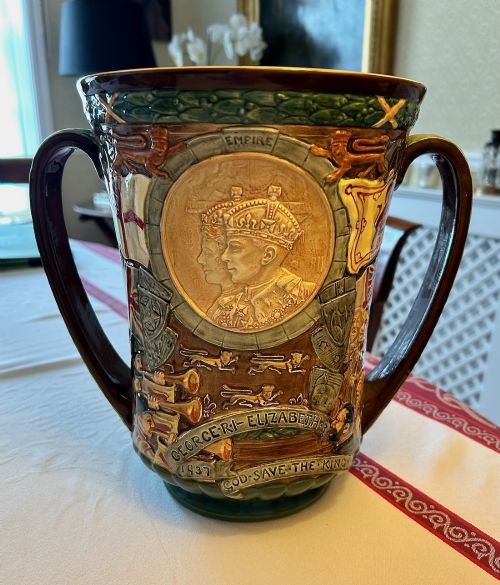
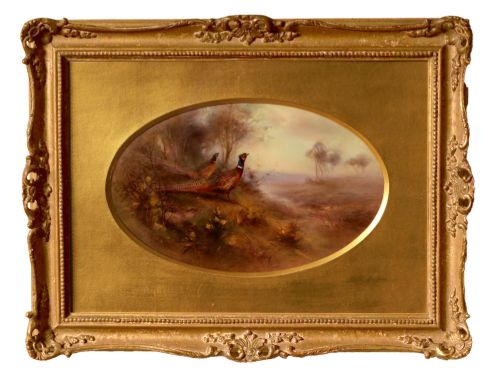
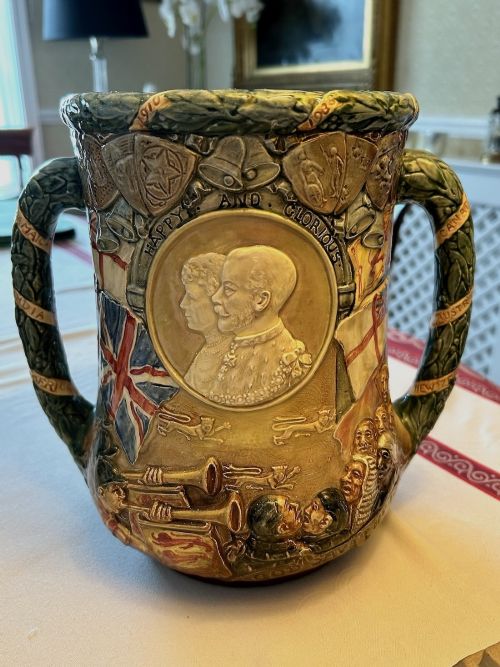
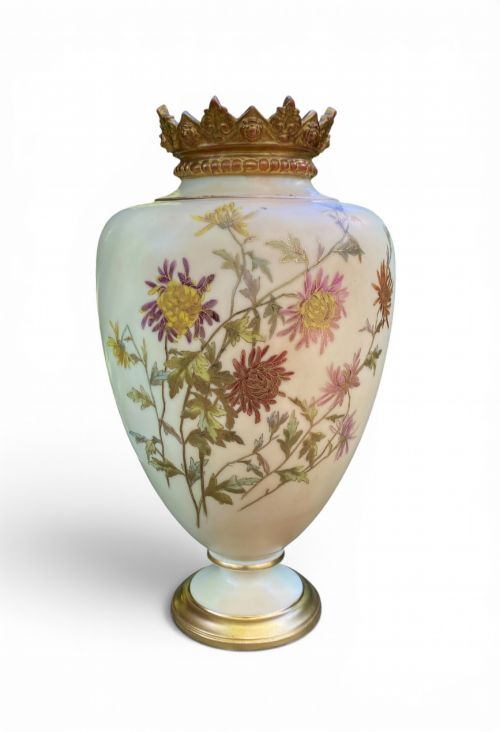
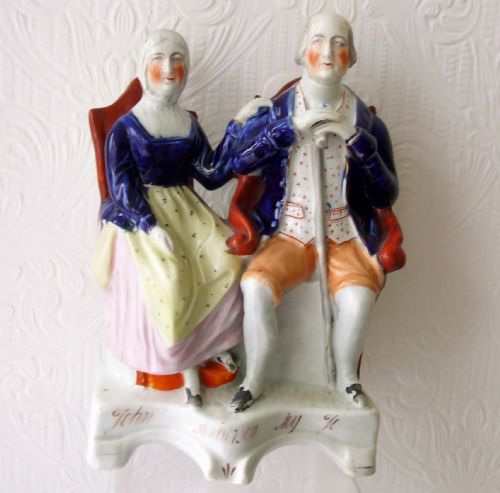
When buyers search for british antique ceramics, they encounter a diverse range of objects spanning earthenware, stoneware, and fine porcelain. Vases, commemorative teapots, and cabinet plates dominate the selection, alongside decorative Staffordshire figures and art pottery from the Victorian and Edwardian eras.
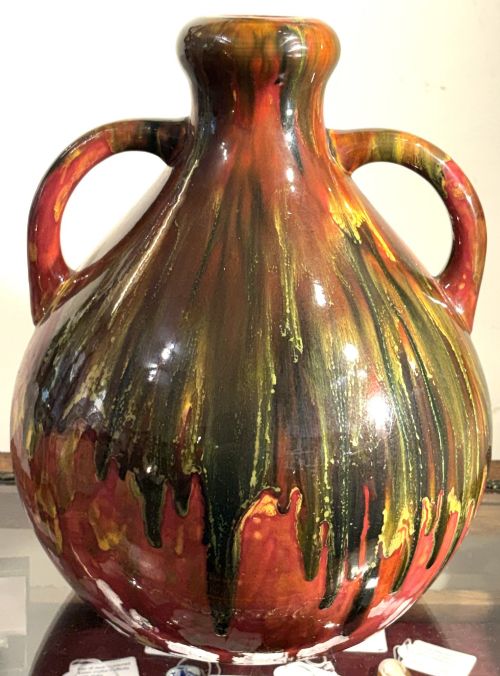
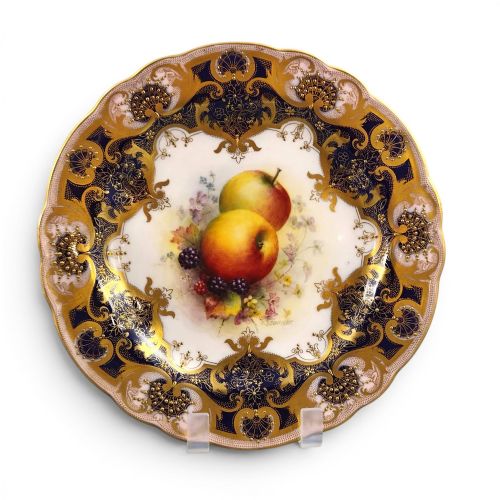
Buyers are most likely to meet utilitarian jugs, commemorative vessels, and sculptural vases displaying distinct regional styles. From Doulton Lambeth salt-glazed stoneware to delicate Royal Worcester floral painting, these works represent the core output of British ceramic history.
Materials and methods of manufacture
Potters utilised various clay bodies, including robust stoneware, porous earthenware, and refined porcelain, depending on the intended function of the vessel. Salt-glazing, enamel decoration, and applied gold leaf frequently enhanced the fired bodies.
Techniques such as reticulation, agateware layering, and hand-painted overglaze artistry required immense technical skill from the decorators. Specialised studios employed prominent artists to paint direct onto the wet clay or finished porcelain glaze before a final kiln firing.
British Ceramics Retail Price Guide 2026
Typical asking prices for british ceramics among the pieces listed under this phrase on Sellingantiques today, from the lower quarter to the upper quarter. They describe what is for sale here now, not the wider market.
Listings span the nineteenth and twentieth centuries, incorporating Victorian, Edwardian, and Arts and Crafts periods across earthenware, stoneware, and porcelain.
Assessing quality in historical ceramics
The division between standard production pieces and exceptional examples rests primarily on the finesse of the hand-painting and the ambition of the form. Hand-signed works by recognised ceramic artists command greater attention than factory-standard transfer prints.
Execution matters significantly, from the sharpness of reticulated piercing to the depth of the glaze application. Pieces that combine innovative studio pottery designs with skilled craftsmanship represent the pinnacle of the maker's art.
Royal Worcester·Royal Doulton·Doulton Lambeth·Burmantofts·Moorcroft·Fulham Pottery·Poole Pottery·Carter Stabler Adams
The British Ceramics Glossary
- Earthenware
- Porous pottery fired at lower temperatures, requiring a vitreous glaze to hold liquids. It forms the body of much traditional Staffordshire folk art.
- Stoneware
- A dense, impermeable ceramic fired at high temperatures, often salt-glazed to create a pebbled texture. Doulton Lambeth utilised this durable material extensively.
- Reticulated
- Pierced or openwork ceramic decoration created by cutting patterns into the damp clay before firing. George Owen mastered this delicate technique at Royal Worcester.
- Agateware
- Pottery made from blended clays of different colours to produce a marbled or grained effect resembling natural stone. It gained popularity during the early twentieth century.
- Tyg
- A large drinking vessel featuring multiple handles designed for communal passing around a table. These historic forms frequently appear in salt-glazed stoneware.
British Ceramics: Frequently Asked Questions
How do I date antique British ceramics?
Dating relies on maker marks, impressed factory stamps, and stylistic cues unique to periods like the Victorian or Edwardian eras. Registration numbers and artist signatures also help narrow down the year of production.
Changes in glaze formulas and manufacturing techniques further assist in placing a ceramic piece within its historical decade.
Are these ceramic pieces suitable for daily use?
While many items were originally made for functional purposes, most antique ceramics are now treated as display pieces or decorative works of art. Delicate porcelain and hand-painted enamel surfaces are particularly vulnerable to modern detergents and heavy wear.
Gentle hand-washing is advised for robust earthenwares if used, while fine art pottery and cabinet plates are best preserved on stands or walls.
Who were the notable artists painting on porcelain?
Factories like Royal Worcester employed dedicated artists such as James Stinton, Harry Stinton, and Richard Sebright to paint naturalistic scenes, birds, and highland cattle. These painters signed their work directly onto the ceramic surface.
Studio potteries also engaged specialists like Florence E. Barlow and Emily Edwards to decorate salt-glazed stoneware with pate-sur-pate and incised plant motifs.