



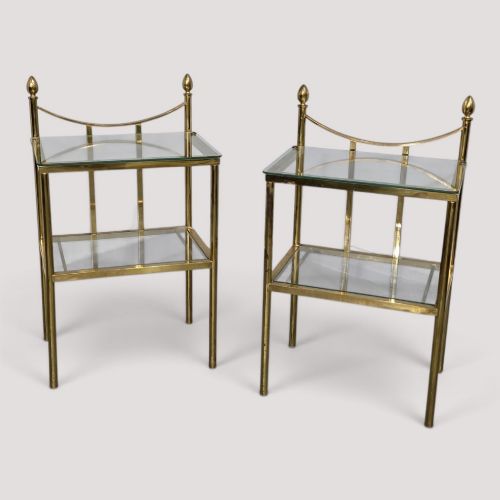
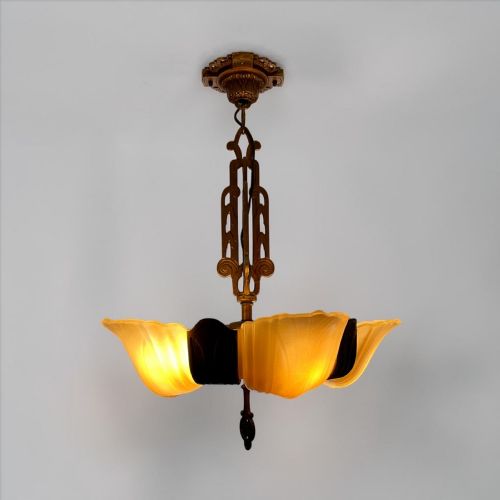
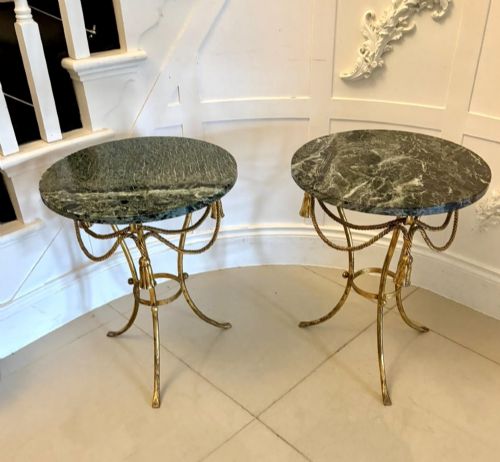
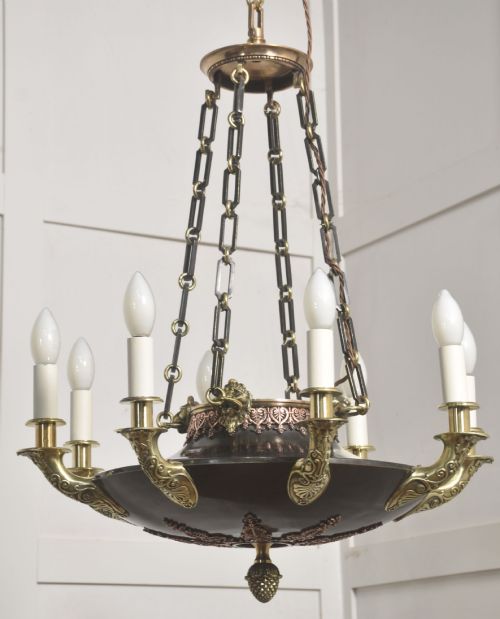
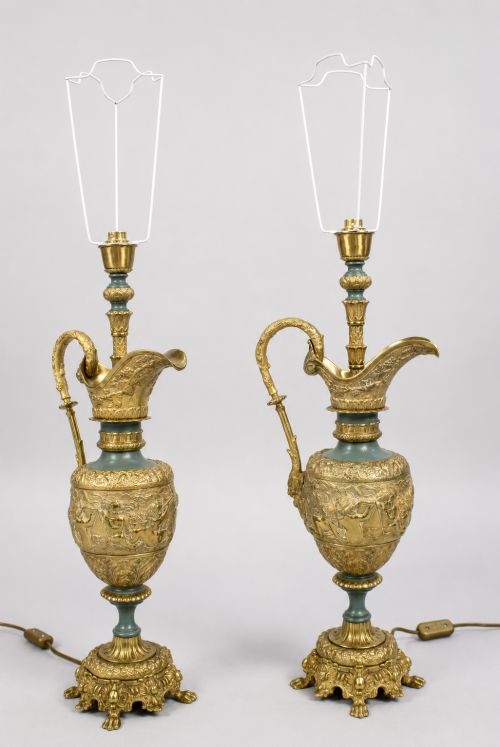
Brassed Metal Lamp
These brassed metal lamp designs bring period illumination and warmth to a room, spanning chandelier, table and floor forms.
Brassed Metal Lamp
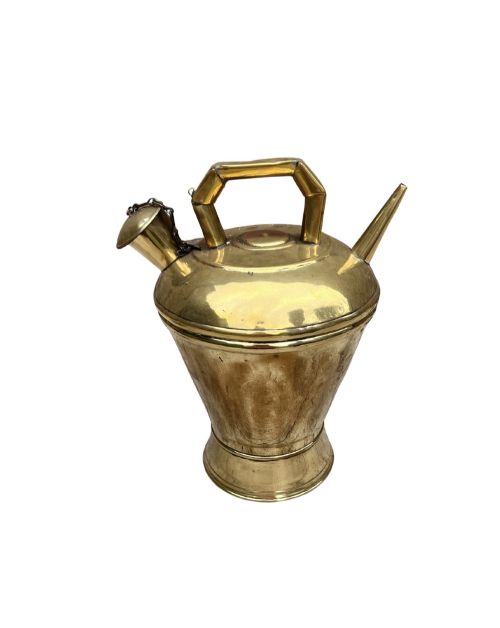
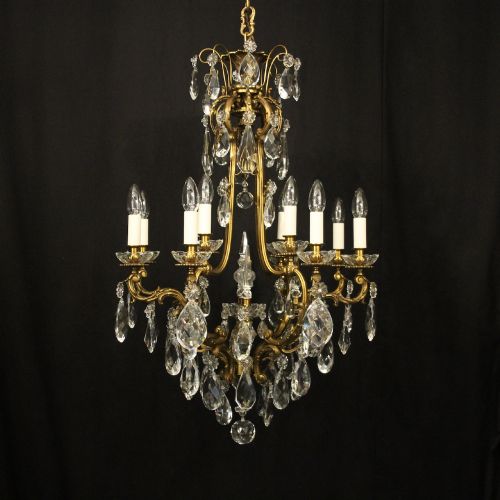
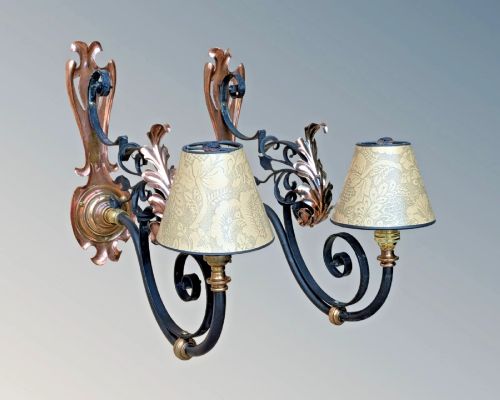
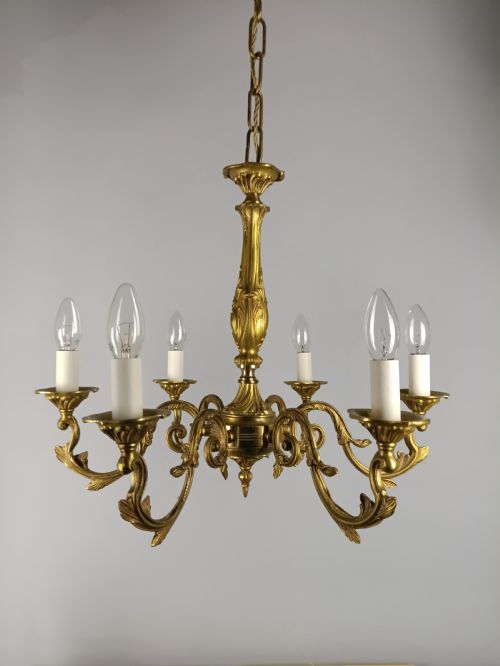
A brassed metal lamp encompasses a broad array of lighting forms, including chandeliers, table lamps, floor standards and wall lights, originating from the nineteenth and twentieth centuries. These objects reflect diverse aesthetic movements such as Art Deco, Art Nouveau, Arts and Crafts and French Rococo.
Materials and construction methods
Construction relies heavily on brass, copper and bronze, often combined with glass, fabric and crystal elements. Metal components undergo casting, hammering and patination to achieve specific surface finishes and structural forms.
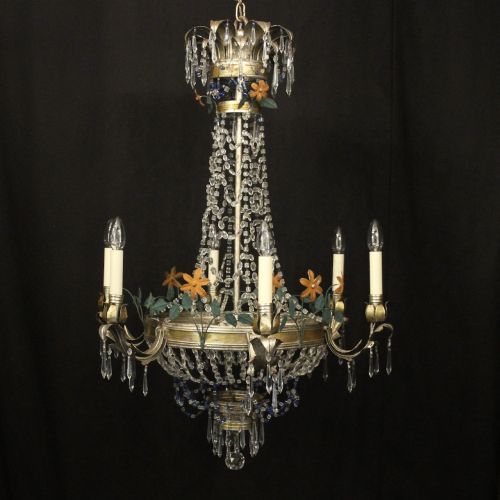
Surface treatments frequently include gilding, silver plating and toleware paint applications. These finishing techniques define the visual character of the metalwork across different periods and regional workshops.
Brassed Metal Lamp Retail Price Guide 2026
Typical asking prices for brassed metal lamp among the pieces listed under this phrase on Sellingantiques today, from the lower quarter to the upper quarter. They describe what is for sale here now, not the wider market.
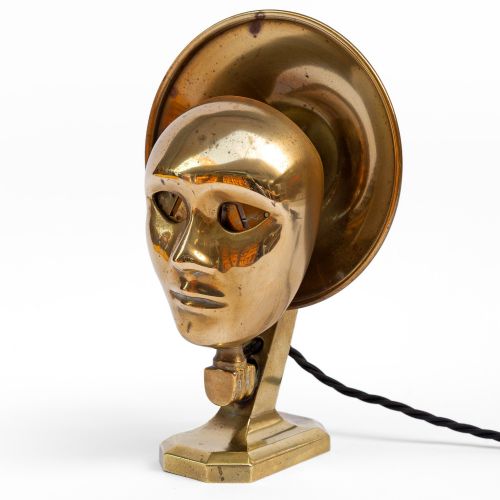
One exceptional table lamp takes direct stylistic inspiration from Fritz Lang's visionary nineteen-thirty science fiction film Metropolis.
Distinguishing quality in period lighting
Quality rests in the crispness of cast details and the substance of the metal frame. Heavier castings and finely chased or engraved surfaces indicate superior workshop output compared to simpler, mass-produced alternatives.
The integration of secondary materials such as cut crystal prisms, genuine marble bases or hand-blown glass shades elevates a piece. Coherence between the primary metal structure and its decorative components dictates overall refinement.
Wild and Wessel·L and F Moreau
The Brassed Metal Lamp Glossary
- Gilt metal
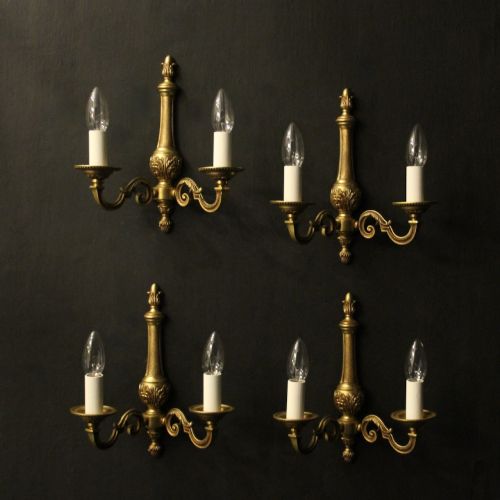
- Metal that has been given a thin coating of gold or gold-coloured finish. This treatment imparts a bright surface sheen often seen in French chandeliers and wall lights.
- Toleware
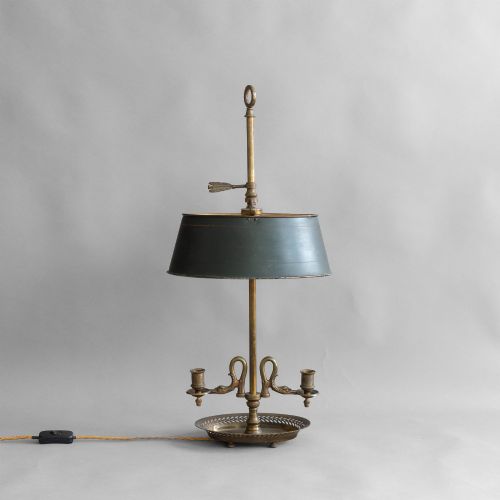
- Enamelled or japanned metalware painted in various colours, frequently green or dark hues. It provides a contrasting decorative body for desk and floor lamps.
- Chandelier
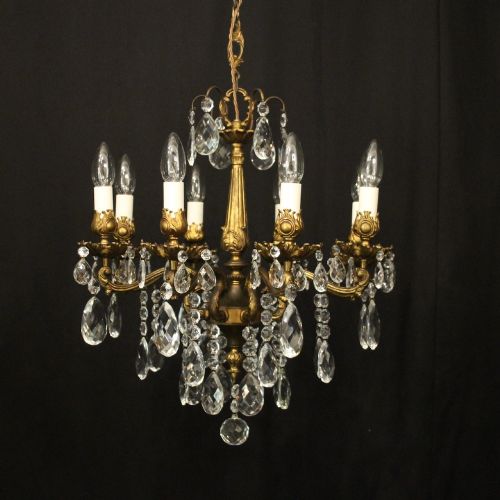
- A branched ornamental light fixture suspended from the ceiling. These fixtures frequently incorporate crystal drops, glass arms and multiple candle or bulb tiers.
- Bouillotte lamp
- A traditional adjustable desk lamp featuring a central shaft and a painted metal shade. They typically direct light downward onto a workspace.
- Cloisonné
- An ancient technique for decorating metalwork objects with coloured material held in place by thin metal strips. It appears on converted vases used as table lamps.
Brassed Metal Lamp: Frequently Asked Questions
What is a brassed metal lamp?
A brassed metal lamp is a lighting fixture made from or coated in brass and related metals. The category includes table lamps, floor standards and hanging chandeliers.
These pieces draw on design traditions from the Victorian era through the Art Deco period. They utilise materials like bronze, copper and gilt metal alongside glass and crystal.
How do I date a brass lamp?
Dating relies on stylistic clues, manufacturing techniques and material composition. Art Nouveau and Arts and Crafts pieces show distinct organic or handcrafted motifs from around nineteen hundred.
Later items from the nineteen-twenties and thirties often display geometric Art Deco lines or film-inspired industrial forms. Examination of fixings and wiring methods provides further chronological context.
Can these lamps be used safely today?
Many period lamps require professional rewiring to meet contemporary electrical standards. Qualified electricians can update internal components while preserving the historic exterior.
Care should be taken to use appropriate bulb wattages, particularly with older shades and delicate glass or fabric elements.
How do I clean period brass?
Cleaning requires gentle methods to preserve the accumulated patina and surface finishes like gilding. Soft, dry cloths remove dust without stripping historical treatments.
Harsh chemical polishes should be avoided on antique metalwork, as they can permanently remove desirable ageing and protective layers.