



Brass Twist Lamp
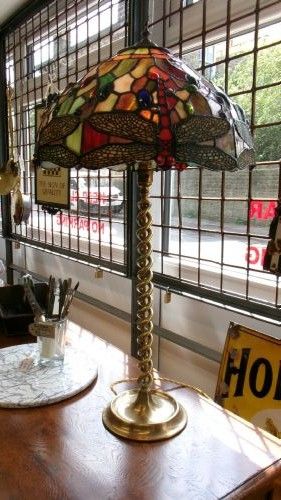
A brass twist lamp brings sculptural warmth to a room, offering tactile metalwork and distinctive column shapes that anchor both traditional and eclectic interiors.
Brass Twist Lamp
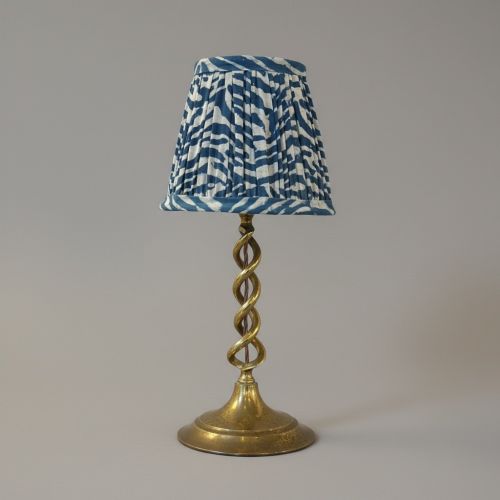
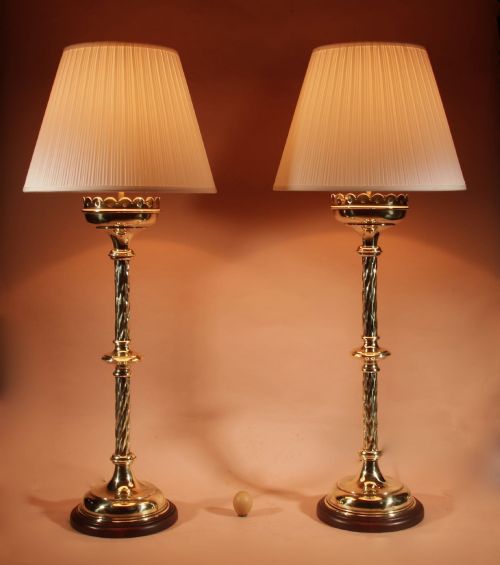
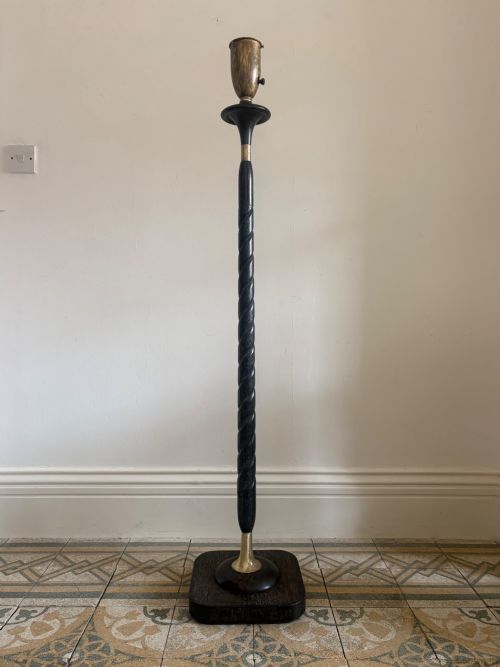
When you search for a brass twist lamp, you are looking at illumination pieces defined by their spiralled metal columns, ranging from compact desk lighting to substantial floor-standing standards. The examples recorded here span the Victorian, Edwardian, and 1920s periods, incorporating styles from Gothic Revival to Arts and Crafts.
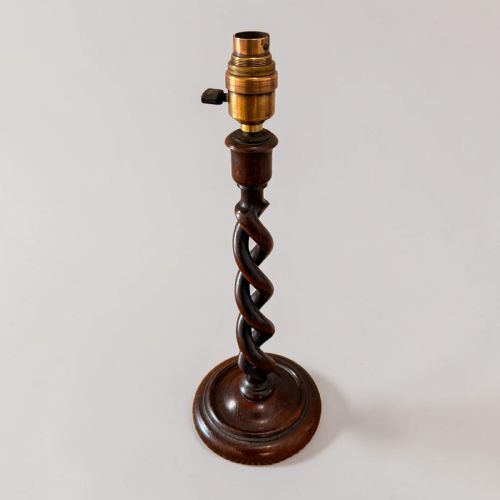
You will most frequently meet standard and table lamps fashioned from brass, often paired with glass, fabric, or stained glass shades. Forms include open twist designs, double helix patterns, and barley twist columns executed in both cast and polished brass.
The assortment extends to converted oil lamps and telescopic stands originating from British and French workshops. These pieces serve as both functional lighting and architectural accents within a domestic space.
Materials and construction
Construction relies heavily on cast and sheet brass, sometimes combined with ebonised wood or bronze to create contrast within the twisted column. Metals were shaped, turned, and polished, while heavier bases often utilised cast lead or weighted components for stability.
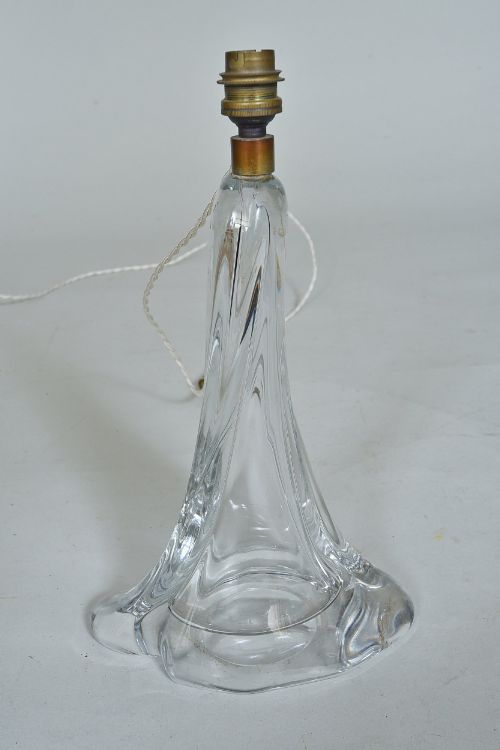
Many examples integrate glass elements, such as opaline shades or tinted glass bowls, reflecting the transition from earlier oil-burning mechanisms to electrical wiring. Strained glass and leaded shades appear in specific Arts and Crafts iterations, showing hand-soldered detail.
Brass Twist Lamp Retail Price Guide 2026
Typical asking prices for brass twist lamp among the pieces listed under this phrase on Sellingantiques today, from the lower quarter to the upper quarter. They describe what is for sale here now, not the wider market.
Current listings feature brass twist lamps paired with materials such as stained glass, marble, and ebonised wood across Victorian and Edwardian periods.
Assessing quality in twist lighting
Quality rests in the crispness of the twist and the weight of the metal. Finer examples show deep, uniform spiralling in the brass column without distortion or soft casting lines.
The integrity of the base and the connection to any secondary materials, such as marble or ebonised timber, distinguish better-executed stands from standard commercial production.
The Brass Twist Lamp Glossary
- Barley twist
- A carved or cast column form resembling a twisted rope or stalk of barley. This profile is common in both woodwork and metal standard lamps.
- Double helix
- A decorative form featuring two intertwined spiral strands running parallel up the shaft. It creates a more complex visual texture than a single twist.
- Opaline glass
- A milky, translucent white glass frequently used for lamp shades during the Victorian and Edwardian eras. It diffuses light evenly across a room.
- Telescopic
- Describing a lamp standard with an adjustable height mechanism. This allows the column to extend or retract according to functional requirements.
- Altar candlestick
- A tall, ecclesiastical candle holder converted for electrical illumination. These pieces often feature heavy brass bases and Gothic Revival motifs.
Brass Twist Lamp: Frequently Asked Questions
How do I date a brass twist lamp?
Dating relies on examining the construction methods, wiring ports, base weighting materials, and associated style markers such as Edwardian proportions or Arts and Crafts detailing.
Comparing the shade type and the patina of the brass against known period manufacturing techniques helps narrow down the decade of origin.
Can these lamps be safely rewired?
Most antique metal lamps accept modern electrical wiring through their central hollow columns. Professional rewiring ensures compliance with current safety standards without altering the historic metalwork.
It is advisable to consult a qualified electrician to update old fittings while preserving the original switches and holders where possible.
What is the difference between an oil lamp and a standard lamp?
Original oil lamps feature burners, reservoirs, and chimneys designed to hold liquid fuel before later conversion to electricity. Standard lamps were built strictly as tall light stands.
Many period pieces retain their burner collars and glass shades, bearing the physical evidence of their original function.