
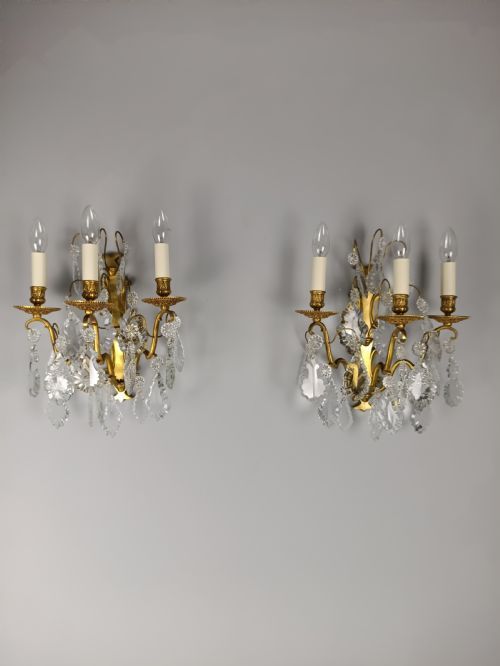
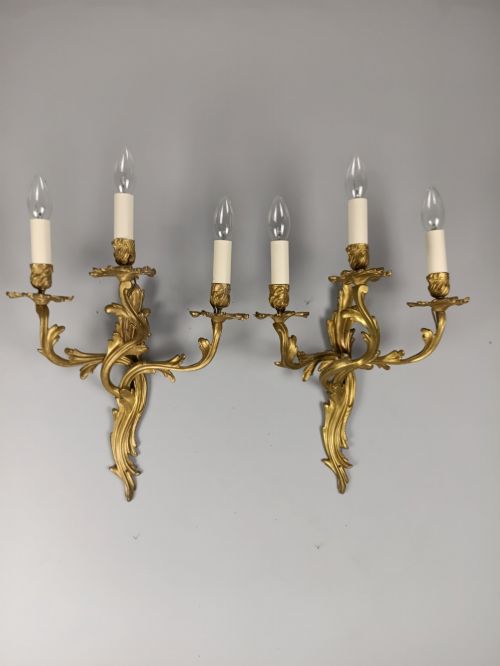


Brass Triple Light Sconce
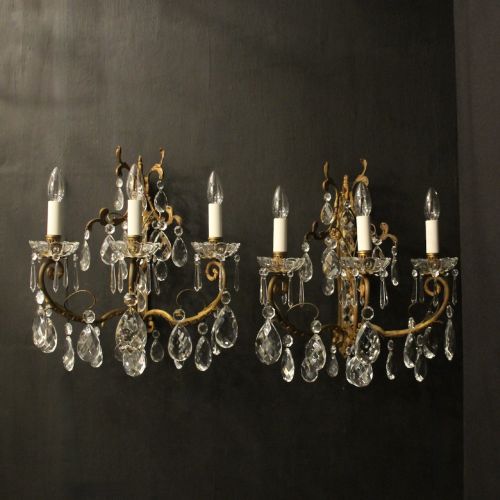
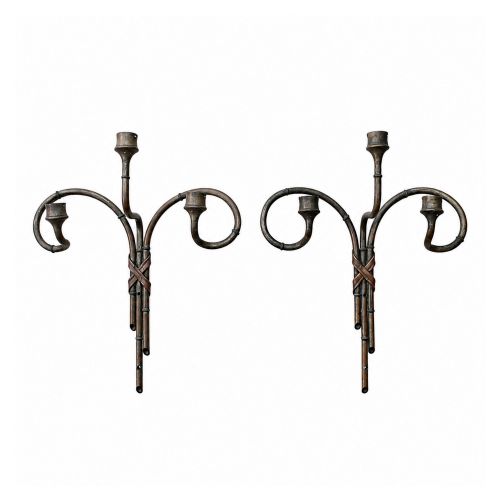
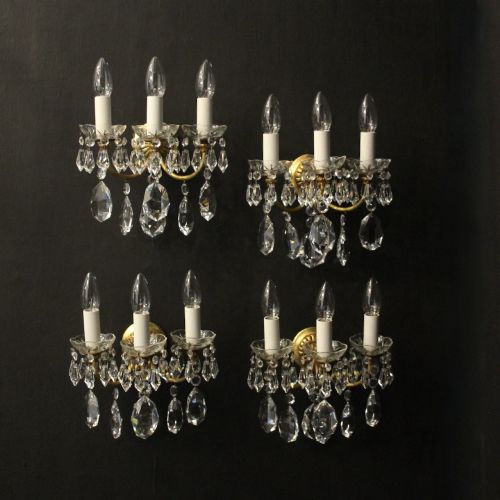
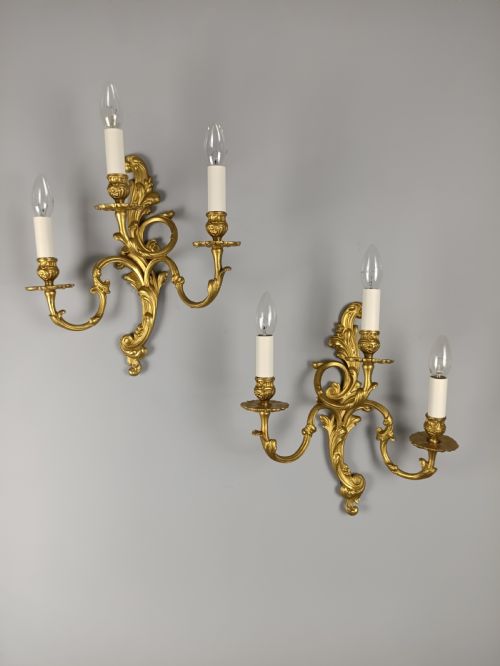
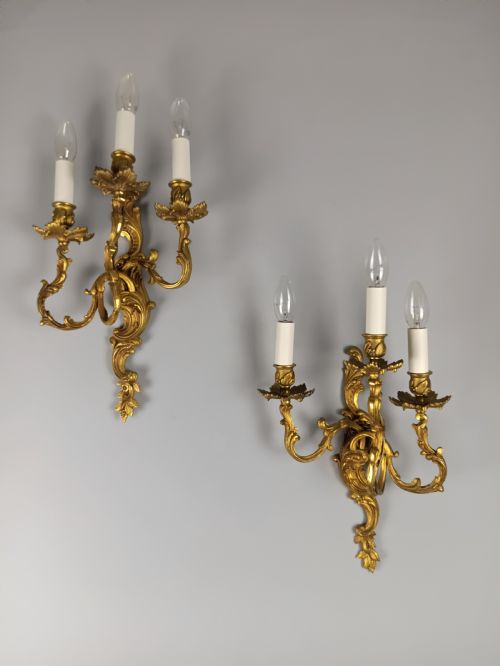
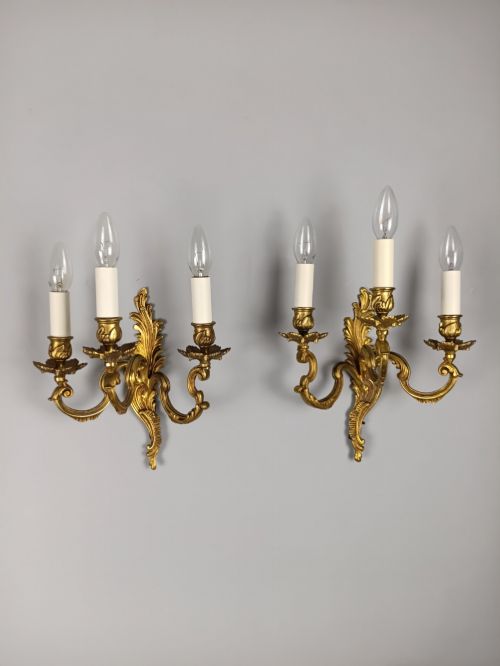
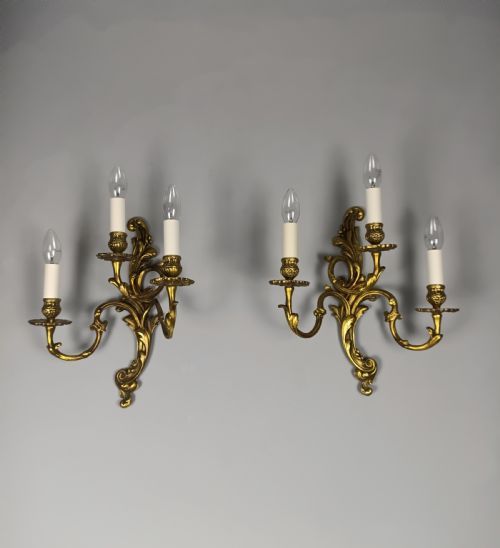
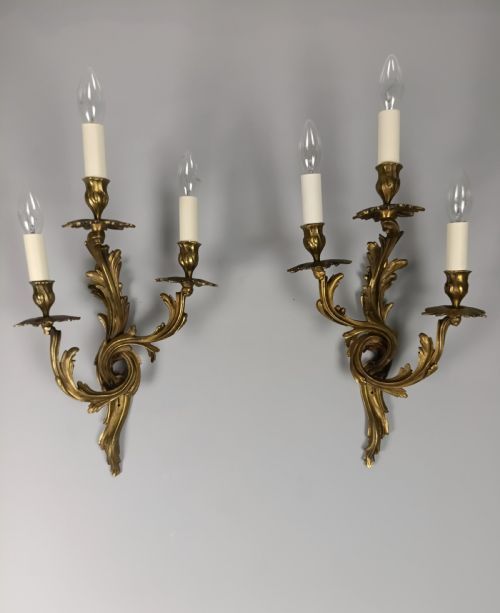
A brass triple light sconce brings layered illumination and sculptural warmth to a room, channelling continental elegance through three branching arms.
Brass Triple Light Sconce
A brass triple light sconce takes the form of a wall-mounted lighting fixture featuring three distinct branches or arms designed to hold multiple bulbs or candles. When exploring this selection, buyers frequently encounter French designs spanning the nineteenth century up through the nineteen-thirties.
Originating largely from French workshops, these pieces manifest in diverse regional interpretations ranging from disciplined neoclassical geometries to flamboyant rococo curves. Alongside standard brass construction, variants surface in gilt bronze, ormolu, and combinations incorporating crystal drops.
Materials and construction methods
Casting forms the bedrock of these pieces, utilising brass, bronze, and gilt metal poured into intricate moulds to shape the branching arms and backplates. Artisans then chased the cooled metal surfaces by hand, sharpening details like acanthus leaves and scrolling foliage.
Gilding techniques applied thin layers of gold or gold leaf over bronze and brass components, yielding a lasting metallic lustre. Many examples integrate glass and cut crystal pendants, suspended to refract the illumination cast by the three light points.
A surprising number of these heavy bronze arms survived decades of candle soot tucked safely behind grand drawing-room mirrors.
What separates the finest examples
The depth and crispness of the metal chasing dictate visual distinction, where skilled hand-tooling separates superior castings from softer, mass-produced alternatives. Heavier gauge bronze and brass provide structural integrity that lighter alloys simply cannot match.
The sophistication of the stylistic execution plays a major role, with master modellers creating balanced proportions across the three arms that feel harmonious rather than cluttered. Preserved gilding and integrated crystal elements that retain their original cut further elevate an example.
The Brass Triple Light Sconce Glossary
- Ormolu
- Gilded bronze used extensively in decorative hardware and lighting fixtures. The process involves applying a mercury and gold amalgam to the metal before heating.
- Rococo
- A decorative style characterised by asymmetry, scrollwork, and naturalistic motifs like shells and C-scrolls. It dominates many nineteenth-century French lighting designs.
- Gilt Bronze
- Bronze metal treated with a gold surface finish to emulate solid gold. This technique protects the underlying metal while offering a brilliant sheen.
- Backplate
- The flat or shaped section of the sconce that attaches directly to the wall surface. It supports the projecting arms and conceals the electrical wiring.
- Crystal
- High-clarity lead glass cut into facets to refract light. Pendants and drops are often hung from the arms to enhance illumination.
Brass Triple Light Sconce: Frequently Asked Questions
Where should I mount a brass triple light sconce?
These fixtures work best positioned at eye level to flank architectural focal points such as fireplaces, large mirrors, or doorways. Their three-arm spread provides balanced ambient light rather than harsh direct illumination.
Ensure the mounting height accounts for the vertical drop of any hanging crystal pendants or lower scrollwork. Placing them in pairs creates symmetry in hallways, dining rooms, or drawing rooms.
How do I distinguish between brass and gilt bronze?
Gilt bronze typically exhibits greater weight and a warmer, deeper golden tone beneath the surface finish due to the copper alloy composition. Brass tends to display a slightly brighter, yellower metallic hue when the protective lacquer or patina wears thin. Ninteenth-century French pieces frequently utilise cast bronze for its superior ability to hold crisp, hand-chased surface details.
What is the difference between rococo and neoclassical styles?
Rococo designs embrace asymmetrical curves, flowing organic lines, and motifs derived from shells, foliage, and flame patterns. They offer a sense of exuberant movement across the three branching arms.
Neoclassical pieces rely on strict symmetry, geometric restraint, urns, ribbons, and classical architectural orders. This aesthetic reflects a later turn toward proportion and classical antiquity.