


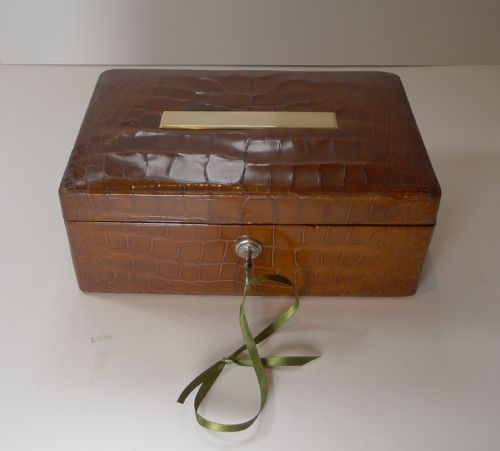


Brass Trinket Case
A brass trinket case offers a sturdy repository for valuables, combining metal mounts with fine timbers to protect your treasured keepsakes.
Brass Trinket Case
When you search for a brass trinket case, you encounter an assortment of small containers designed for personal items, jewellery, and keepsakes. These pieces originate from the Victorian and Edwardian eras, spanning the nineteenth and early twentieth centuries.
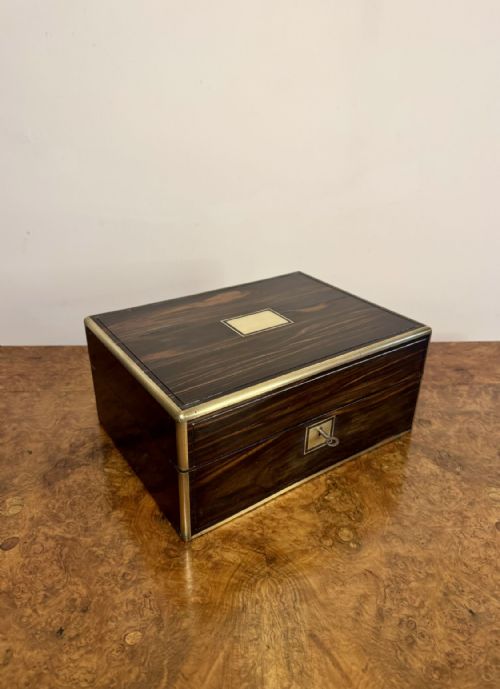
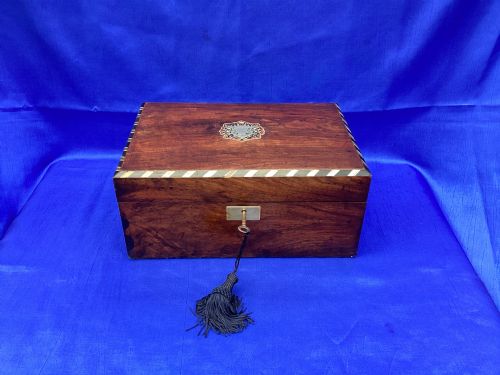
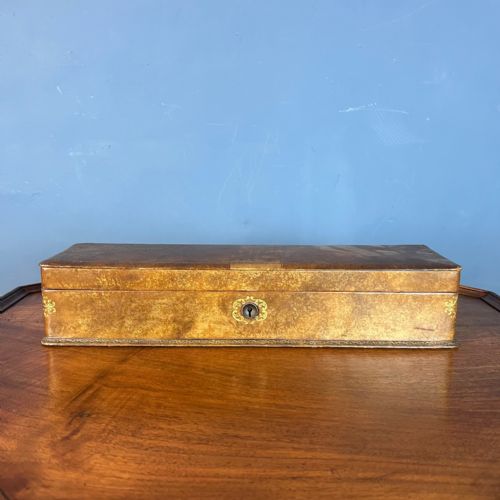
The objects frequently appear in forms such as jewellery boxes, vanity cases, and specialised workboxes. Common materials combined with brass include mahogany, rosewood, walnut, and tooled leather.
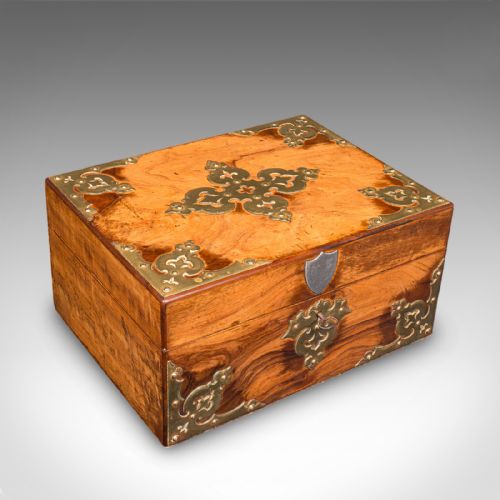
Stylistic variations range from Gothic Revival and French nineteenth-century designs to Dutch tobacco boxes and Art Deco pieces. You will also find items featuring mother-of-pearl inlay and exotic skins like crocodile and alligator.
How they were made
Maker's workshops constructed these cases using dense timbers like mahogany, rosewood, burr walnut, and fruitwood. Carpenters shaped these woods into substantial boxes designed to house personal valuables and writing equipment.
Craftsmen applied brass banding, mounts, and lock escutcheons to reinforce corners and secure lids. Interiors often received silk, velvet, or leather linings to cushion jewellery and delicate instruments.
Brass Trinket Case Retail Price Guide 2026
Typical asking prices for brass trinket case among the pieces listed under this phrase on Sellingantiques today, from the lower quarter to the upper quarter. They describe what is for sale here now, not the wider market.
One box doubles as a technical drawing set, proving that past Victorians took their geometry very seriously indeed.
What varies in quality
The standard of timber selection and cabinetmaking determines the grade of a piece. Denser hardwoods like coromandel and burr walnut indicate superior construction compared to simpler fruitwood or plain mahogany frames.
The precision of the brass work and the integration of fitted interiors also dictate the tier of the object. High-grade examples feature meticulous corner banding, secure locking mechanisms, and intact velvet or leather compartment linings.
The Brass Trinket Case Glossary
- Escutcheon
- A flat plate of brass surrounding a keyhole. It protects the surrounding wood from wear and adds a decorative metal accent to the front of the case.
- Coromandel
- A dense and heavily figured timber from Southeast Asia. It is prized by cabinetmakers for its dark grain patterns and durable finish.
- Workbox
- A container fitted for sewing and needlework tools. These boxes often include internal trays and compartments for threads, needles, and small implements.
- Gothic Revival
- An architectural and decorative style popular in the nineteenth century. It borrows medieval forms, pointed arches, and heavy ornamentation for furniture and boxes.
Brass Trinket Case: Frequently Asked Questions
How were these cases used?
Victorian and Edwardian households utilised these boxes to secure precious items, keepsakes, and daily accessories. Specialised versions held technical drawing sets, sewing equipment, or tobacco.
Many featured lockable lids with fitted internal trays to keep contents organised on dressing tables and desks.
How do I care for a wooden box?
Maintaining a wooden box requires keeping it away from direct sunlight and stable environmental conditions to prevent timber from splitting. Dust the exterior gently with a dry cloth.
Condition the wood periodically with appropriate furniture wax and protect interior silk or velvet linings from moisture.
How do I date a Victorian box?
Dating a box involves examining the construction methods, timber choices, and hardware styles. Victorian pieces often utilise brass corner brackets, hand-cut screws, and dense hardwoods like rosewood or coromandel.
Inscriptions, stamped brass locks, or accompanying period documents can also provide specific chronological clues.