





Brass Trimmed Table
A brass trimmed table brings warmth and structure to a room through its polished metal accents and rich timber construction.
Brass Trimmed Table
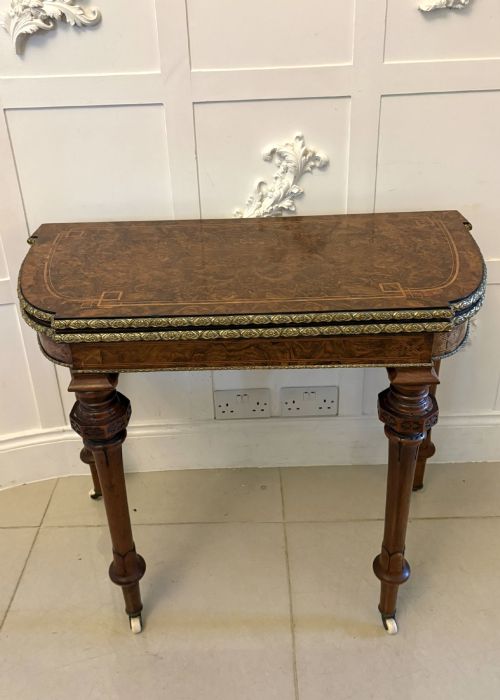
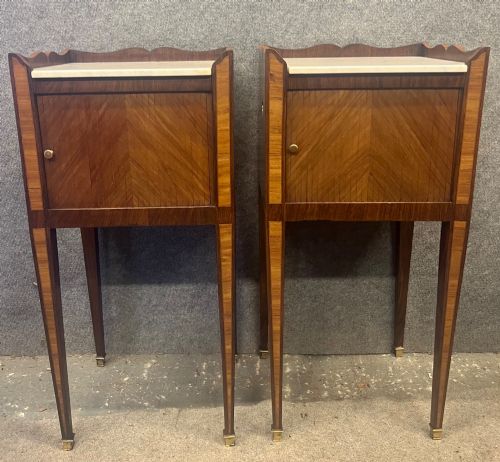
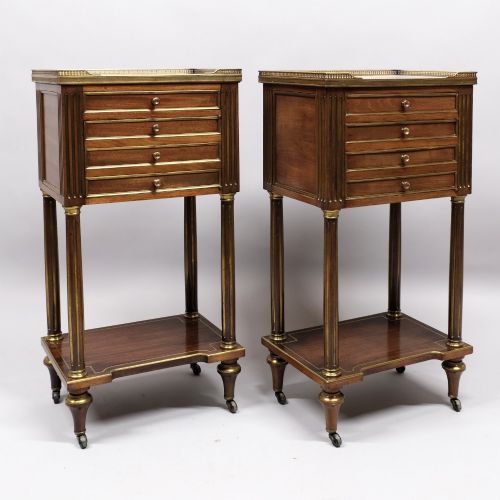
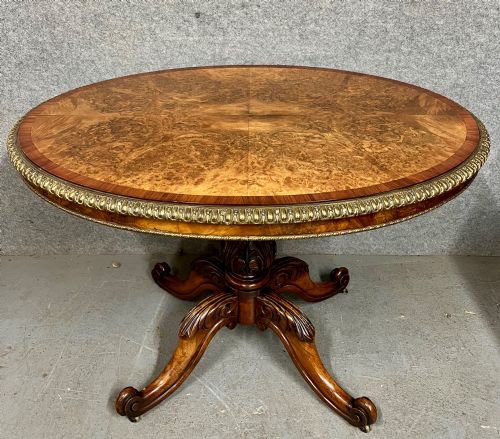
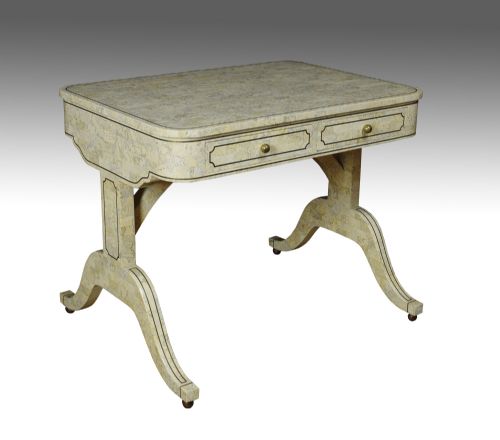
A brass trimmed table combines functional surfaces with decorative metal mounts, banding, or inlay, appearing across periods from the early nineteenth century through the Edwardian era and the 1920s. These pieces range from compact bedside cabinets and occasional tables to substantial console tables, writing desks, and lamp tables created in various European workshops.
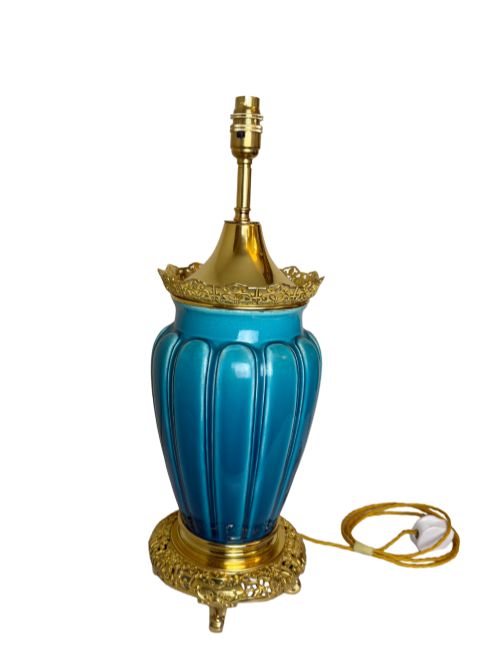
The versions most commonly met on this page include nineteenth-century French and Victorian designs featuring mahogany, walnut, and burr walnut. Many incorporate marble tops, porcelain bodies, or marquetry work alongside their signature metal fittings, offering diverse forms suited to both formal and intimate domestic spaces.
Materials and construction methods
Cabinetmakers utilised hardwoods such as mahogany, walnut, and partridge wood, often applying burr veneers or intricate marquetry patterns to primary surfaces. Structurally sound carcases provided the foundation for decorative elements like inset marble slabs, glass components, and tessellated stone.
Metal elements including brass, ormolu, and gilt bronze were cast, chased, and secured to the timber edges, corners, and legs. These mounts served to protect vulnerable perimeters while adding linear contrast to the underlying wood.
Brass Trimmed Table Retail Price Guide 2026
Typical asking prices for brass trimmed table among the pieces listed under this phrase on Sellingantiques today, from the lower quarter to the upper quarter. They describe what is for sale here now, not the wider market.
Several tables appear ready to assist with evening correspondence, complete with swan neck lamps that have watched over a century of ink.
Assessing quality and execution
Quality reveals itself in the precision of the timber matching, the crispness of the marquetry inlay, and the integration of the metal mounts into the wooden structure. Superior pieces display seamless joints between the brass trim and the surrounding material without gaps or uneven alignment.
The refinement of the cast bronze or brass mounts, alongside the selection of secondary timbers and the integrity of marble or glass inserts, distinguishes standard production from more ambitious workshop output.
The Brass Trimmed Table Glossary
- Ormolu
- Gilded bronze applied as a decorative mount or trim on furniture and lighting fixtures. This technique involves coating cast bronze in a layer of gold amalgam.
- Marquetry
- Decorative veneer work arranged in pictorial or geometric patterns using various coloured woods. Craftsmen cut thin slices of veneer and fit them tightly together before gluing them to the carcase.
- Burr walnut
- Wood harvested from the burl growth of a walnut tree, exhibiting swirling and highly figured grain patterns. It is typically sliced into thin veneers for statement furniture surfaces.
- Console table
- A table designed to stand against a wall, frequently secured with brackets or supported by distinctive legs. These pieces often feature decorative front mounts and shaped marble tops.
Brass Trimmed Table: Frequently Asked Questions
What rooms suit a brass trimmed table?
These tables function effectively in sitting rooms, bedrooms, and studies as focal points or practical surfaces for lamps and display. Their varied forms allow them to sit against walls or operate as freestanding pieces.
Smaller formats like bedside cabinets and occasional tables integrate easily beside seating or beds, while larger writing desks and console tables anchor larger reception spaces.
How do I care for brass trim?
Maintenance involves gentle dusting with a soft cloth to prevent the accumulation of dirt around the metal mounts and timber joints. Harsh chemical cleaners should be avoided to protect the original finish of both the metal and the wood.
Period brass and ormolu often develop a natural patina over time, which many collectors prefer to preserve rather than polish to a bright shine.
How are different periods identified?
Stylistic cues such as the symmetry of French Empire designs, the ornate marquetry of nineteenth-century French work, or the cleaner lines of Edwardian and 1920s pieces help determine the era of manufacture. The choice of timbers, from heavy mahogany to tessellated stone, also points toward specific decades of production.
Examining the construction methods used on the underside and interior carcases provides further evidence regarding the age and origin of the piece.
Were these tables used for writing?
Certain forms within this group, particularly nineteenth-century French writing tables, were specifically built for correspondence and paperwork. They often incorporate fitted drawers and inset leather or wooden writing surfaces.
Other variants, such as occasional tables and console tables, served primarily for display, holding lamps, decorative objects, or serving refreshments.