



Brass Teardrop Pendant Lights
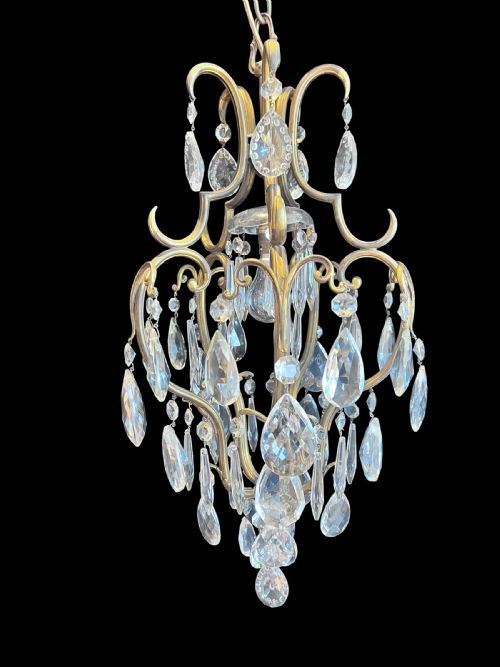
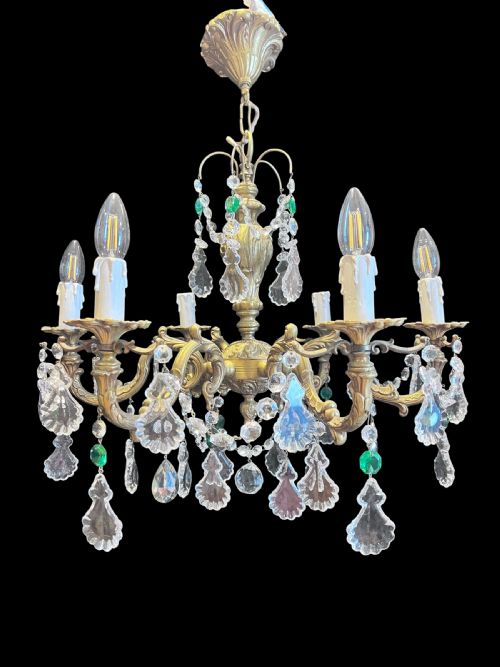
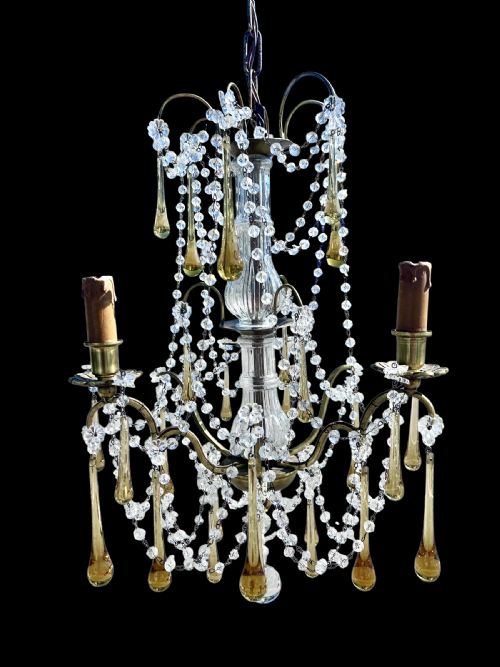
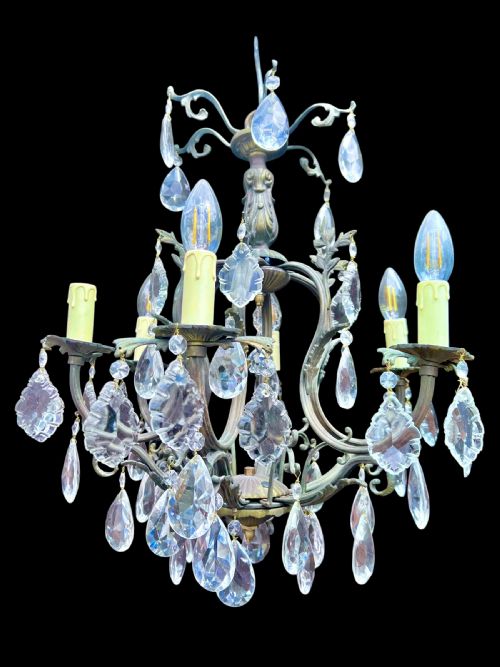
These brass teardrop pendant lights combine gleaming metal with suspended crystal, bringing warmth and sparkle to any room.
Brass Teardrop Pendant Lights
The selection here draws heavily from French and Italian traditions, incorporating styles ranging from French Chateau and Rococo Revival to Italian Florentine and Regency. They serve as central overhead illumination that relies on suspended glass and crystal drops to diffuse light.
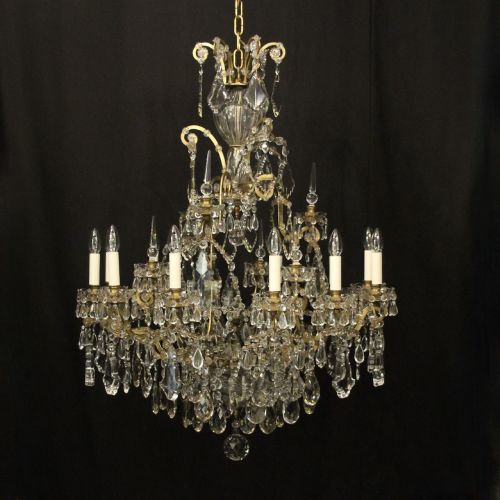
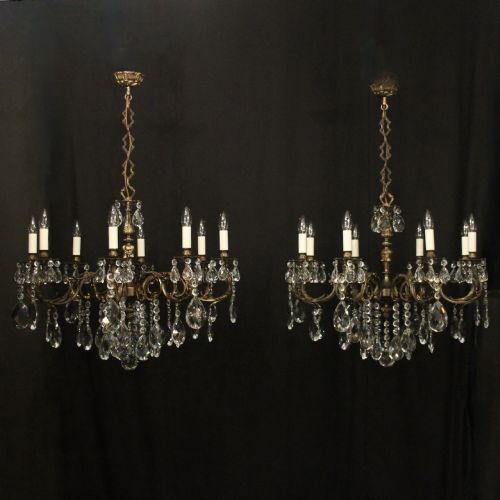
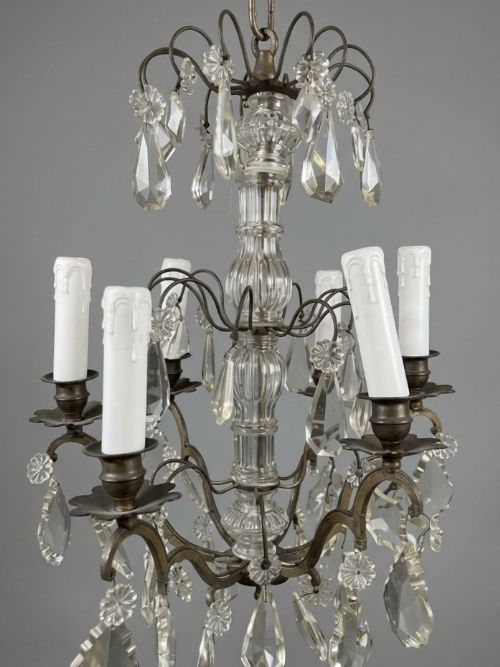
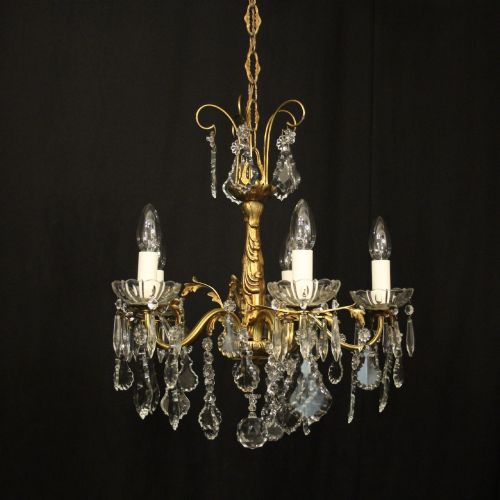
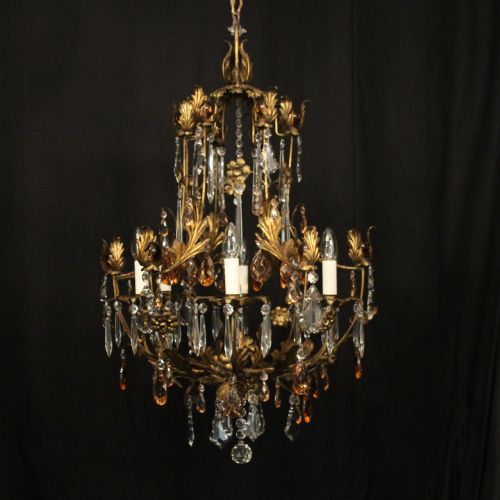
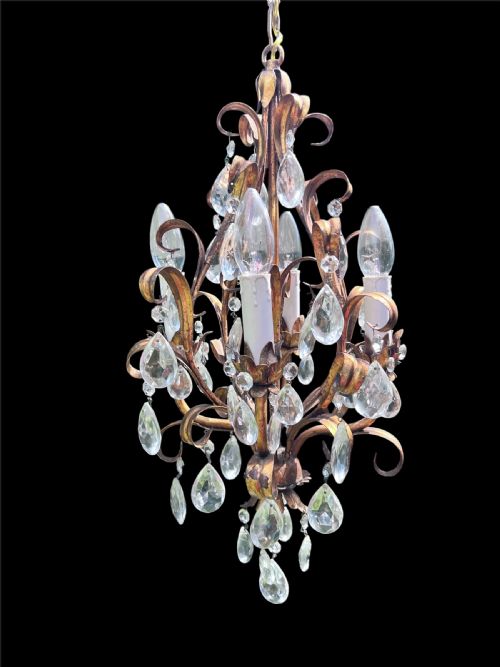
Most examples merge a brass, gilt metal, or bronze frame with decorative glass components. The teardrop description relates directly to the hanging crystal prisms that catch and refract the illumination from multiple candle-style arms.
Materials and construction methods
Makers constructed the structural frames from cast brass, gilt bronze, wrought iron, and gilt metal, forming sturdy cages, branches, and tiers. These metals were often cast with ornate detailing such as leafy motifs, grape clusters, or neoclassical lines.
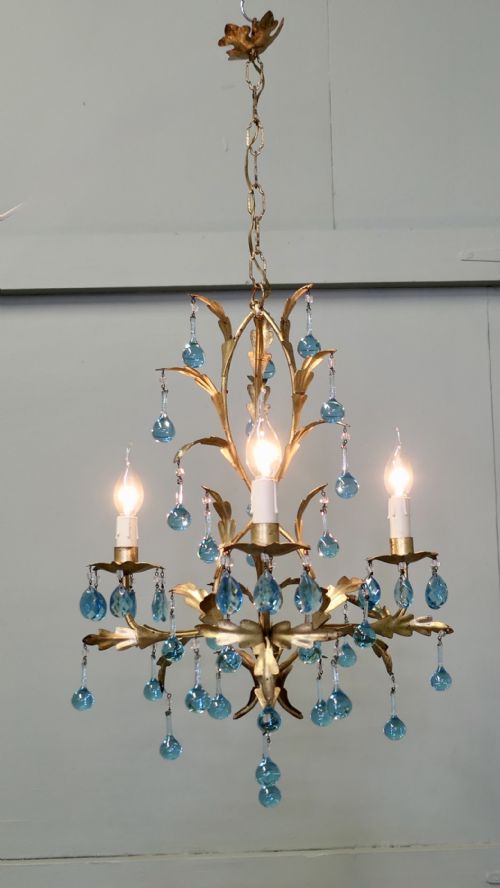
Cut glass and crystal formed the characteristic teardrop drops and swags, which workers manually wired or pinned to the metal frameworks. Coloured crystals and turquoise elements frequently appeared alongside clear glass to add chromatic depth.
Brass Teardrop Pendant Lights Retail Price Guide 2026
Typical asking prices for brass teardrop pendant lights among the pieces listed under this phrase on Sellingantiques today, from the lower quarter to the upper quarter. They describe what is for sale here now, not the wider market.
Some early twentieth-century examples hide delicate glass grapes among their crystal drops, adding a whimsical touch to the illumination.
Assessing quality in period lighting
Quality rests primarily on the weight and purity of the cast metal frame and the clarity of the crystal drops. Heavier bronze and gilt brass structures with deeply chased ornamentation sit at the top of the range.
The precision of the glass cutting and the presence of hand-polished facets distinguish superior crystals from simpler pressed glass alternatives. Original patination and intact wiring configurations further elevate the desirability of a fixture.
La Mason Bagues
The Brass Teardrop Pendant Lights Glossary
- Chandelier
- A branched ornamental ceiling light designed to hold multiple bulbs or candles. These fixtures became central decorative elements in grand rooms.
- Gilt Bronze
- Bronze metal coated with a thin layer of gold or gold-coloured alloy. This technique protected the base metal while providing a rich, luminous finish.
- Crystal
- High-clarity glass containing lead oxide, which increases brilliance and refractive index. It accounts for the sharp, prismatic sparkle seen on period drops.
- Toleware
- Painted or lacquered metalware, often utilised in French pieces to introduce vibrant colour accents alongside brass and crystal.
- Cage Chandelier
- A style where the metal frame encloses the central stem completely within a web of crystal swags and drops.
Brass Teardrop Pendant Lights: Frequently Asked Questions
How do I clean brass teardrop pendant lights?
Gently wipe the metal framework with a dry or slightly damp soft cloth to preserve the original surface patination. Avoid harsh chemical cleaners that might strip the gilt layers from the bronze or brass.
Remove the glass drops individually if they require deeper cleaning, washing them in lukewarm soapy water. Dry each crystal thoroughly with a lint-free cloth before rehanging it on the fixture.
Where should I hang these chandeliers?
These fixtures suit dining rooms, hallways, and living spaces where overhead illumination can act as a focal point. Ensure the ceiling height accommodates the drop length of the chandelier safely.
Position the light centrally over furniture groupings or tables to balance the room visually. Professional installation is recommended to support the weight of bronze and crystal structures securely.
How do I date a brass and crystal chandelier?
Examine the casting quality of the brass or bronze frame and the hand-cut facets of the crystal drops. Edwardian and early twentieth-century pieces often display specific floral or leafy motifs characteristic of the period.
Inspect the construction techniques used for the pins holding the crystal teardrops in place. Hand-formed wire fixings frequently point to earlier manufacturing methods compared to mass-produced modern alternatives.