



Brass Smoking
These brass smoking antique pieces are tobacco boxes, pipe stands, and companion items that bring period character to a desk or club lounge.
Brass Smoking
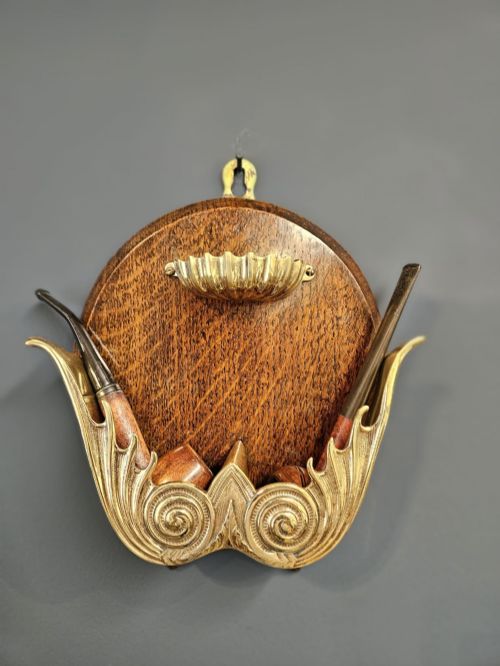
When you search for a brass smoking antique, you encounter items designed for tobacco storage and pipe organisation from the nineteenth and early twentieth centuries. These encompass Victorian oak and brass pipe racks, Edwardian smokers boxes, and cigar stands from the nineteen twenties.
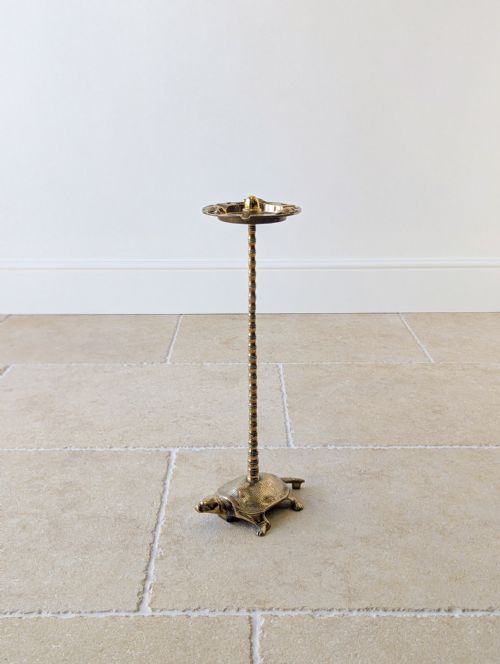
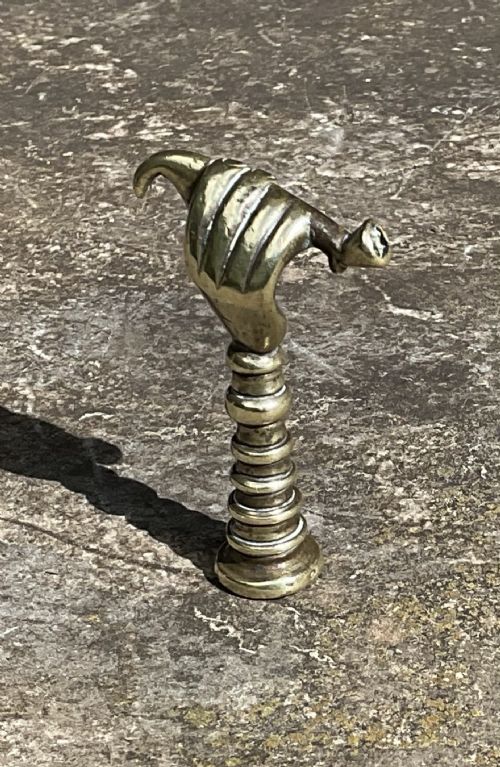
The objects on this page range from modest brass pipe tampers to floor-standing cigar stands and locking cabinets made of burr walnut or mahogany. You also find whimsical items like linden wood humidors carved in the shape of bears.
Originating largely from British and European workshops, these smoking accessories reflect the domestic habits of the Victorian and Edwardian eras. The selection prioritises functional pieces that doubled as decorative objects for gentlemen's studies and smoking rooms.
Materials and construction
Makers combined brass with various timbers such as oak, mahogany, burr walnut, and linden wood to build these smoking accessories. Metal components like brass wire and copper provide structural support and decorative mountings, often paired with hand-blown crystal or smoked glass.
Carving and metalworking define the manufacturing techniques seen across these pieces, from the detailed animal forms of Black Forest woodcarving to diamond-cut crystal bell jars. Cabinetmakers utilised dovetail joints and brass locks to secure valuable cigars and tobacco inside humidors and boxes.
Brass Smoking Retail Price Guide 2026
Typical asking prices for brass smoking among the pieces listed under this phrase on Sellingantiques today, from the lower quarter to the upper quarter. They describe what is for sale here now, not the wider market.
Judging quality and craftsmanship
The standard of execution separates everyday utility objects from superior cabinetwork, particularly in the crispness of woodcarving on Black Forest linden wood and the precision of brass fittings. Superior examples display thoughtful integration of mixed materials, such as well-matched burr walnut veneers paired with heavy cast brass hinges.
Condition and completeness dictate the standing of a piece within its type, noting whether locking mechanisms retain their original keys and if fitted interiors remain intact. Authenticity of period materials, such as genuine bone components and hand-blended patination on the brass, marks the more accomplished items.
The Brass Smoking Glossary
- Humidor
- A moisture-controlled box or cabinet designed to keep cigars fresh. These containers frequently incorporated wood and brass fittings.
- Pipe rack
- A wall-mounted or freestanding wooden fixture designed to hold tobacco pipes upright. They commonly featured brass hooks or rests.
- Pipe tamper
- A small hand tool used to pack tobacco down into the bowl of a pipe. Examples were cast in solid brass.
- Tobacciana
- A term for items related to the consumption of tobacco, including boxes, stands, and tampers. Collectors group these diverse objects under a single heading.
- Black Forest
- A regional style of woodcarving originating from Switzerland and Germany, known for realistic animal sculptures. Carved linden wood bears are typical of this tradition.
Brass Smoking: Frequently Asked Questions
What is a smoker's box?
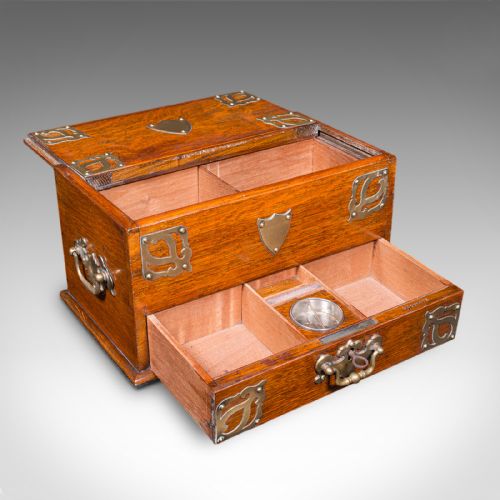
A smoker's box is a specialised wooden container, often accented with brass, designed to hold cigars, cigarettes, and smoking implements securely in one place.
These boxes typically sat on desks or tables in club lounges and studies during the Victorian and Edwardian periods to keep smoking materials organised.
How do I date a brass smoking piece?
Dating relies on identifying the prevailing style of the woodwork, such as Edwardian box construction or Black Forest carving, alongside the manufacturing method of the brass elements.
Consulting the specific period markers like turned wooden feet, dovetailing techniques, and cast brass hardware helps narrow the decade of manufacture.
Were these items used daily?
Yes, these accessories were functional objects created for the everyday containment and preparation of tobacco in period households.
Pipe stands and tampers saw frequent handling by smokers, which accounts for the natural wear and patination found on the brass and wood surfaces today.
Where were cigar stands placed?
Floor-standing cigar stands and tabletop cabinets were positioned in smoking rooms, libraries, and gentlemen's retreats.
They kept tobacco, cigars, and matches within arm's reach of seating areas for residents and their guests during social gatherings.