



Brass Salon Chair
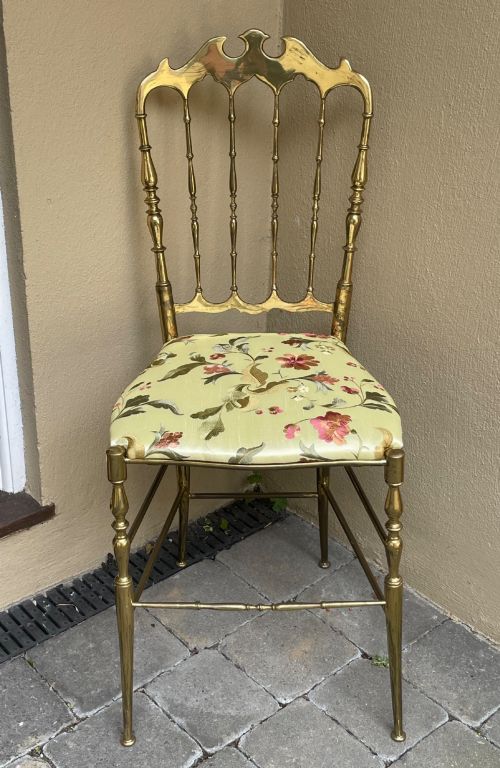
A brass salon chair brings a metallic sheen and refined seating to a parlour, merging structural metal with upholstered comfort.
Brass Salon Chair
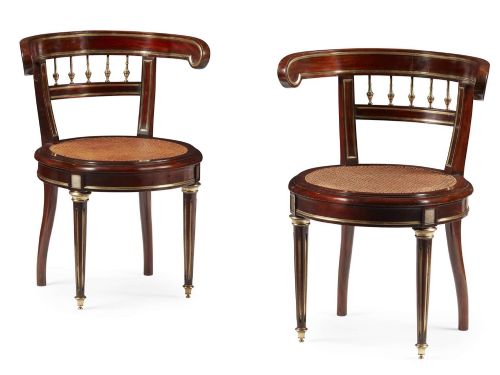
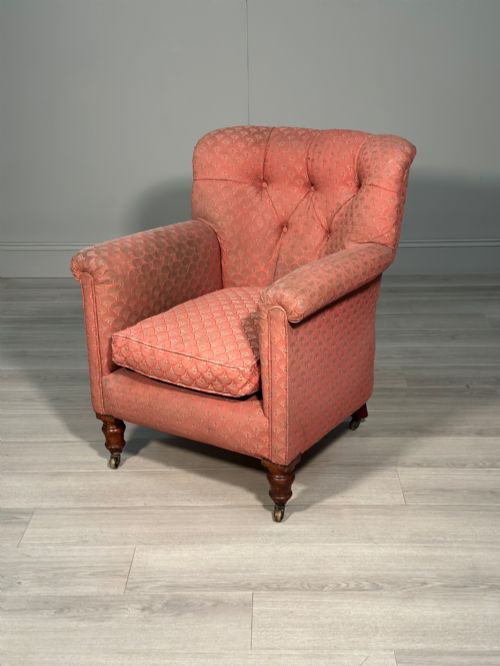
When you search for a brass salon chair, you encounter seating designed for entertaining and reception rooms rather than heavy daily lounging. These pieces range from polished metal frames to wooden structures embellished with cast mounts, upholstery, and textile covers.
The inventory on this page spans several stylistic revivals and centuries, including Victorian, Edwardian, and Empire Revival periods. Forms include open armchairs, side chairs, nursing chairs, and complete salon suites.
Most examples lean towards French or British design vocabularies, featuring woods such as mahogany and walnut alongside textile elements like velvet, needlepoint, and patterned fabrics. The selection reflects diverse interpretations of historic revivalism from the eighteenth through the early twentieth centuries.
Materials and construction
Makers utilised structural timber frames of mahogany and walnut, frequently shaping them into curvaceous profiles like barley twists or spoon backs. These wooden foundations often received painted finishes or elaborate carvings.
Metal components appear as solid polished frames or as cast ormolu mounts affixed to timber structures to highlight decorative joints and crest rails. Upholstery techniques involved traditional stuffing finished with velvet, needlework panels, or patterned textiles.
Brass Salon Chair Retail Price Guide 2026
Typical asking prices for brass salon chair among the pieces listed under this phrase on Sellingantiques today, from the lower quarter to the upper quarter. They describe what is for sale here now, not the wider market.
Some chairs sport needlepoint panels stitched so tightly they have outlasted several generations of parlour gossip.
Evaluating craftsmanship
Quality rests in the crispness of metal casting and the precision of the timber joinery, where finely chased mounts and tight joints distinguish superior work. The handling of carved details, such as lyre fronts or scroll arms, indicates the skill invested in the frame.
Upholstery execution also dictates distinction, marked by the selection of durable velvet or intricate needlepoint panels that complement the proportions of the chair. Matching pairs and complete suites represent a higher degree of matched design integrity than solitary pieces.
Howard and Sons
The Brass Salon Chair Glossary
- Ormolu
- Gilded bronze or brass applied as decorative mounts to furniture frames. This technique adds metallic contrast to wooden surfaces.
- Bergère
- An enclosed upholstered armchair with wooden framing exposed around the sides and back. It typically includes a loose cushion seat.
- Barley Twist
- A turning style resembling a spiralling rope carved into wooden legs or supports. It gained popularity during the Victorian period.
- Needlepoint
- Embroidery stitched onto canvas mesh to create dense decorative panels for seat covers and backs. It provides durable textured surfaces.
Brass Salon Chair: Frequently Asked Questions
What is a brass salon chair?
A brass salon chair is a decorative seat incorporating polished brass frames or prominent metallic mounts. These chairs were intended for formal reception rooms.
They combine metallic elements with traditional materials like mahogany, walnut, velvet, and textile upholstery.
How do I date a salon chair?
Dating relies on identifying stylistic revivals, such as Empire, Rococo, or Edwardian design traits, alongside construction methods. Materials like specific hardwoods and textile types also offer clues to the era of manufacture.
Comparing the turned elements, carving styles, and joinery against documented historical periods helps narrow down the production decade.
Where should I place these chairs?
These chairs suit drawing rooms, bedrooms, or entrance halls where their decorative frames and upholstered panels can be fully appreciated. They function well as accent seating rather than primary lounging chairs.
Keep them away from direct sunlight to protect delicate fabrics like velvet and needlepoint from fading.
What styles are common here?
The listings feature revival styles including Victorian Rococo, Empire, and Edwardian interpretations. French design influences appear frequently alongside traditional British forms.
Common decorative motifs involve barley twists, spoon backs, and classical ormolu mounts.