





Brass Relief Art
These pieces of brass relief art combine metalwork and dimensional design, offering tactile surfaces and historic character that elevate any interior.
Brass Relief Art
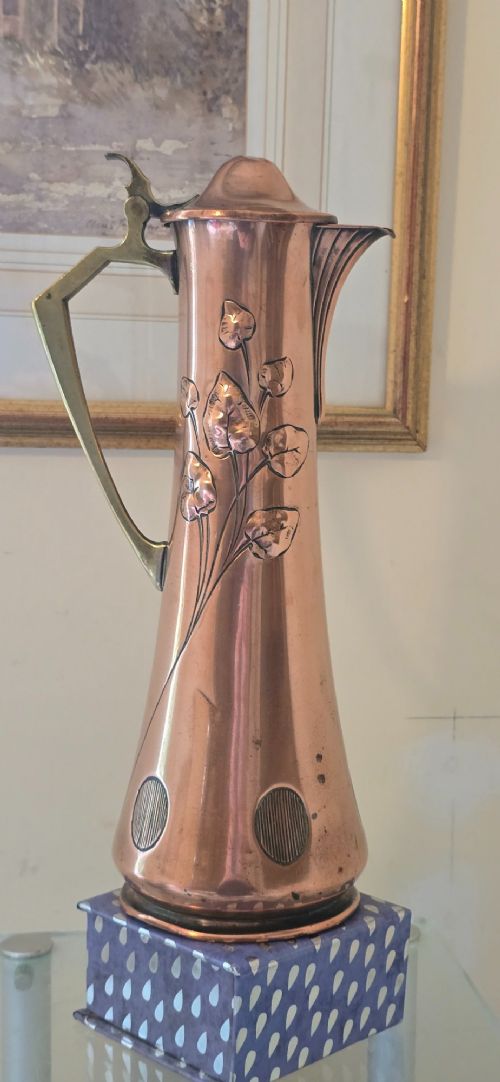
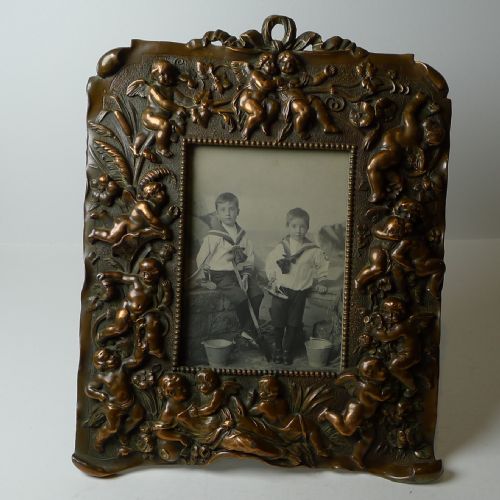
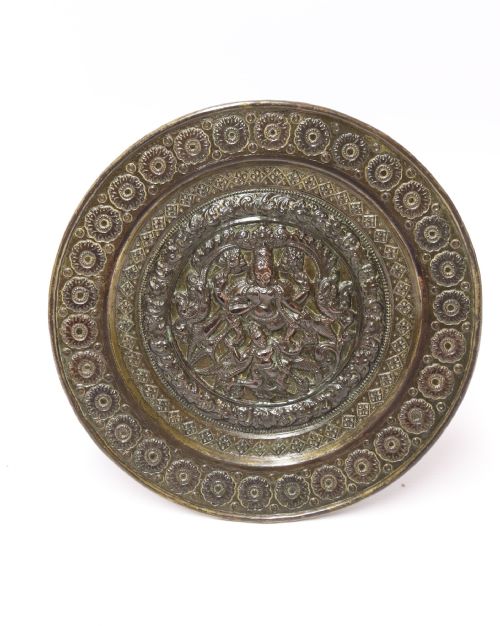
Brass relief art encompasses a diverse array of decorative objects, wall plaques, and vessels created across multiple centuries and international styles. When collectors search for brass relief art, they encounter items ranging from European ewers and frames to Asian bronze vases and Indian plaques.
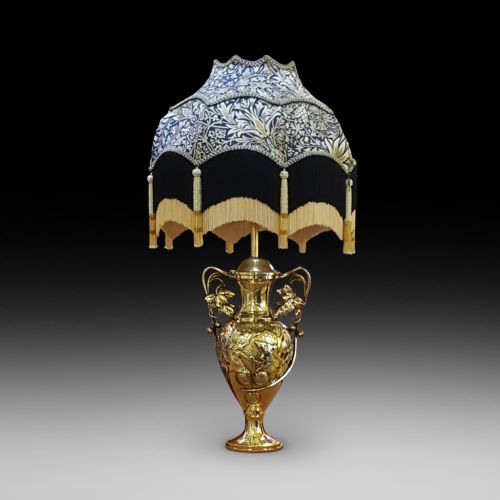
The selection on this page demonstrates broad chronological breadth, spanning from eighteenth-century panels up to mid-twentieth-century pieces and beyond. Common forms include framed wall art, decorative boxes, and table lamps that incorporate raised metalwork into their primary design.
How they were made
Makers utilised brass, copper, bronze, and gilt metal, frequently combining these base metals with wood, glass, and paint to achieve textural contrast. Surface decoration relied upon hammering, casting, and repoussé techniques to push the metal into three-dimensional relief.
Artisan workshops also employed jigsaw woodwork and detailed chasing alongside metalwork, integrating different media within single pieces such as ewers, caskets, and picture frames.
Brass Relief Art Retail Price Guide 2026
Typical asking prices for brass relief art among the pieces listed under this phrase on Sellingantiques today, from the lower quarter to the upper quarter. They describe what is for sale here now, not the wider market.
Listings feature pieces spanning the eighteenth century through to the nineteen-twenties, incorporating wood, glass, and paint.
What varies in quality
The distinction between standard items and finer examples rests upon the crispness of the raised chasing and the harmony of the overall composition. Superior pieces display confident handling of the metal surface, where floral or figural motifs retain sharp definition and deliberate depth.
Material selection and decorative integrity further separate the range, with skilled integration of mixed media such as painted elements or carved wooden panels indicating higher workshop standards.
WMF
The Brass Relief Art Glossary
- Repoussé
- A metalworking technique where the metal is hammered from the reverse side to form a raised design on the front. This method allows artisans to create intricate pictorial scenes and floral patterns with considerable depth.
- Art Nouveau
- An international style of art and architecture that flourished between eighteen-ninety and nineteen-ten, characterised by asymmetrical organic lines and stylised plant motifs. Pieces from this period frequently utilise whipped curves and flowing natural forms.
- Meiji Period
- A Japanese historical era lasting from eighteen-sixty-eight to nineteen-twelve, noted for exceptional bronze and metalwork craftsmanship. Objects from this time often exhibit refined patination and meticulous attention to detail.
- Ewer
- A large jug with a wide spout and handle, traditionally used for holding water but frequently produced as a decorative ornamental vessel. In metalwork, these items showcase sculptural handles and relief-decorated bodies.
- Tableau
- A striking and picturesque grouping of figures or objects arranged to represent a scene. Gilt relief tableaus present these narrative compositions in polished metal.
Brass Relief Art: Frequently Asked Questions
How old are these pieces?
The items range widely in age, from eighteenth-century wooden and metal panels to twentieth-century wall plaques and vases. Each piece reflects the dominant decorative style of its specific era.
Earlier examples often display traditional hand-chasing methods, while later twentieth-century pieces incorporate mid-century motifs and modern production techniques.
How do I clean brass relief art?
Cleaning depends on the presence of original patination, painted details, or gilt finishes that require gentle preservation. Harsh chemical polishes should be avoided to protect the delicate raised surfaces and underlying metal.
Dusting with a soft, dry cloth is generally sufficient for daily maintenance of older metalwork and framed panels.
Where were these items made?
The pieces originate from diverse European workshops, British colonial regions, and Asian manufacturing centres. Continental European makers contributed significant Art Nouveau designs and cast metal vessels.
Other items reflect regional folk traditions from Dutch woodworking to Japanese Meiji period bronze casting and Indian Raj period metalwork.