

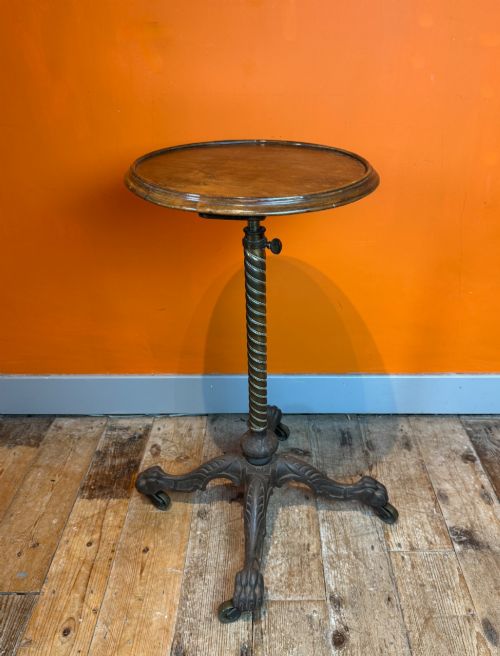
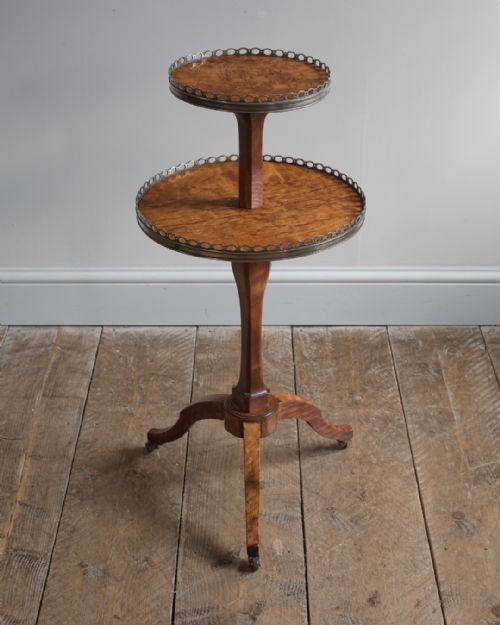
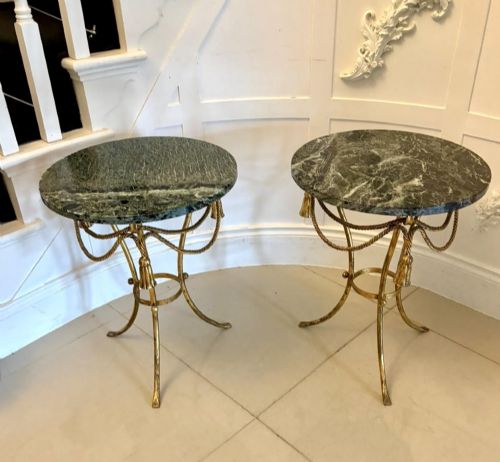
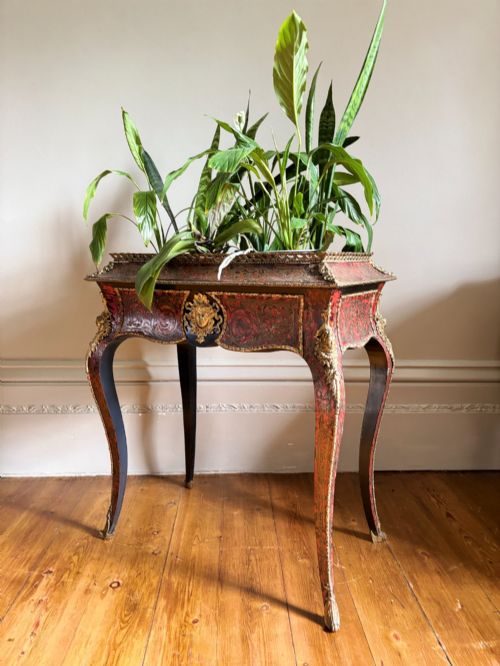

Brass Plant Table
A brass plant table brings botanical focus to a room, uniting metallic structure with natural greenery.
Brass Plant Table
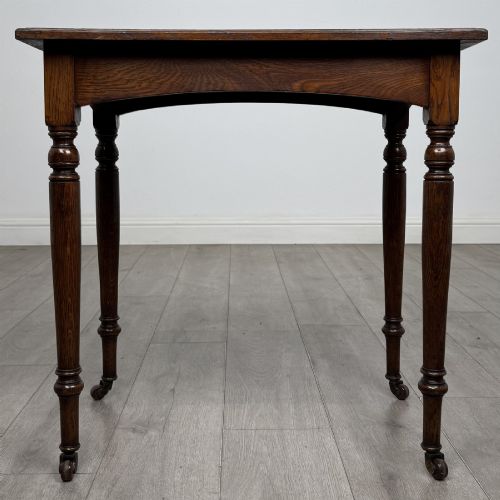
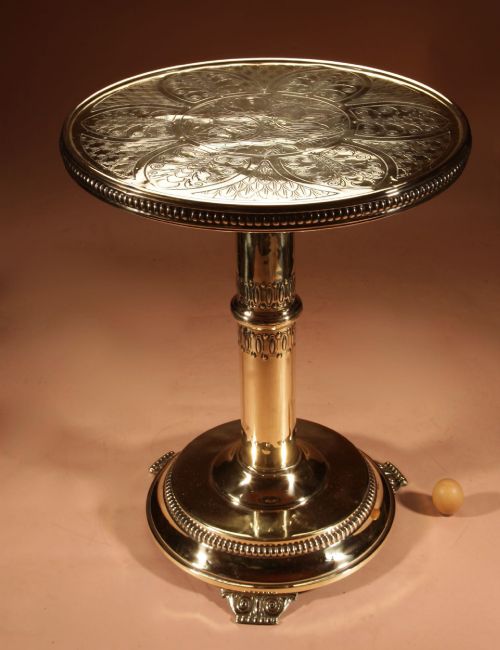
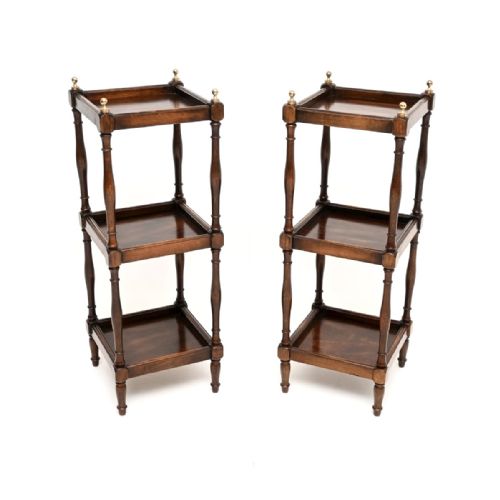
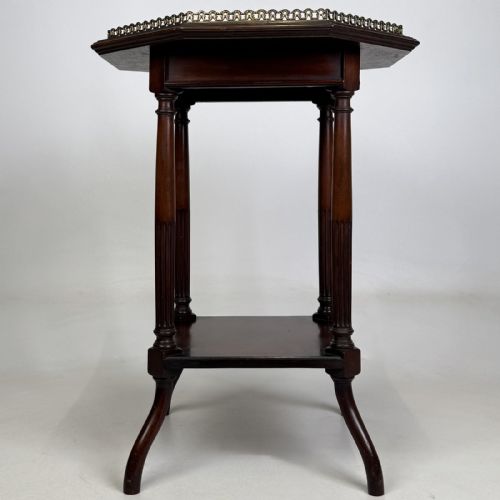
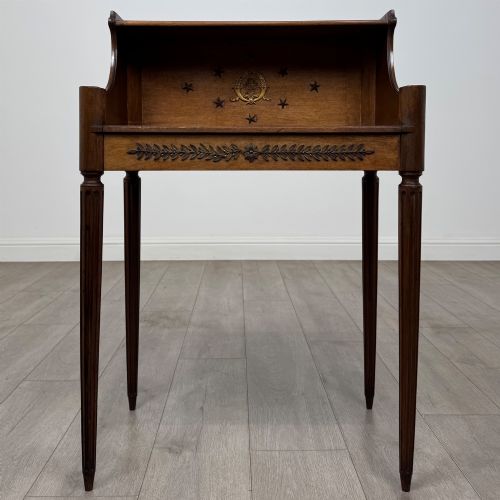
A brass plant table encompasses elevated stands, side tables, and jardinieres designed to hold plants and flowers within domestic spaces. The pieces appearing here span from mid-nineteenth-century Victorian creations to early twentieth-century examples, taking the form of tiered stands, occasional tables, and dedicated display holders.
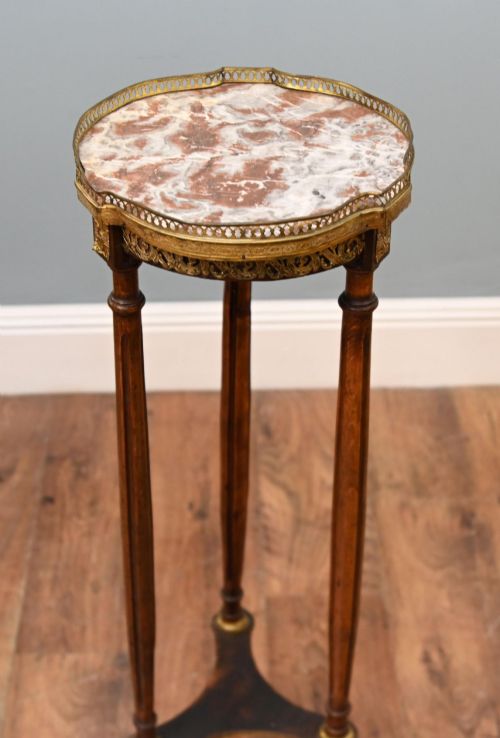
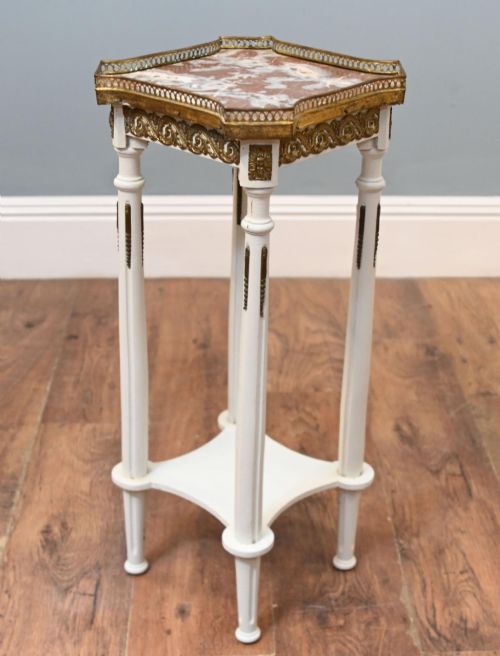
The materials paired with brass define the stylistic lineage of these tables, frequently combining mahogany, walnut, or rosewood with marble tops and ormolu mounts. French regional influences predominate alongside Anglo-Indian and Italian designs, offering varied silhouettes from octagonal occasional surfaces to slender columnar pedestals.
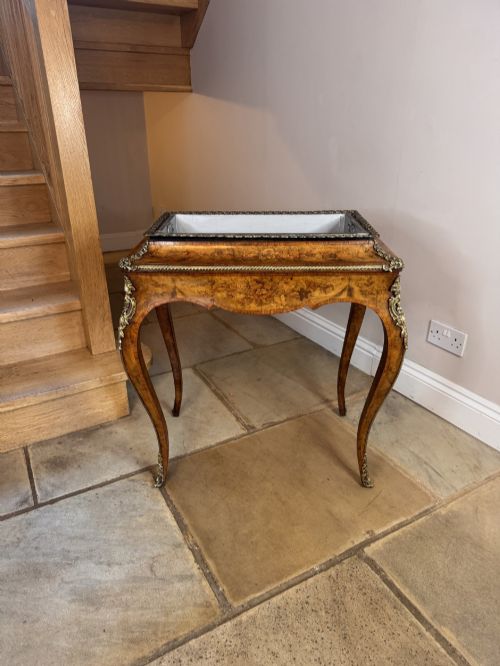
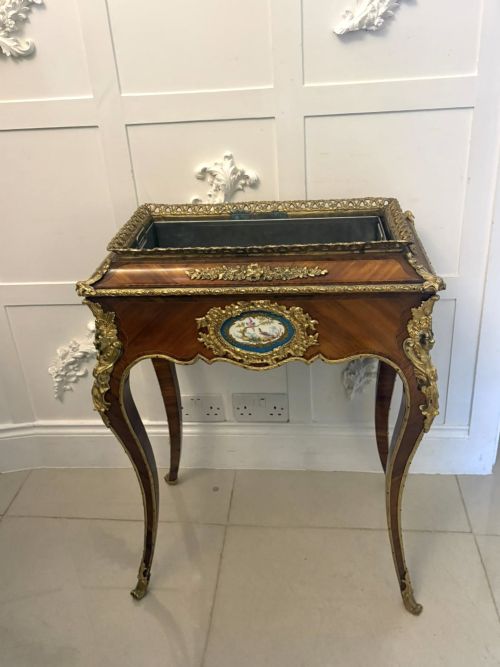
Buyers encounter forms that merge utilitarian plant support with decorative display, including specialised jardiniere tables fitted with metal liners. These objects function equally as plant stands and lamp tables, reflecting versatile nineteenth and twentieth-century interior uses.
How they were made
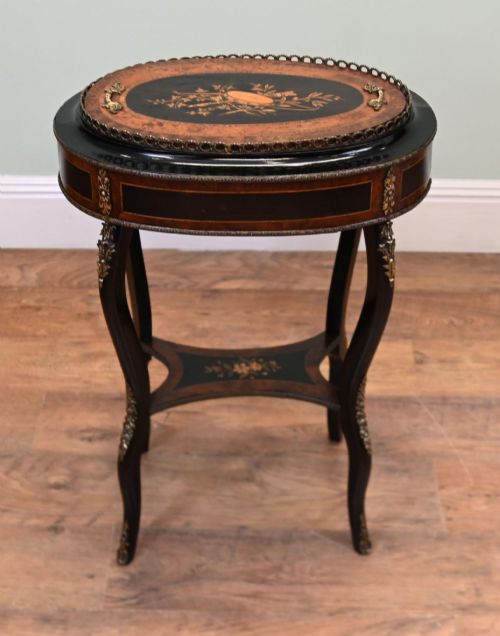
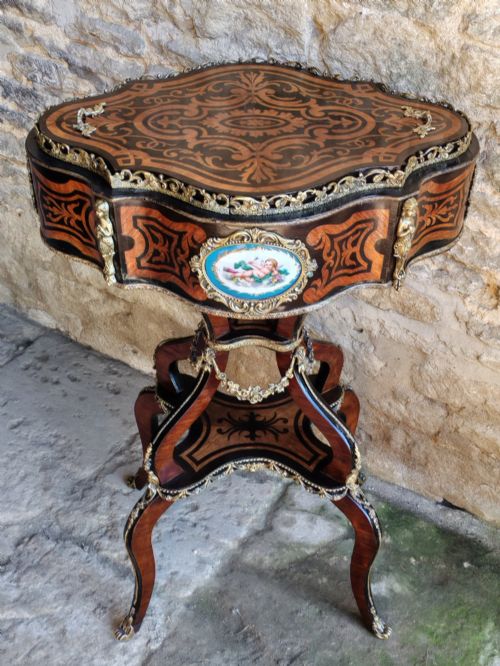
Maker construction relies on cabinet timbers such as mahogany, walnut, and rosewood, often enhanced with ebonised finishes, satinwood, or intricate marquetry. Metal components integrate cast brass, ormolu, and copper, frequently shaped into galleries, mounts, and inlaid surface patterns.
Stone inserts introduce heavy tops of marble or onyx, supported by wooden or metal frames utilising turning, carving, and joinery techniques. Specialised pieces incorporate porcelain plaques and bone inlay to enrich the primary timber and brass structure.
Brass Plant Table Retail Price Guide 2026
Typical asking prices for brass plant table among the pieces listed under this phrase on Sellingantiques today, from the lower quarter to the upper quarter. They describe what is for sale here now, not the wider market.
Several tables moonlight as wine coolers, proving that nineteenth-century plants and nineteenth-century refreshments shared very similar tastes in furniture.
What varies in quality
Quality rests upon the crispness of the brass casting and ormolu mounts, where finely chased detail distinguishes superior workshops from standard production. The selection of secondary woods and the precision of marquetry or inlay further elevate the construction.
The integration of materials dictates the overall heft and balance, particularly in pieces combining heavy marble or onyx tops with slender metallic or wooden legs. Finer examples display harmonious proportions between the metal gallery, the primary timber, and any inset decorative plaques.
The Brass Plant Table Glossary
- Jardiniere
- An ornamental stand or container specifically designed to hold plants and flowers indoors. These vessels often feature waterproof liners and decorative metal mounts.
- Ormolu
- Gilded bronze or brass applied as decorative mounts on furniture and plant stands. The technique involves coating base metal with a mercury-gold amalgam.
- Gallery
- A raised pierced metal or wooden rail surrounding the edge of a table top. This feature prevents items from sliding off the surface.
- Marquetry
- Decorative veneer applied to furniture in patterns using different woods, shells, or ivory. It creates pictorial or geometric designs across table tops.
- Etagere
- A piece of furniture consisting of a set of open shelves for displaying small objects. These tiered stands utilise multiple levels to maximise display space.
Brass Plant Table: Frequently Asked Questions
What is a brass plant table?
A brass plant table is an elevated furniture piece designed to support potted plants, featuring a metal frame or decorative brass elements. These tables combine surfaces of wood, marble, or onyx with metallic galleries and mounts.
Historically utilised in Victorian and early twentieth-century interiors, they elevate greenery to eye level while serving as decorative display surfaces.
How do I style a brass plant table at home?
Position a brass plant table in a well-lit corner or beside seating to showcase trailing foliage or potted specimens. The reflective metal and marble surfaces complement both traditional and eclectic modern room schemes.
Keep the botanical focus central by pairing the stand with plants that contrast against the timber and brass tones, or use the surface for decorative objects.
How do I identify French styles on these tables?
French styles like Napoleon III, Empire, and Louis XV appear through specific decorative vocabulary, including ormolu mounts, marble tops, and ebonised wood. Look for curved cabriole legs, Boulle marquetry, and inset porcelain plaques.
These design markers point to continental influences prevalent in nineteenth-century workshops and subsequent revival periods.
Where were Anglo-Indian plant tables made?
Anglo-Indian tables originate from artisan workshops in nineteenth and early twentieth-century India, created for both local use and export to European markets. They characteristically employ teak or indigenous timbers combined with detailed brass and bone inlay.
These pieces reflect an intersection of traditional Indian woodworking techniques with British domestic furniture forms.