

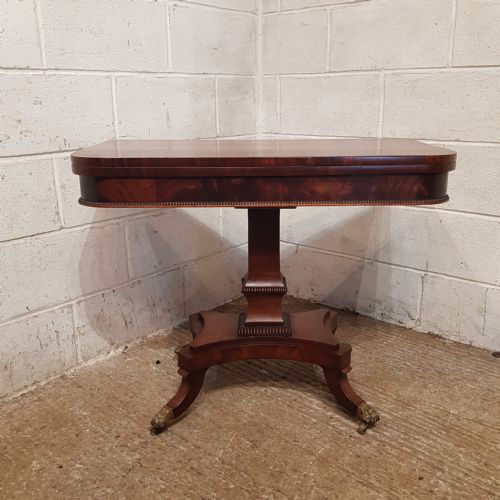
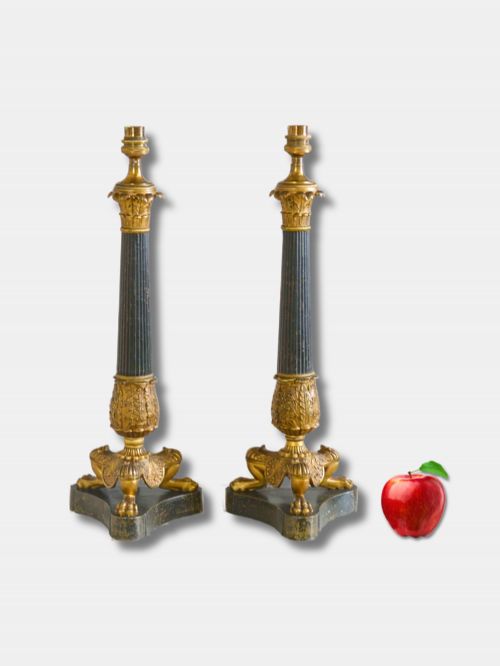


Brass Paw Feet
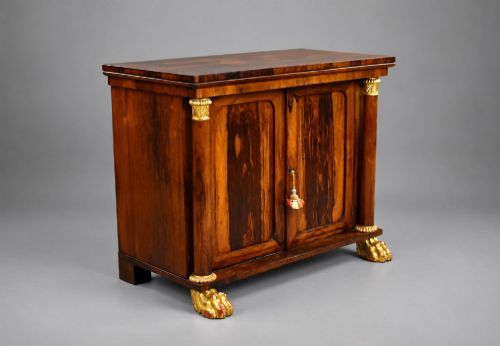
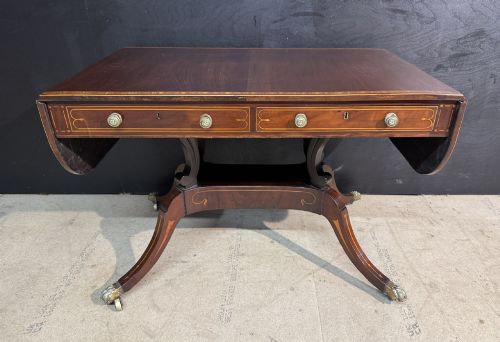
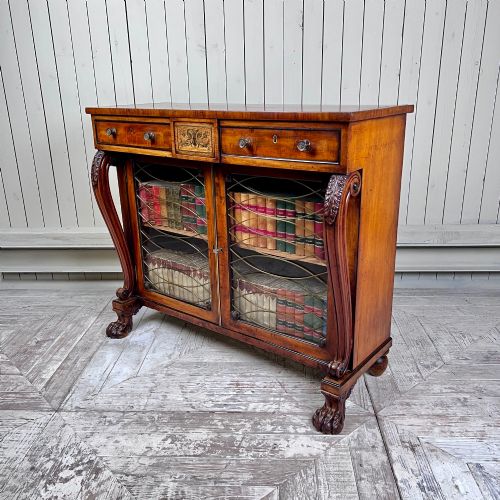
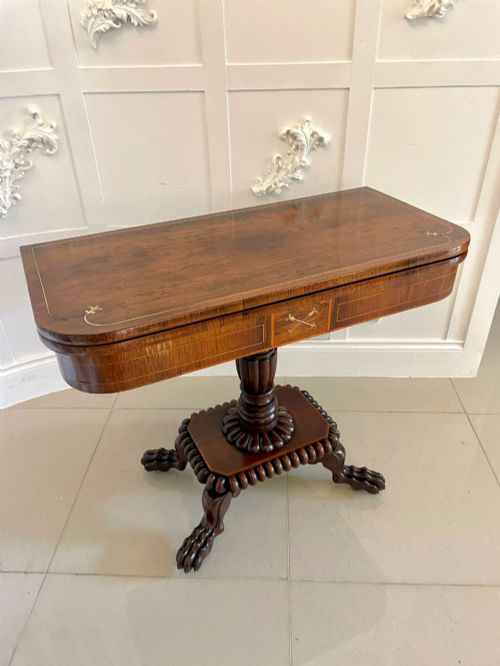
Brass paw feet anchor the legs of Regency card tables, Georgian writing desks and French lamps, bringing weight and sculptural animal form to fine timber furniture.
Brass Paw Feet
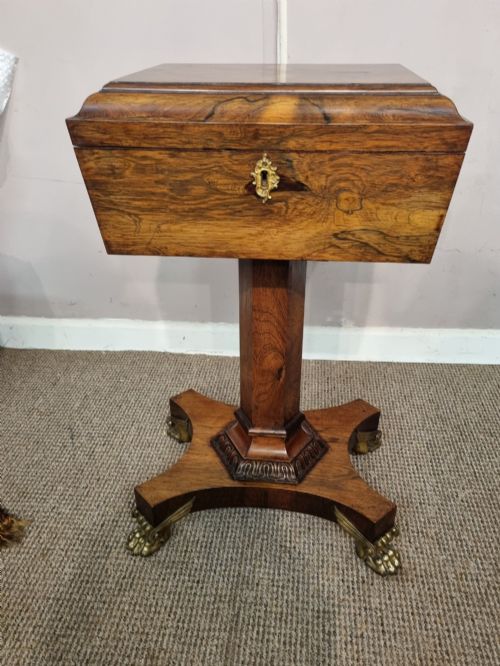
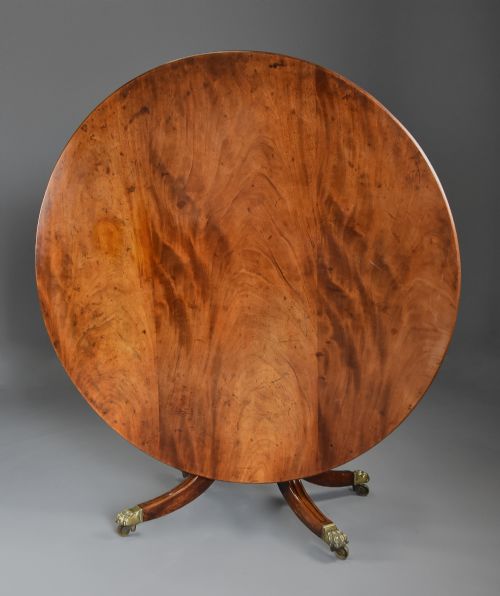
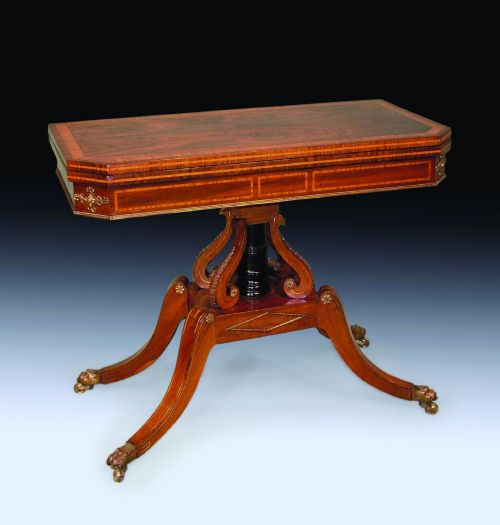
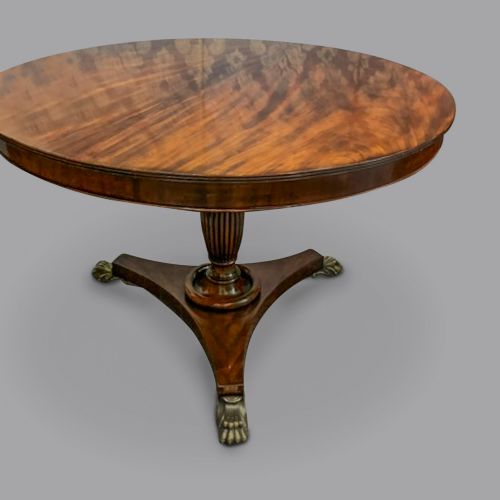
Brass paw feet appear on items matching this search phrase primarily across Regency and Georgian tables, including sofa tables, card tables, centre tables and breakfast tables. These terminal mounts also support occasional pieces such as teapoys, writing desks, cabinets and lamps.
The pieces encountered most frequently on this page date from the late eighteenth century through the nineteenth century, with styles spanning Regency, Georgian, George III and Victorian eras. Makers applied these cast or chased brass terminals to substantial timber furniture frameworks.
Primary woods supporting these mounts include mahogany, rosewood and satinwood, occasionally complemented by ebony, ebonised wood or marble. The combination of warm cabinet timbers and bright metallic paws defines the aesthetic of these foundational supports.
How they were made
Metalworkers produced brass paw feet through casting and chasing, creating detailed claws and fur texture to fit the tapering bottoms of furniture legs. These metal mounts were then secured to timber supports using small brass pins or screws.
Cabinet makers constructed the main furniture bodies from dense hardwoods like mahogany and rosewood, often incorporating satinwood stringing, brass inlay or ormolu mounts to match the finish of the feet. The structural stability of the table or desk relied on firm joinery where the leg met the metal terminal.
Brass Paw Feet Retail Price Guide 2026
Typical asking prices for brass paw feet among the pieces listed under this phrase on Sellingantiques today, from the lower quarter to the upper quarter. They describe what is for sale here now, not the wider market.
Some nineteenth-century tables stand on tiny feline paws that appear ready to pounce across the parlour floor.
What varies in quality
The refinement of the casting in the brass paw feet determines the crispness of the fur and claw detail, separating mass-produced hardware from finely chased sculptural work. Heavier gauge metal indicates a superior casting that resists denting and maintains its structural integrity.
Timber selection and secondary detailing govern the overall grade of the piece, where figured mahogany or rich rosewood paired with precise brass inlay or gilding marks the upper tier of execution. The harmony between the metal mount and the timber leg dictates whether the piece achieves a balanced architectural presence.
The Brass Paw Feet Glossary
- Paw feet
- Terminal furniture mounts cast in the shape of animal paws, usually in brass or ormolu, fitted to the base of legs on tables, desks and seating. They provide both physical protection to the timber base and a decorative visual anchor.
- Sofa table
- A rectangular library or Pembroke table designed to sit in front of a sofa, typically featuring two drop leaves and dual pedestal supports resting on brass paw feet. These tables date predominantly from the Regency and Georgian periods.
- Teapoy
- A small cabinet or box mounted on a central pedestal or four legs, designed to hold tea canisters and mixing bowls. Many examples from the nineteenth century incorporate decorative brass work on their lower supports.
- Ormolu
- Gilded bronze or brass applied to furniture mounts, lamp bases and decorative hardware. This technique gives the metal a rich gold appearance that complements dark cabinet woods.
- Chasing
- The manual process of refining a metal casting with punches and hammers to sharpen surface details such as fur or claws. Fine chasing distinguishes high-grade brass mounts from plain utilitarian fittings.
Brass Paw Feet: Frequently Asked Questions
What furniture uses brass paw feet?
Tables, desks, seating and lighting from the Georgian, Regency and Victorian periods frequently incorporate these metal terminals on their legs or pedestals. Sofa tables and card tables represent the most common furniture forms bearing this detail.
Cabinet makers also fitted them to writing slopes, tea caddies and occasional stands, allowing the heavy timber bodies to rest securely on decorative metallic supports.
How do I date furniture with brass paw feet?
Dating relies on the overall timber construction, cabinet style and mounting technique rather than the metal foot alone. Regency and Georgian examples exhibit specific proportions and secondary woods that help pinpoint their era of manufacture.
Cast brass terminals gained popularity during the late eighteenth and early nineteenth centuries, evolving from restrained classical designs to more ornate Victorian interpretations.
Are brass paw feet original to the piece?
Original mounts generally fit the exact taper and footprint of the timber leg without leaving exposed screw holes or gaps in the wood. Examining the interior of the metal socket reveals the casting texture and wear patterns consistent with the age of the furniture.
Replacements often utilise modern fastening screws or standard industrial brass that fails to match the patina and weight of period hardware.
How do I care for brass paw feet?
Dusting with a dry microfibre cloth keeps the metal free from abrasive particles that can scratch the surface during routine cleaning. Avoid harsh chemical polishes that strip away the historical patina built up over centuries.
Applying microcrystalline wax helps protect the brass from oxidation and tarnishing without altering its natural colour or damaging adjacent cabinet timbers.