


Brass Painted Lamps
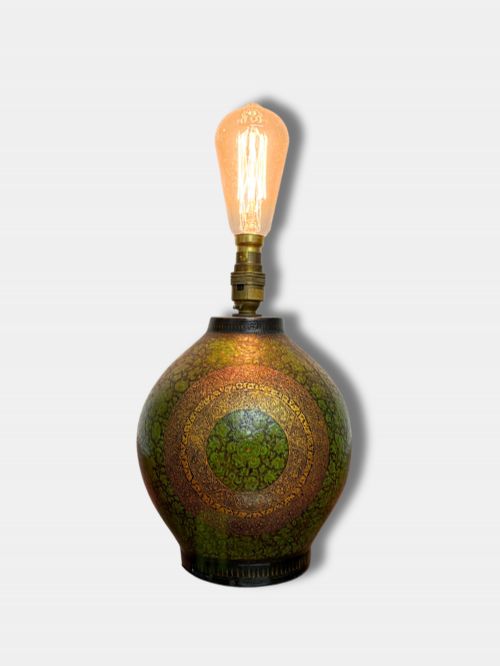
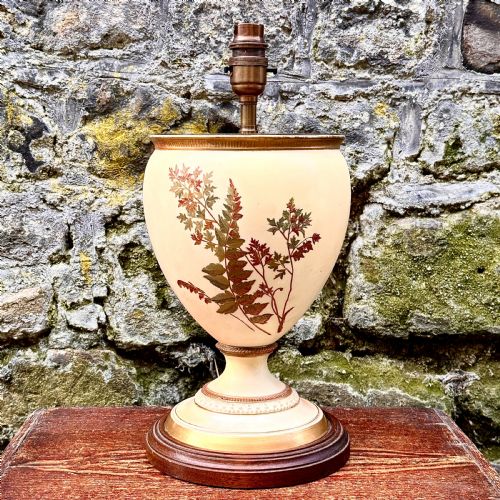
Brass painted lamps bring warmth and decorative colour to a room, combining metallic structure with hand-painted glass, ceramic or toleware finishes.
Brass Painted Lamps
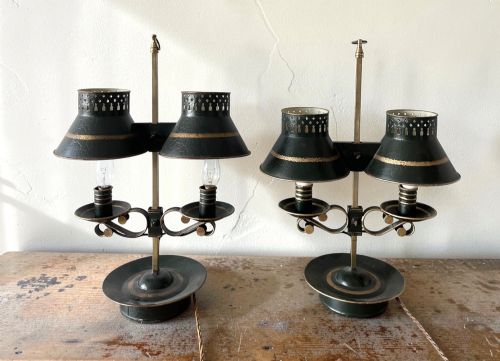
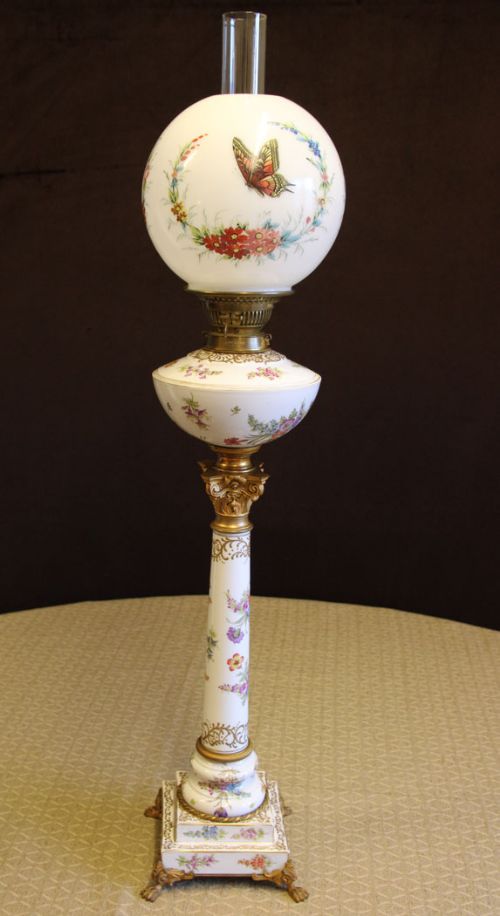
Brass painted lamps encompass a diverse range of lighting forms, with Victorian and early twentieth-century examples dominating the selection. Buyers searching for brass painted lamps will frequently encounter converted oil lamps, bouillotte desk lights and ceramic or glass vase lamps spanning the nineteenth and twentieth centuries.
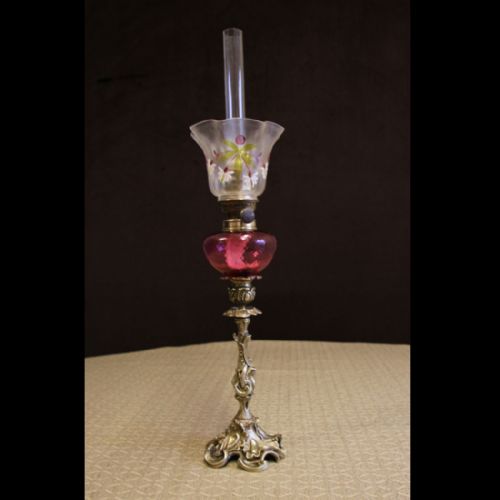
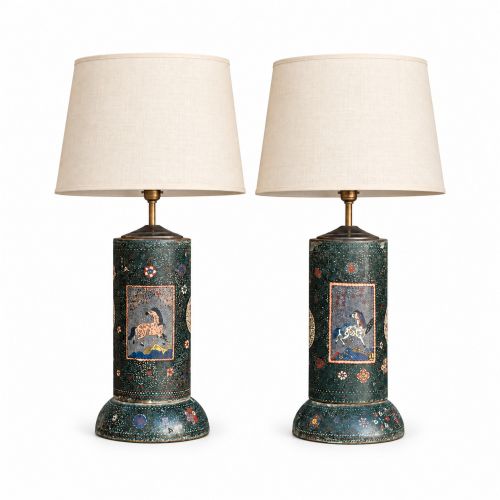
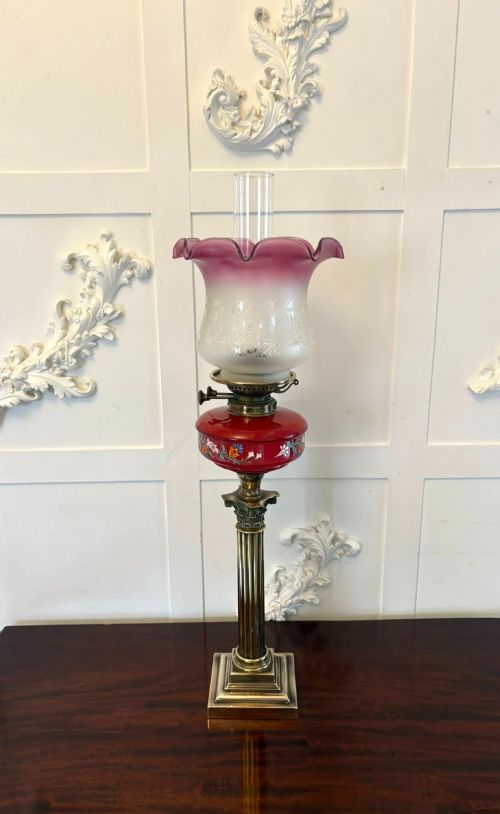
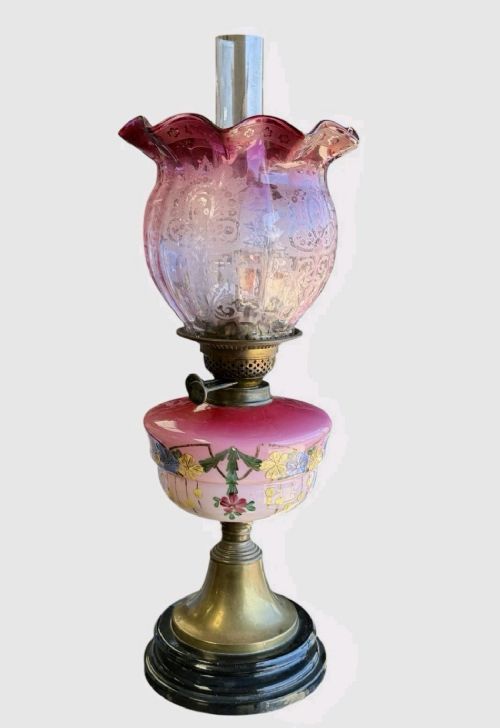
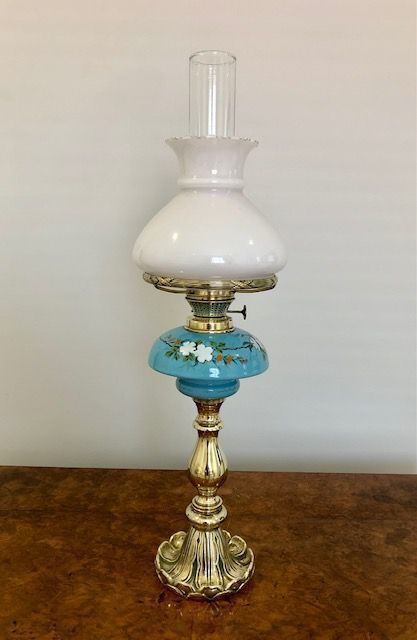
The selection includes pieces created across various international centres, from English Victorian oil lamps with cranberry glass to French tole-peinte column lamps and Chinese export porcelain conversions. Table lamps and oil lamps represent the primary forms encountered within these periods.
How they were made
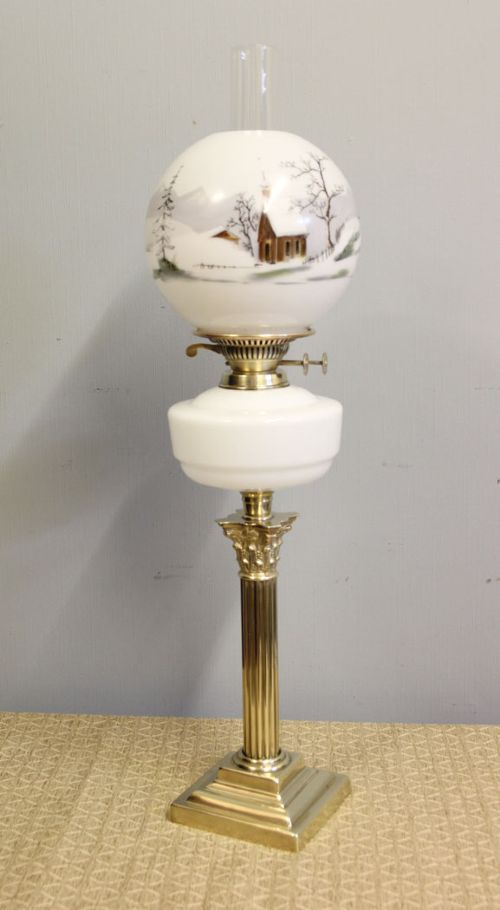
Makers constructed the primary framework of these pieces from cast and spun brass, frequently pairing the metal with glass, porcelain, ceramic, or painted sheet metal known as toleware. Columns often feature classical motifs such as Corinthian capitals, supporting fonts or bodies shaped from opaline, cranberry or hand-painted glass.
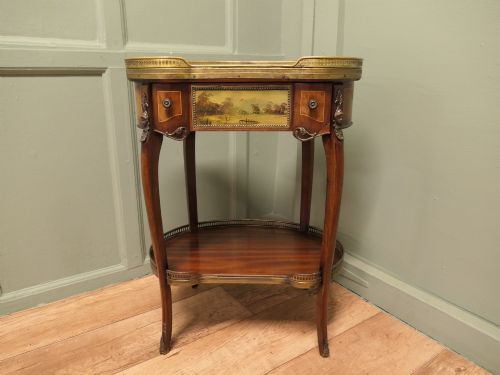
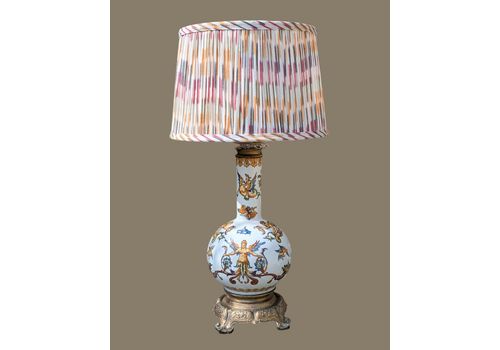
Decoration relied on hand-applied enamels and pigments upon glass shades, ceramic bodies and metal surfaces, creating floral, scenic or gilt patterns. Many period lamps integrate fabric shades or incorporate painted satinwood and marble elements within associated side tables and lamp bases.
Brass Painted Lamps Retail Price Guide 2026
Typical asking prices for brass painted lamps among the pieces listed under this phrase on Sellingantiques today, from the lower quarter to the upper quarter. They describe what is for sale here now, not the wider market.
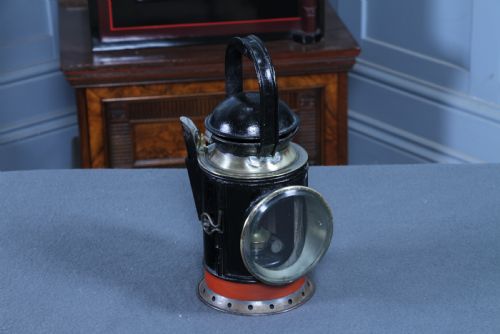
Railway inspectors once carried numbered brass hand lanterns with tri-colour lenses to signal safety across Victorian tracks.
What varies in quality
The standard of the brass casting and the crispness of detailing set finer examples apart from simpler utilitarian pieces. Superior items display refined chasing on columns and heavy gauge metalwork that retains its structural integrity.
The artistry of the hand-painted decoration on glass fonts, porcelain bodies and toleware shades dictates the overall distinction of the piece. Precision in brushwork and depth of colour separate standard production items from workshop pieces bearing named makers or distinct regional characteristics.
L & F Moreau·Royal Worcester·Hinks·Taylor Tunnicliff
The Brass Painted Lamps Glossary
- Toleware
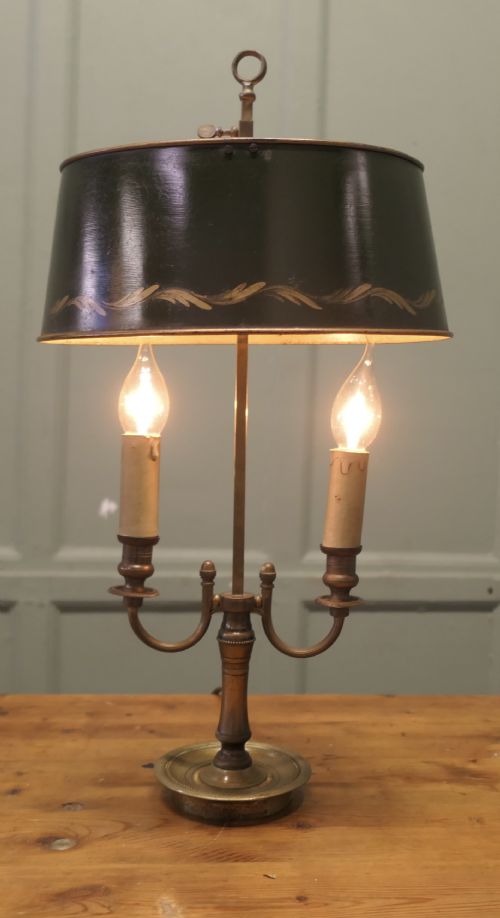
- Painted or lacquered sheet metal items, often utilised for French bouillotte lamps and decorative shades. This technique provides a smooth coloured surface suitable for gilt detailing.
- Bouillotte lamp
- An adjustable desk or table lamp featuring a central metal shade mounted on a columnar brass stem. They traditionally derive from French gaming lamps of the eighteenth and nineteenth centuries.
- Corinthian column
- An architectural column style featuring ornate acanthus leaves on the capital, frequently cast in brass for Victorian oil lamp pedestals.
- Plafonnier
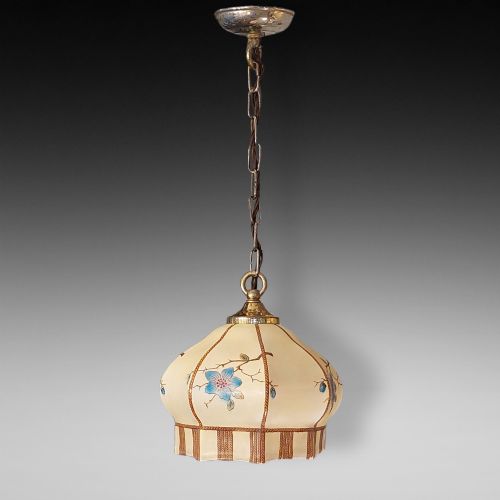
- A ceiling-mounted bowl light or pendant fixture popular during the early twentieth century. These fixtures sit flush or close to the ceiling.
Brass Painted Lamps: Frequently Asked Questions
How do I date a brass lamp?
Dating relies on examining the construction methods of the brass components, burner types, and the style of any glass or ceramic bodies. Victorian pieces often feature heavy cast brass bases and cranberry glass fonts, while later twentieth-century examples show simpler soldered joints.
Associated hallmarks, registry marks, or maker stamps on the metal or ceramic elements provide further chronological markers. Comparing the decorative motifs, such as Art Nouveau curves or Edwardian neoclassical columns, helps narrow the production era.
Are these lamps converted from oil?
Many period table lamps began life as nineteenth-century paraffin or oil lamps before being adapted for electric bulbs. These conversions retain original brass burners or fonts fitted with modern internal wiring.
Buyers should expect older pieces to show signs of past utility within the fuel reservoirs or burner assemblies. Rewiring is standard practice for safe domestic use while preserving the historic exterior structure.
What is toleware?
Toleware refers to varnished or enamelled metalware, usually iron or steel, painted with decorative scenes or solid background colours. French workshops frequently applied this technique to bouillotte lamps and column candlesticks.
The painted finish offers a durable surface that introduces rich tones like green or red alongside gilt highlights. Over time, genuine antique tole displays natural wear that distinguishes period items from modern reproductions.
How should I clean painted glass shades?
Painted glass shades require gentle maintenance using lukewarm water and a mild detergent applied with a soft cloth. Harsh abrasives or chemical solvents will damage the delicate hand-painted pigments and gilt borders.
Care must be taken around older enamel work, which can lift if soaked for extended periods. Patting the glass dry with a lint-free cloth preserves the historic surface finish.