

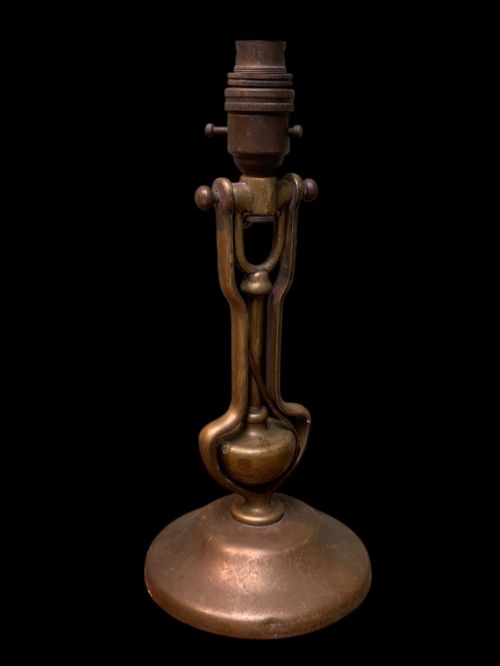
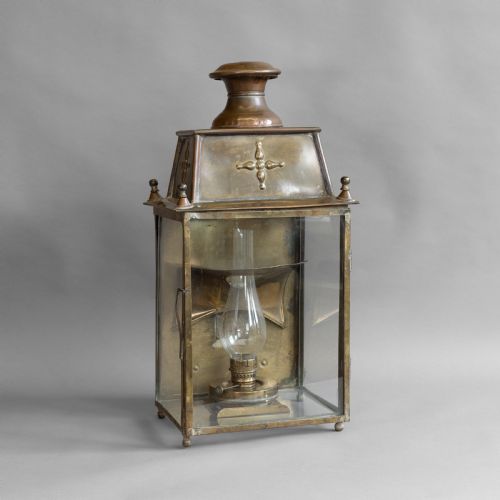
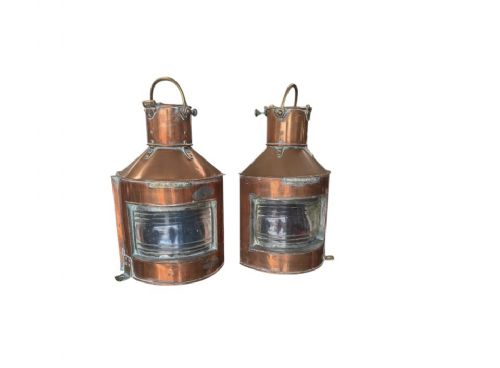
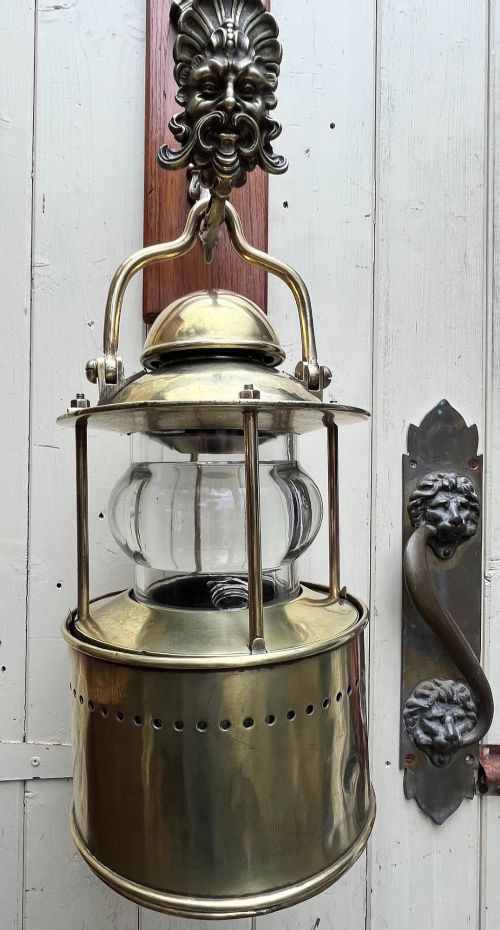


Brass Nautical Lamp
These brass nautical lamps bring authentic maritime history into the home, offering both rugged utility and enduring character.
Brass Nautical Lamp
A brass nautical lamp represents the robust engineering once required for life at sea, taking forms such as gimbal lamps, table lamps, and heavy ship lanterns. When searching for a brass nautical lamp, buyers encounter pieces engineered to remain stable during heavy rolling and pitching.
The pieces on this page span several decades and styles, ranging from Victorian and Edwardian examples to early twentieth century designs. Copper and nickel-plated brass versions appear frequently alongside traditional unpolished brass iterations.
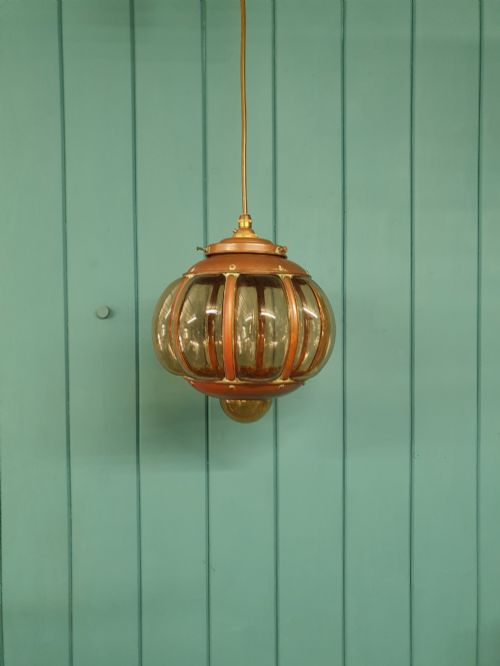
Object types include wall lanterns, pendant lights, and table lamps, often sourced directly from vessels or railway carriages. These items carry the utilitarian aesthetic of maritime navigation into modern domestic spaces.
How they were made
Construction relies heavily on durable metals like brass, copper, and nickel-plated brass designed to withstand harsh marine environments. Heavy glass, smoked glass, and sometimes fabric shades complete the structural assembly of lanterns and lights.
Makers utilised pivoting gimbal mechanisms to ensure the flame or bulb remained upright regardless of the vessel's movement. Riveted and soldered joints provided the waterproof integrity required for exterior deck placement.
Brass Nautical Lamp Retail Price Guide 2026
Typical asking prices for brass nautical lamp among the pieces listed under this phrase on Sellingantiques today, from the lower quarter to the upper quarter. They describe what is for sale here now, not the wider market.
Listings feature brass, copper, nickel, and smoked glass across table lamps, pendant lights, and ship lanterns dating from the Victorian era to the mid-twentieth century.
What varies in quality
Quality rests in the heaviness of the casting, the precision of the gimbal movement, and the original manufacturer's mark. Pieces produced by established maritime outfitters display superior thickness in the metal plates and more robust mounting brackets.
Surface patination and the preservation of original plating, whether nickel or copper, distinguish everyday utility items from finer surviving examples. The integrity of the original glass components and the crispness of maker stampings further define the upper tier.
Alderson and Gyde Ltd·William McGeoch and Co
The Brass Nautical Lamp Glossary
- Gimbal
- A pivoted support ring that allows a lamp to remain level regardless of the motion of a ship or train. This mechanical arrangement prevented lanterns from tipping over during heavy seas.
- Port and Starboard
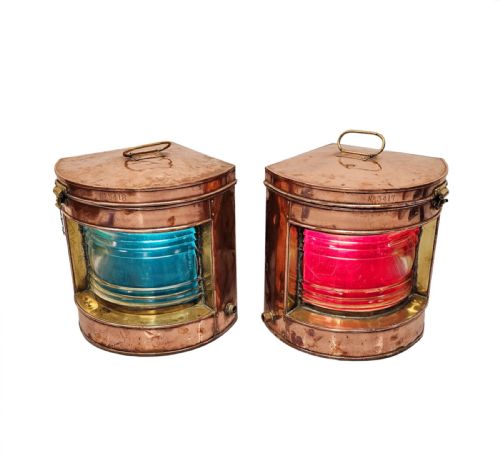
- The nautical terms for the left and right sides of a vessel, traditionally indicated by red and green lenses in navigation lanterns. These designations ensure correct orientation at sea.
- Pendant Light
- A hanging light fixture suspended from the ceiling by a chain, cord, or metal rod. In maritime contexts, these provided illumination over chart tables and main cabins.
- Patina
- The natural surface change and oxidation that develops on metals like brass and copper over time. Collectors value this aged skin as evidence of genuine age and exposure to the elements.
- Smoked Glass
- Darkened or translucent glass used to diffuse intense light sources and reduce glare in confined ship interiors. It adds a distinct tonal quality to pendant and lantern lights.
Brass Nautical Lamp: Frequently Asked Questions
How do ship gimbal lamps work?
Gimbal lamps use a system of concentric rings and pivot points that counteract the rolling motion of a vessel. This gravity-defying balance kept the flame or electric bulb upright and steady in rough weather.
Such engineering made them essential for safe navigation below deck and in narrow passageways where swinging oil lamps posed a fire hazard.
What is the difference between port and starboard lamps?
Port lamps signify the left side of a vessel and traditionally feature red glass lenses, while starboard lamps designate the right side with green lenses. These colour codes allowed sailors to determine the heading of other ships in the dark.
Today, surviving pairs of port and starboard lanterns are often sought after for symmetrical interior placement.
Can these antique lamps be wired for modern homes?
Most antique lanterns and gimbal lights can be adapted for modern electrical wiring with the guidance of a professional restorer. Many retain sufficient internal space to house modern bulb fittings without altering the exterior brass or copper housing.
Preserving the original switches, mounts, and heavy brass bodies ensures the historical character remains intact during conversion.
How should I clean a brass nautical lamp?
Cleaning should be approached gently to preserve the natural aged patina that collectors value on maritime pieces. Dusting with a dry cloth or applying a light coat of wax is usually sufficient to protect the metal from further oxidation.
Harsh metal polishes should be avoided because they strip away historical surface character and diminish the visual depth of the brass.