



Brass Music Cabinet
A brass music cabinet is a dedicated piece for organising scores, combining timber carcases with metal mounts and racks.
Brass Music Cabinet
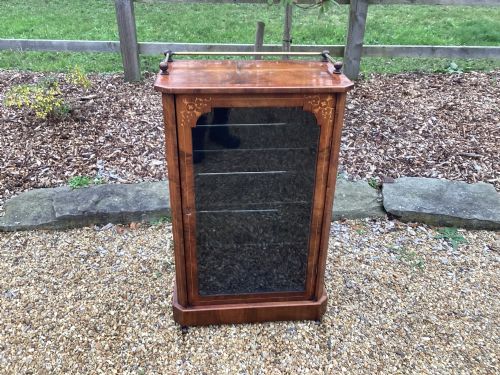
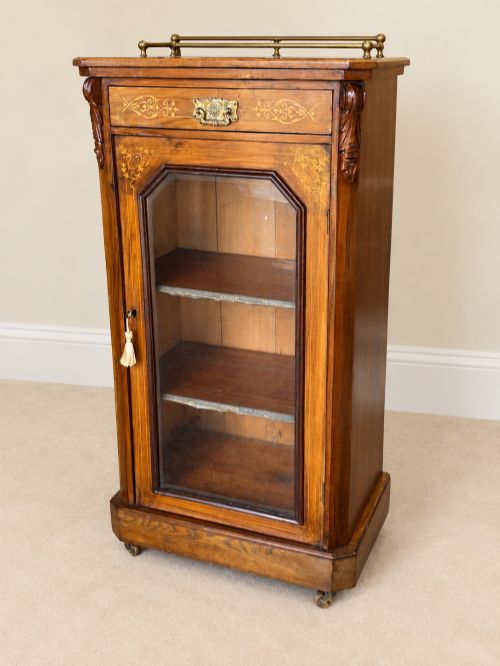
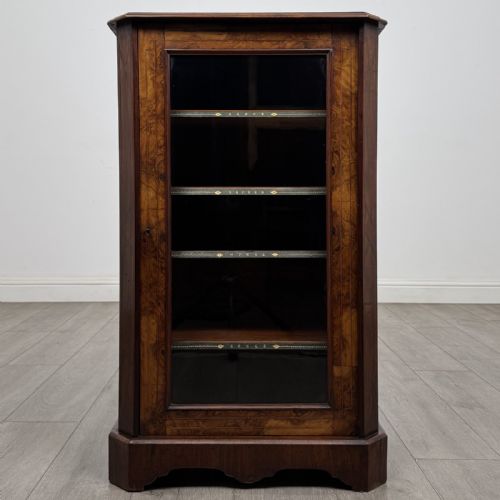
A brass music cabinet provides dedicated storage for sheet music and folios, typically standing upright with internal shelves, drops-down compartments, or vertical divisions. When searching for a brass music cabinet, buyers encounter forms ranging from Edwardian oak filing units to Victorian walnut cabinets and mahogany canterburys.
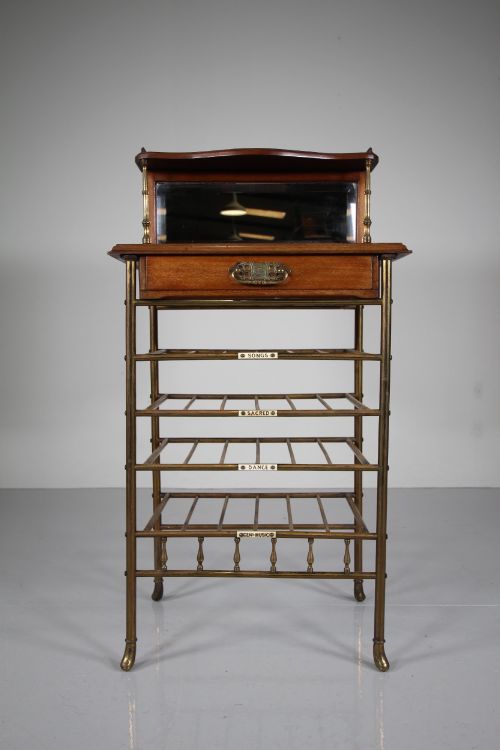
The pieces appearing on this page span the Victorian and Edwardian eras, alongside Regency examples, and encompass related types such as display cabinets, pier cabinets, and what-nots. Walnut, mahogany, and rosewood form the primary carcases, whilst brass provides handles, hinges, gallery rails, and internal dividers.
Most examples date from the nineteenth and early twentieth centuries, reflecting the domestic centrality of the piano and parlour music during those periods. Buyers find specific variants like the Aesthetic Movement musician's cabinet alongside standard sheet music storage units.
Assessing quality
The standard of timber selection and veneer matching defines the upper tier of these pieces, particularly in burr walnut and figured mahogany examples where grain patterns are carefully aligned. Superior execution shows in the precision of inlaid details, tight joinery, and the robust integration of brass mounts and hardware.
Design complexity and maker attribution elevate certain pieces, such as those bearing marks from known workshops like Henry Ogden and Son. Simpler utilitarian filing pieces contrast with elaborate display cabinets featuring glass doors and decorative ebonising.
Brass Music Cabinet Retail Price Guide 2026
Typical asking prices for brass music cabinet among the pieces listed under this phrase on Sellingantiques today, from the lower quarter to the upper quarter. They describe what is for sale here now, not the wider market.
Listings feature walnut, mahogany, rosewood, and oak carcases paired with brass hardware across Victorian and Edwardian periods.
Henry Ogden & Son
The Brass Music Cabinet Glossary
- Canterbury
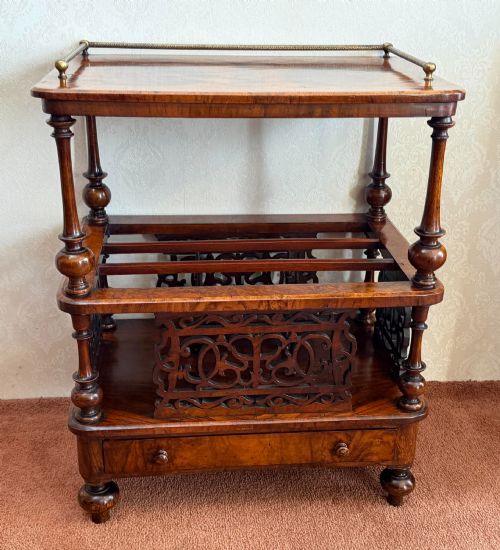
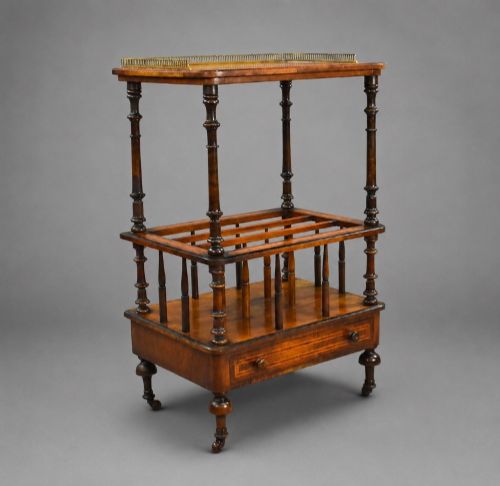
- A low stand featuring vertical divisions, originally designed for sheet music or newspapers. It typically includes a single drawer below and rests on castors.
- Pier cabinet
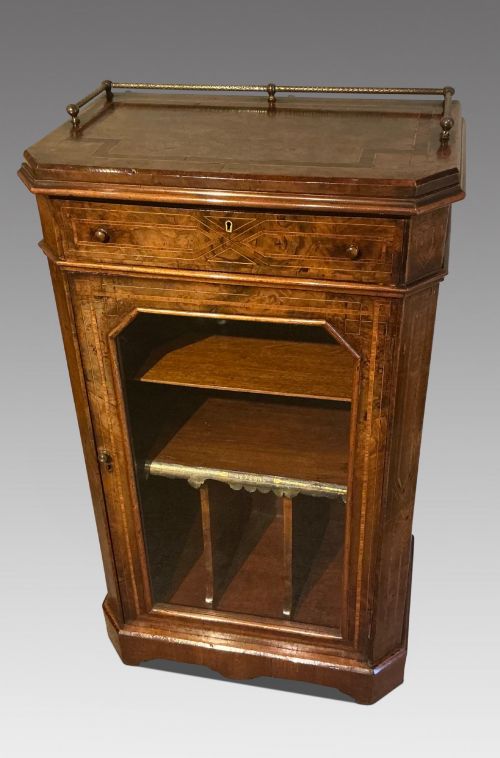
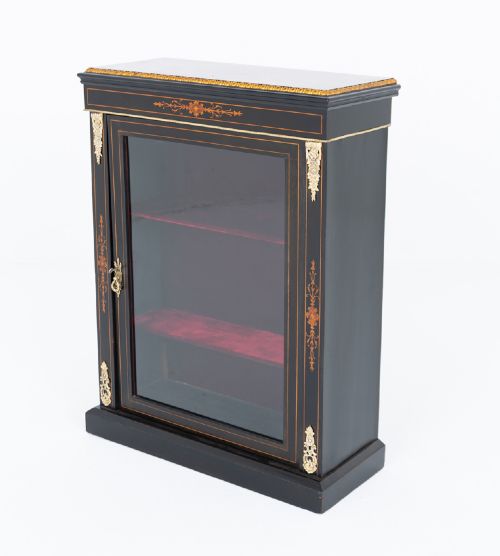
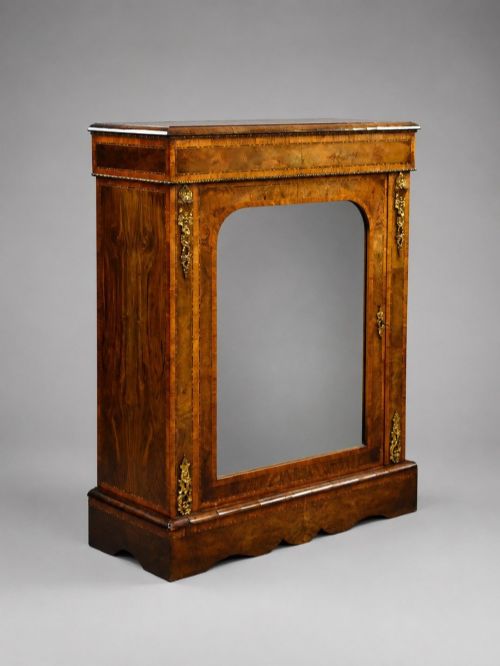
- A slender cabinet built to stand against the narrow wall space between windows. These pieces often feature glazed doors and brass trim.
- Aesthetic Movement
- A late nineteenth-century design style emphasising visual beauty over narrative content. Pieces from this movement often incorporate ebonised finishes and distinct brass hardware.
- What-not
- An open set of tiered shelves used for display. They frequently incorporate brass supports and are sometimes combined with cabinet storage below.
- Escutcheon
- A protective plate surrounding a keyhole. On these cabinets, they are commonly cast from brass to match other metal fittings.
Brass Music Cabinet: Frequently Asked Questions
What is a brass music cabinet?
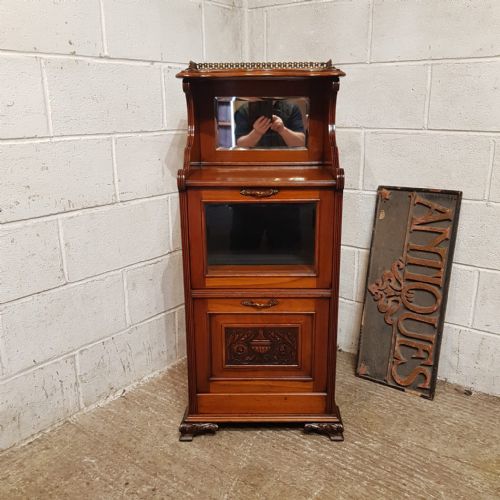
A brass music cabinet is a piece of nineteenth or early twentieth-century furniture designed to store sheet music and scores. They incorporate timber bodies with brass handles, hinges, or internal division rails.
These cabinets vary from upright shelved units to drop-front music writers and low canterburys. The brass elements serve both a utilitarian purpose and decorative function.
How were music cabinets used?
Victorian and Edwardian households placed these cabinets in drawing rooms and parlours near pianos to keep sheet music organised and clean. The vertical divisions or internal shelves kept large paper folios flat and accessible.
Today, buyers utilise them for storing modern sheet music, art folios, or as bedside and side tables in living spaces.
How do I date a music cabinet?
Dating relies on timber choices, construction methods, and stylistic movements evident in the piece. Regency pieces feature clean architectural lines, whilst Victorian examples often display rich burr walnut and heavier ornamentation.
Edwardian pieces tend to show lighter oak construction or simplified Arts and Crafts influences. Secondary woods inside drawers provide further clues to the manufacturing decade.
What is the difference between a music cabinet and a canterbury?
A music cabinet is typically an enclosed piece with a door or drawers protecting the interior shelves from dust. A canterbury is an open stand featuring vertical slatted divisions designed for immediate access to current scores.
Canterburys often sit lower to the ground on castors and include a small base drawer, whereas cabinets stand taller as part of the room's case furniture.